
Pruning
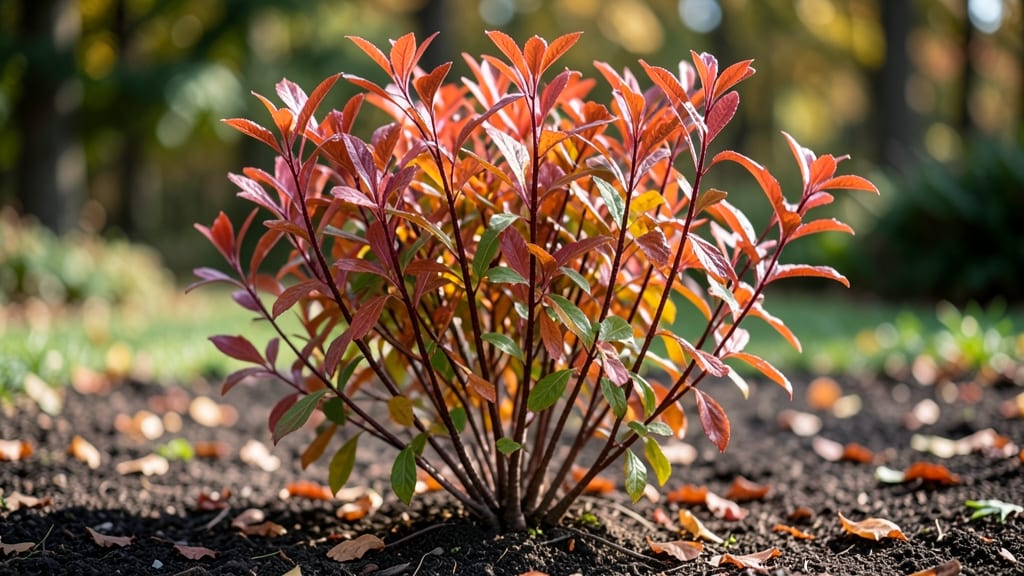
Your burning bush height could reach 12-15 feet tall if left unpruned—but that’s not the look you want. ✂️ I’ve trimmed mine every spring for 6+ years, keeping it at a manageable 6-8 feet while maximizing those fiery fall colors.
The secret isn’t just when you prune; it’s how—cutting at the right time and in the right way transforms this shrub from a wild hedge into a showstopper.
Sunlight and soil play a huge role in height. Burning bushes in full sun grow taller and denser, while those in shade stay shorter but may lose their signature color. Amending clay-heavy soil with compost keeps roots healthy, which directly impacts growth.
I’ve seen neglected bushes hit 20 feet in poor soil—so don’t skip the prep work if you want control.
With the right pruning, you’ll end up with a compact, bushy plant that blooms brighter and lasts longer. The key is timing: prune right after spring blooms fade (around May-June), and avoid heavy cuts in late summer.
You’ll notice new growth within 4-6 weeks, and those vibrant red stems will turn heads all fall.
Works for hedges, focal points, or even container plantings if you keep it small. The same principles apply whether you’re shaping a single bush or a row. Here’s how to get it right without sacrificing that dramatic color payoff.
📚 In This Guide
- What you need
- Instructions
- Tips and common mistakes
- Wrapping up and next steps
What you need
- ● Pruning shears: Bypass shears (sharp, clean, and sterilized to prevent disease) – 1 pair
- ● Loppers: For thicker branches (1–2 inches in diameter) – 1 pair
- ● Pruning saw: For stubborn, thick branches (2+ inches) – 1
- ● Gloves: Heavy-duty, cut-resistant (to protect from thorns and sharp edges) – 1 pair
- ● Disinfectant: 70% isopropyl alcohol or a pruning sealant (to clean tools between cuts) – small bottle
- ○ Extension pole: Optional but helpful for taller bushes (4–6 feet) – 1
- ● Marking twine or flags: To tag branches for removal (if needed) – small roll
- ● Wheelbarrow or trash bags: For debris removal – 1–2
- ● Hand pruners with a bypass blade: For precision trimming of smaller stems
- ● Safety glasses: To protect from debris (especially when using a saw)
- ● Knee pads: For comfort if you’re working on the ground
- ● Garden hose or spray bottle: To rinse tools and clean sap off branches
- ● Pruning paint or sealant: To cover large cuts (prevents disease entry)
Instructions: pruning your burning bush for perfect year-round height
Here's how to shape your shrub into a stunning, vibrant focal point without sacrificing its signature fall color.
✂️ Step 1: Time Your Pruning for Maximum Impact
Prune your burning bush right after flowering—typically in late spring or early summer—when the vibrant red foliage has faded. This timing ensures you don’t cut off next year’s flowers, which appear on old wood. Wait until new growth has hardened off (about 2-3 weeks after blooms drop) so the plant can recover quickly.
If you missed the spring window, you can do a light shaping in early fall, but avoid heavy pruning then—it stimulates tender growth that won’t survive winter. The key is to prune after the plant has finished its main display so it can focus energy on next year’s foliage.
✂️ Step 2: Shape for Height and Structure
Start by removing any dead, diseased, or crossing branches at the base. Use clean, sharp pruners to make cuts just above a leaf node or outward-facing bud. For height control, target branches that are growing too tall or leggy—cut them back by one-third to one-half their length to encourage bushier growth.
Step back frequently to visualize the shape. Burning bushes naturally grow in a rounded form, so aim for a slightly wider base that tapers gently toward the top. Avoid cutting into old wood (grayish-brown stems)—new growth comes from the current year’s green branches. You’ll know you’re pruning correctly when you see multiple buds along the remaining stems.
✂️ Step 3: Thin Out for Airflow and Light
Focus on thinning the center of the bush to improve airflow and prevent fungal diseases. Remove branches that grow inward or rub against each other—these create weak spots and block light from reaching the interior. Start at the bottom and work your way up, cutting back branches that are more than 3 inches thick at the base.
For height control, prioritize branches that are growing straight up. Cut these back to a side branch or bud that points outward. You’ll see the plant respond within a few weeks with fuller, more compact growth and brighter fall foliage. Never remove more than one-third of the plant’s total volume in a single pruning session.
☀️ Step 4: Maintain Height Through the Seasons
After your initial pruning, do a light cleanup in late winter or early spring to remove any dead or damaged branches. Avoid heavy pruning in winter—burning bushes are dormant and more vulnerable to stress. Instead, focus on shaping as new growth emerges in spring, which will guide the plant’s height and form for the year.
For year-round height management, trim any errant shoots that grow taller than your desired height by one-quarter inch above a leaf node. This encourages branching and keeps the bush compact. Water deeply after pruning to help the plant recover, especially if you’ve done significant shaping. You’ll notice faster regrowth and denser foliage within 4-6 weeks.
⏰ Step 5: Watch for Regrowth and Adjust
Monitor your burning bush over the next 6-8 weeks for new growth. If some areas look sparse, lightly prune again in early summer to encourage filling in. Avoid pruning in fall—it stimulates tender growth that won’t survive winter cold. The goal is to balance height with fullness, so don’t be afraid to make gradual adjustments over time.
By late summer, you’ll see the results of your pruning: a bush that’s properly proportioned, with vibrant fall color and a neat, controlled height. The key is patience—burning bushes respond best to gradual shaping rather than drastic cuts. With consistent care, your shrub will become a showstopper in every season.
Tips & tricks for perfect burning bush pruning
These simple strategies will help you shape your burning bush like a pro—without sacrificing that stunning fall color.
Timing is Everything: The 2-3 week wait after flowering is critical—this ensures new growth has hardened off enough to handle pruning. I learned this the hard way after seeing a bush struggle to recover from early pruning. Look for leaves that feel firm when gently squeezed, not soft or rubbery. This timing also prevents cutting off next year's flower buds, which develop on old wood.
Visualize Your Shape First: Before making any cuts, step back and study your bush from all angles. Burning bushes naturally grow in a rounded form, so aim for a slightly wider base that gently tapers upward. Use a string or garden hose as a guide if needed—wrap it around the bush to visualize the perfect shape before you start cutting. This prevents those awkward, uneven silhouettes that happen when we prune by feel.
Prune for Airflow, Not Just Height: The most common mistake I see is focusing only on height control while ignoring the center of the bush. Thin out inward-growing branches to improve airflow, which prevents fungal diseases and encourages denser growth. Start at the bottom and work upward—this creates a natural, layered look while keeping the center open. You'll notice the foliage stays healthier and the fall colors pop more vibrantly when light can reach all parts of the plant.
Gradual Adjustments Work Best: Never remove more than one-third of the plant's volume in a single session, as the instructions specify. I recommend spreading pruning over two sessions if needed—do half now and save the rest for early summer. This gradual approach lets the bush recover better and prevents shock. You'll see the most dramatic improvement when you combine this with the one-quarter inch trim for errant shoots mentioned in Step 4.
Pro Tips for Burning Bush Height
- These simple strategies will help you shape your burning bush like a pro—without sacrificing that stunning fall color.
- Timing is Everything: The 2-3 week wait after flowering is critical—this ensures new growth has hardened off enough to handle pruning.
- Visualize Your Shape First: Before making any cuts, step back and study your bush from all angles.
Frequently asked questions
Got questions about managing your burning bush height and keeping it vibrant? Here are some of the most common queries—plus straightforward answers to help you prune with confidence!
How tall can a burning bush grow if left unpruned?
A mature, unpruned Euonymus alatus (burning bush) typically reaches 10 to 15 feet tall and 8 to 12 feet wide. Without regular pruning, it can become leggy, lose its dense foliage, and develop a less dramatic appearance. Pruning keeps it compact and encourages vibrant fall color.
When is the best time to prune burning bush for height control?
Prune your burning bush right after flowering (late spring to early summer) to avoid cutting off next year’s blooms. For height reduction, focus on removing 1/3 of the tallest stems at the base. Avoid heavy pruning in fall or winter, as it may stress the plant before dormancy.
Can I prune a burning bush in winter for height control?
While you can prune in late winter (just before buds swell), it’s not ideal for height control. Winter pruning can expose the plant to cold damage and may reduce spring growth. If you must prune then, keep cuts minimal and avoid removing more than 20% of the plant’s height at once.
What’s the best way to prune a burning bush to keep it shorter without sacrificing fall color?
To maintain height and vibrant fall foliage:
- Use sharp, clean pruners to make cuts just above a leaf node or bud.
- Remove older, taller stems first to encourage new growth from the base.
- Avoid topping (cutting the very top off), as this can lead to weak, sparse growth.
- Space pruning over 2-3 years to gradually reduce height without shock.
My burning bush isn’t recovering well after pruning—what went wrong?
If your plant looks stressed after pruning, you might have:
- Pruned too late (after mid-summer) or too aggressively (cutting back more than 1/3 of the plant at once).
- Used dull or dirty tools, causing jagged cuts that invite disease.
- Left stubs instead of clean cuts, which slows healing.
Wrapping up and next steps
Mastering the burning bush height through strategic pruning unlocks a stunning year-round display of fiery foliage and vibrant blooms. Whether you’re shaping it for height, density, or seasonal drama, the key is consistency, patience, and a sharp eye for balance.
With the right tools and techniques, your burning bush can become the showstopper of your landscape—without sacrificing its health or vigor!
Ready to transform your garden? Start small: pick one bush to practice your new pruning skills, and watch as your confidence—and your garden’s curb appeal—flourishes! 🌿✨