
Container Gardens
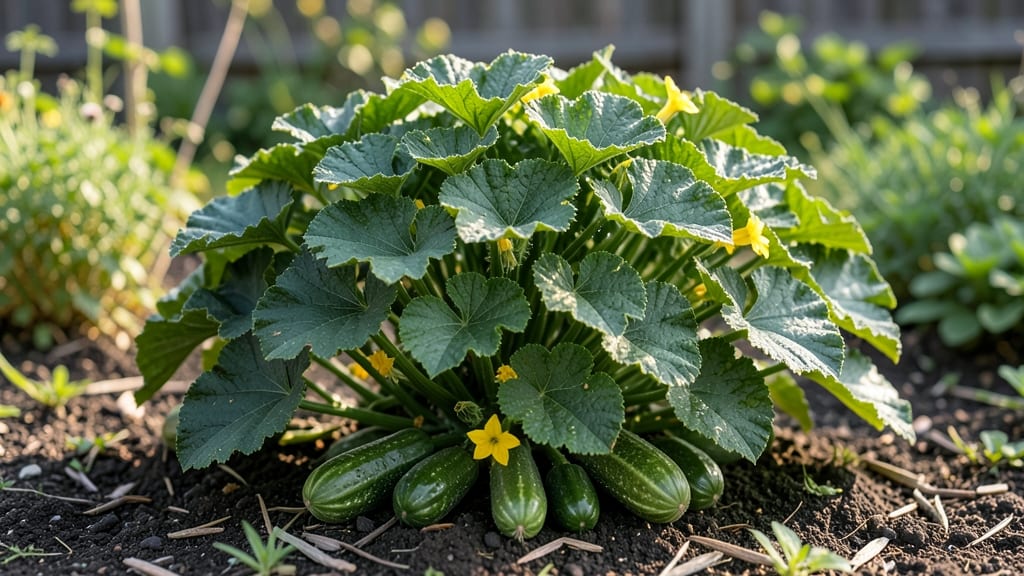
Bush cucumbers in pots solve the age-old problem of small spaces and big dreams. 🌱 I've grown these compact varieties for years, and they produce the same crisp, sweet cucumbers as their vine-loving cousins—just without the sprawl.
The secret lies in choosing the right pot, soil, and variety, plus a few tricks to keep them thriving in limited real estate. You'll need a 5-gallon container minimum (7+ gallons for extra productivity), well-draining potting mix, and a spot with 6-8 hours of sun daily.
Varieties like 'Bush Champion' or 'Spacemaster' stay under 3 feet tall, making them perfect for patios, balconies, or even sunny windowsills. The key is preventing root bound—too small a pot means stunted growth and fewer cucumbers.
By mid-summer, you'll be harvesting 10-15 cucumbers per plant every few days, with plants that stay tidy and manageable. The flavor? Just as sweet as garden-grown, with none of the vine maintenance. Plus, you avoid common issues like powdery mildew that plague crowded vines.
This method works for urban dwellers, small yards, or anyone tired of cucumber vines taking over their garden. Here's how to set up your first container—no sprawl, all harvest.
📚 In This Guide
- What you need
- Instructions
- Tips and common mistakes
- Wrapping up and next steps
What you need
- ● Bush cucumber seeds or seedlings: Choose compact varieties like 'Bush Champion,' 'Spacemaster,' or 'Salad Bush.' Quantity: 1–2 plants per 5-gallon pot (or 3–4 plants per 10–15 gallon pot).
- ● Containers: Pots with drainage holes, minimum size: 5 gallons per plant (bigger is better for productivity!). Materials: plastic, fabric grow bags, or ceramic.
- ● Potting mix: Well-draining, nutrient-rich soil blend. Recommendation: 60% potting soil + 30% compost + 10% perlite or vermiculite (for aeration). Quantity: Enough to fill pots to 2–3 inches from the rim.
- ● Slow-release fertilizer: Balanced 10-10-10 or organic options like worm castings or compost tea. Quantity: 1–2 tbsp per pot at planting.
- ○ Support structure: Optional but helpful! Use small cages, trellises, or stakes (3–4 ft tall) to encourage upward growth and improve air circulation.
- ● Hand trowel or small shovel: For planting and transplanting.
- ● Watering can or hose with gentle spray nozzle: Cucumbers need consistent moisture—avoid soggy soil!
- ● Pruning shears: To trim yellow leaves or encourage bushier growth.
- ○ Mulch (optional): Straw or shredded leaves to retain moisture and suppress weeds.
- ○ Liquid fertilizer (optional): Diluted fish emulsion or seaweed extract for mid-season boosts.
Step-by-step instructions for growing bush cucumbers in pots
Here's my foolproof method for container cucumbers that thrive without sprawling chaos.
🪴 Step 1: Select the Right Containers and Drainage
Bush cucumbers need at least 5-gallon containers to accommodate their root systems without becoming root-bound. I recommend fabric grow bags or plastic pots with drainage holes—both allow roots to breathe while preventing waterlogging. If using traditional pots, ensure they have 4+ drainage holes at the bottom to prevent soggy roots.
Place a 2-inch layer of gravel or broken pottery in the bottom before adding soil. This creates an air pocket that prevents the roots from sitting in stagnant water. For 4 plants, you'll need 4 containers—each with 5+ gallons capacity. I always use saucers under the pots to catch excess water and prevent messes on patios or decks.
🌱 Step 2: Prepare Soil and Plant Seeds or Transplants
Fill each container with a mix of 60% potting soil, 30% compost, and 10% perlite for optimal drainage and aeration. Bush cucumbers thrive in well-draining soil that retains moisture but never stays soggy. I like to add a handful of worm castings to each pot for extra nutrients and microbial activity.
If starting from seed, plant 2-3 seeds per pot at a depth of 1 inch, spacing them 1 inch apart. Thin to the strongest seedling once they develop 2 true leaves. For transplants, place one plant per pot, ensuring the root ball is fully covered with soil but the stem remains above ground. Water gently after planting to settle the soil around the roots.
☀️ Step 3: Position for Maximum Sun and Support
Bush cucumbers require full sun (6-8 hours daily) to produce abundant fruit. Place pots in a south-facing location or under grow lights if indoors. If your space gets afternoon shade, choose a compact bush variety like 'Bush Champion' or 'Spacemaster'—they tolerate partial shade better than vining types.
Install a small trellis or tomato cage in each pot to support the plants as they grow. Even bush varieties benefit from light support to prevent sprawling and improve air circulation. Water deeply 2-3 times per week, ensuring the soil stays consistently moist but not waterlogged. You'll know moisture is right when the top inch of soil feels damp to the touch.
💧 Step 4: Fertilize and Monitor for Pests
Feed plants with a balanced liquid fertilizer (10-10-10) every 2-3 weeks once they start flowering. I switch to a low-nitrogen, high-phosphorus fertilizer (5-10-10) when fruits begin to form to encourage strong yields. Avoid over-fertilizing—too much nitrogen leads to leafy growth at the expense of fruit production.
Watch for common pests like aphids or cucumber beetles. I use a neem oil spray weekly as a preventive measure. If you notice yellowing leaves or holes in the foliage, act quickly—pests can quickly defoliate container plants. Prune any yellow or diseased leaves immediately to keep the plant healthy and productive.
✂️ Step 5: Harvest and Maintain Through the Season
Harvest cucumbers when they reach 6-8 inches long for best flavor and texture. Use pruning shears to cut the fruit from the vine, leaving a small stem attached. This encourages the plant to produce more fruit. I harvest every 2-3 days during peak production to keep the plant focused on fruiting rather than seed development.
Continue watering consistently and fertilizing lightly throughout the season. If the plant slows down in late summer, give it a final boost with compost tea to extend the harvest. By following these steps, you'll enjoy a bountiful harvest of crisp, homegrown cucumbers—all without the sprawling mess of traditional vining varieties.
Tips & tricks for perfect bush cucumber containers
These practical insights will help you maximize your compact harvest while avoiding common container-growing pitfalls.
Container Capacity Matters: The 5-gallon minimum isn't just a suggestion—it's non-negotiable for bush cucumbers. I've seen plants struggle in 3-gallon pots, producing tiny, bitter fruit. If you're working with limited space, opt for the compact 'Bush Champion' variety which adapts better to smaller containers while still delivering a respectable yield. The extra gallon per plant makes all the difference in root development and fruit size.
Soil Mix Secrets: That 60-30-10 ratio of potting soil, compost, and perlite creates the perfect balance, but here's what nobody tells you: pre-moisten your soil mix before filling the containers. Dry soil compacts when watered, leaving air pockets that roots can't penetrate. I like to mix in a cup of water with my soil components before filling, then let it sit for 10 minutes to distribute evenly. This ensures your plants get off to the right start with optimal moisture distribution.
Sunlight Strategy: The 6-8 hours of full sun requirement can be tricky in shaded patios. If your space only gets morning sun, position your pots where they'll catch the most intense rays. South-facing windowsills or balconies are ideal. For indoor growers, supplement with LED grow lights positioned 6-12 inches above the plants for 12-14 hours daily. I've found that bush varieties tolerate lower light better than vining types, but they still need that quality sunlight to produce sweet, flavorful fruit.
Watering Wisdom: Those 2-3 times per week waterings should be deep—aim for about 1 inch of water per session. The key is consistency: let the top inch of soil dry out between waterings, but never let the soil become bone dry. I use a moisture meter to check soil moisture, especially during hot spells. Overwatering is just as damaging as underwatering—container plants are particularly susceptible to root rot when their roots sit in soggy conditions for extended periods.
Pro Tips for Bush Cucumbers In Pots
- These practical insights will help you maximize your compact harvest while avoiding common container-growing pitfalls.
- Container Capacity Matters: The 5-gallon minimum isn't just a suggestion—it's non-negotiable for bush cucumbers.
- Soil Mix Secrets: That 60-30-10 ratio of potting soil, compost, and perlite creates the perfect balance, but here's what nobody tells you: pre-moisten your soil mix before filling the containers.
Frequently asked questions
Got questions about growing bush cucumbers in pots?
You’re not alone! Here are answers to the most common concerns—from setup to harvest—so you can grow confidently without guesswork.
What’s the best pot size for bush cucumbers?
For bush varieties, aim for at least 12–15 inches deep and 12 inches wide per plant. Larger pots (18"+) give roots more room to thrive, reducing stress. If growing multiple plants, space pots 12–18 inches apart for airflow and sunlight access. Pro tip: Add a 5-gallon bucket with drainage holes for a foolproof, space-saving option!
How long does it take for bush cucumbers to produce fruit?
With ideal conditions (warm soil, full sun, and consistent water), bush cucumbers typically start flowering in 4–6 weeks and produce fruit 6–8 weeks after planting. Early varieties like ‘Bush Champion’ can bear in as little as 50 days. Watch for: Yellowing leaves (overwatering) or wilted vines (underwatering) to keep harvests on track!
Why are my bush cucumbers wilting even with regular watering?
Wilting in pots often signals root stress from overcrowding, poor drainage, or inconsistent moisture. Check for:
- Drainage holes clogged with soil (flush with water).
- Overpotting—too much soil can suffocate roots.
- Underwatering—stick your finger 2 inches deep; water if dry.
- Heat stress—move pots to partial shade if temps exceed 90°F.
Can I grow bush cucumbers alongside other veggies in pots?
Yes! Bush cucumbers pair well with companion plants like:
- Radishes (they’re fast and shallow-rooted).
- Bush beans (nitrogen-fixing friends!).
- Dill or parsley (repels pests naturally).
What if my bush cucumbers bolt before fruiting?
Bolting (premature flowering) happens when plants sense heat or drought stress. To prevent it:
- Start seeds indoors 3–4 weeks before last frost for a gradual transition.
- Use self-watering pots or a drip system to keep soil evenly moist.
- Choose heat-tolerant varieties like ‘Straight Eight’ or ‘Diva.’
Wrapping up and next steps
Growing bush cucumbers in pots is a fantastic way to enjoy fresh, homegrown produce without the space or hassle of a sprawling garden. With the right container, soil, and care, you’ll reap a bountiful harvest in a compact, manageable setup—perfect for balconies, patios, or small yards! 🌱
Now that you’re armed with tips and tricks, it’s time to roll up your sleeves and get planting. Start small, experiment with varieties, and watch your green thumb shine. Happy gardening—and bon appétit! 😊