
Pruning
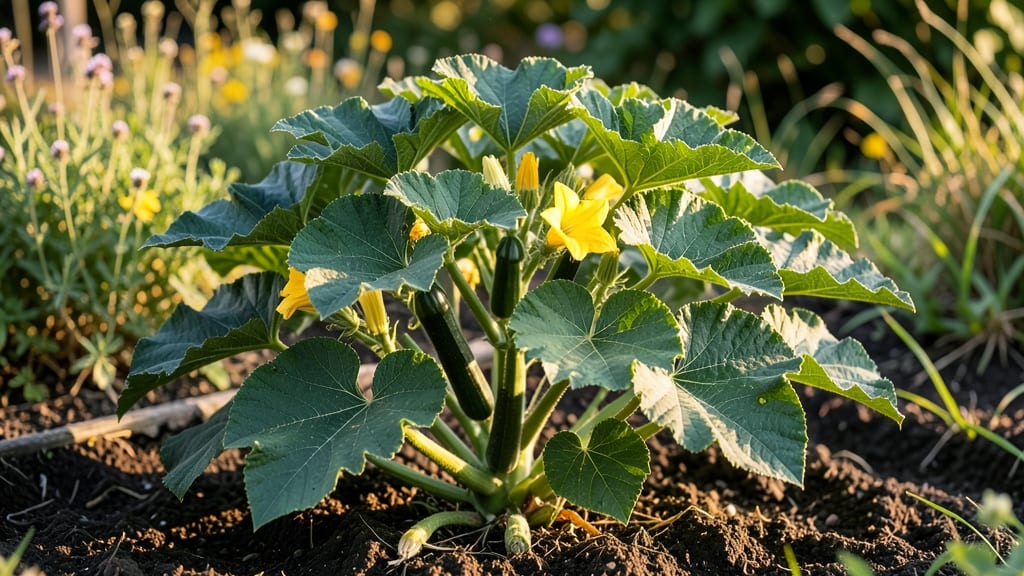
Growing bush type zucchini means year-round harvests without the sprawling vines. 🌱 I’ve grown both types for years, and these compact plants are the secret weapon for small spaces—producing just as much (or more) in a fraction of the room. The key difference?
Bush varieties stay tidy at 3-4 feet tall, while vining types stretch 6+ feet and need trellises. You’ll need well-draining soil rich in compost, 3-4 feet of spacing between plants, and full sun (6+ hours daily).
Water deeply at the base (not overhead) to prevent mildew, and mulch to keep roots cool. My first harvest came in just 45 days—earlier than I expected! The payoff? Heavy yields with minimal fuss—imagine 10-12 zucchinis per plant, all within arm’s reach.
Prune only to improve airflow, and harvest every 2-3 days to keep production going. Even my black thumb can’t kill these. Works in containers (5-gallon pots), raised beds, or in-ground plots. Here’s how to get started without the vine-tangle chaos.
📚 In This Guide
- What you need
- Instructions
- Tips and common mistakes
- Wrapping up and next steps
What you need
- ● Bush-type zucchini seeds (e.g., 'Eight Ball,' 'Patio Star,' or 'Bush Baby') – 5-10 seeds per plant (or 1-2 plants per pot if container-growing).
- ● Well-draining potting mix – 5-10 gallons per plant (or a raised bed with loose, fertile soil).
- ● Containers or garden space – 12-18" diameter pots (for containers) or full sun (6+ hours/day) in a garden bed.
- ● Compost or organic fertilizer – Balanced 10-10-10 or veggie-specific blend (follow package rates).
- ● Watering can or hose with a gentle nozzle – Consistent moisture is key!
- ● Pruning shears or sharp scissors – For trimming and shaping (sterilize with rubbing alcohol between cuts).
- ● Mulch (straw or shredded leaves) – Retains moisture and suppresses weeds.
- ○ Plant supports (optional for vining varieties) – Trellis or cage if your zucchini starts to sprawl.
- ● Garden gloves – For easy handling (and protection from prickly stems!).
- ● pH test kit – Ideal soil pH: 6.0–7.0 (zucchini loves slightly acidic to neutral soil).
- ● Row covers or shade cloth – For early planting or pest protection.
Step-by-step instructions for growing bush type zucchini
Here’s how I grow compact, high-yielding zucchini plants that produce all season without sprawling chaos.
🌱 Step 1: Select the Right Location and Prepare Soil
Bush-type zucchini thrive in full sun—at least 6-8 hours daily—and need well-draining soil with a pH of 6.0-6.8. I always test my garden soil first; if it’s heavy clay, I amend it with 2-3 inches of compost mixed into the top 12 inches of soil. This improves drainage and gives roots room to spread without getting waterlogged.
Choose a spot with space for 4 plants (since they’re compact but still need airflow). Avoid planting where summer squash or cucumbers grew last year to prevent disease buildup. If your soil is sandy, add a 5-10-10 fertilizer at planting time to give roots a nutrient boost right away.
🌱 Step 2: Plant Seeds or Transplants at the Right Time
Start seeds indoors 4-6 weeks before your last frost date if your growing season is short, or sow directly into the garden after soil reaches 60°F. I like to plant 2-3 seeds per hill, spaced 2-3 inches apart, and cover them with 1 inch of soil. Bush types don’t need deep planting—they’ll root quickly and stay compact.
If using transplants, harden them off for 7-10 days before moving outside. Plant them 1 inch deeper than their container to encourage stronger root growth. Space hills 3-4 feet apart—this gives plants room to thrive without overcrowding, which leads to disease.
☀️ Step 3: Water Deeply and Consistently
Bush zucchini need 1-2 inches of water per week, but I water deeply 2-3 times weekly instead of daily shallow watering. This encourages roots to grow downward for stability and drought resistance. Water at the base of the plant in the morning to reduce fungal risks from evening moisture.
You’ll know you’re doing it right when the top 2 inches of soil feel dry before your next watering. Mulch with 2-3 inches of straw or shredded leaves to retain moisture and keep soil temperatures steady. Avoid wetting the leaves—this prevents powdery mildew, a common issue with zucchini.
✂️ Step 4: Prune and Harvest for Continuous Production
Bush types don’t need heavy pruning, but I remove yellowed or diseased leaves immediately to keep air circulating. Pinch off the first few flowers if your plant is small—this redirects energy to foliage growth. Once established, harvest zucchini when they’re 6-8 inches long for the best flavor and to encourage more production.
Here’s the thing—if you let zucchini grow past 8 inches, the plant thinks it’s done and stops producing. I check my plants every 2-3 days during peak season and harvest with a sharp knife or pruners to avoid damaging the stem. This keeps the plant focused on making more fruit instead of maturing old ones.
🌿 Step 5: Fertilize and Maintain for Long-Term Growth
Feed plants with a balanced 10-10-10 fertilizer every 4-6 weeks during the growing season. I switch to a low-nitrogen, high-phosphorus fertilizer (like 5-10-10) when flowers appear to boost fruit production. Avoid high-nitrogen feeds—this makes plants grow leaves instead of zucchini.
Watch for pests like cucumber beetles or squash bugs—I handpick them early in the morning when they’re sluggish. If you see holes in leaves or wilting, act fast. Bush types are tough but still need protection. A row cover can help in early season if pests are bad in your area.
Tips & tricks for perfect bush type zucchini growth
Common pitfalls—and how to sidestep every one when growing compact, high-yielding zucchini plants.
Soil Prep Secret: If your soil tests below pH 6.0, don't just add lime—mix in 2-3 inches of compost first, then retest. The organic matter buffers pH naturally while improving drainage. I've seen plants struggle in amended clay soil where the pH was corrected but drainage remained poor.
Seed Starting Strategy: For direct sowing, wait until soil reaches 60°F at 4-inch depth—not just surface temperature. Use a soil thermometer for accuracy. I've had seeds rot in cooler soil even when surface temps looked right, so this check saves time and frustration.
Watering Wisdom: The 2-3 inches of mulch isn't just for moisture—it regulates soil temperature. In hot climates, it keeps roots cool; in cool climates, it adds warmth. I've seen zucchini bolt prematurely in spring when soil temps fluctuated without mulch protection.
Harvest Timing: Those 6-8 inch zucchini are sweetest when harvested in the morning after dew has dried. The plant's natural sugars peak then, and you'll avoid the tough skin that develops later in the day. I harvest every 2-3 days during peak season—this keeps production going all summer.
Pro Tips for Bush Type Zucchini
- Common pitfalls—and how to sidestep every one when growing compact, high-yielding zucchini plants.
- Soil Prep Secret: If your soil tests below pH 6.0, don't just add lime—mix in 2-3 inches of compost first, then retest.
- Seed Starting Strategy: For direct sowing, wait until soil reaches 60°F at 4-inch depth—not just surface temperature.
Frequently asked questions
Got questions about growing bush-type zucchini? You’re not alone! Here are some of the most common queries—and their answers—to help you master this compact, high-yielding variety.
How do bush-type zucchini plants differ from vining varieties?
Bush-type zucchini grow much shorter (3–4 feet tall) and don’t require trellising or sprawling space, making them perfect for containers or small gardens. They also produce fruit faster and often yield slightly smaller, sweeter zucchini compared to sprawling vining types.
When is the best time to harvest bush-type zucchini?
Harvest when zucchini are 6–8 inches long and still firm to the touch—this ensures tender, flavorful fruit. Check plants every 2–3 days, as they can grow rapidly! Use a sharp knife or pruners to avoid damaging the plant.
Can I grow bush-type zucchini in containers? If so, what size pot do I need?
Bush zucchini thrive in 5-gallon containers or larger (at least 12–18 inches deep). Ensure pots have drainage holes and use a high-quality potting mix. Just plant one per container for optimal growth and yield.
What are common pests or diseases for bush-type zucchini, and how do I prevent them?
Watch for cucumber beetles, squash bugs, and powdery mildew. Use row covers early in the season, practice crop rotation, and water at the base (not leaves) to deter pests. Neem oil or insecticidal soap can help if issues arise.
Do bush-type zucchini need pruning? If so, how?
Unlike vining types, bush zucchini rarely need pruning—but you can lightly trim yellowing leaves or overcrowded stems to improve airflow. Focus on removing suckers (small shoots at the base) if they appear, but avoid heavy pruning to preserve energy for fruit production.
Wrapping up and next steps
Growing bush-type zucchini is a game-changer for gardeners with limited space—it delivers abundant harvests without the sprawl! 🌱 With the right pruning techniques, you’ll enjoy year-round yields while keeping your plants healthy and compact.
Whether you’re a beginner or a seasoned gardener, these hacks make it simple to maximize your garden’s potential.
Ready to level up your garden game? Start by selecting the perfect variety, then dive into pruning and maintenance—your future zucchini feasts are just a few snips away! 🍆✨