
Pruning
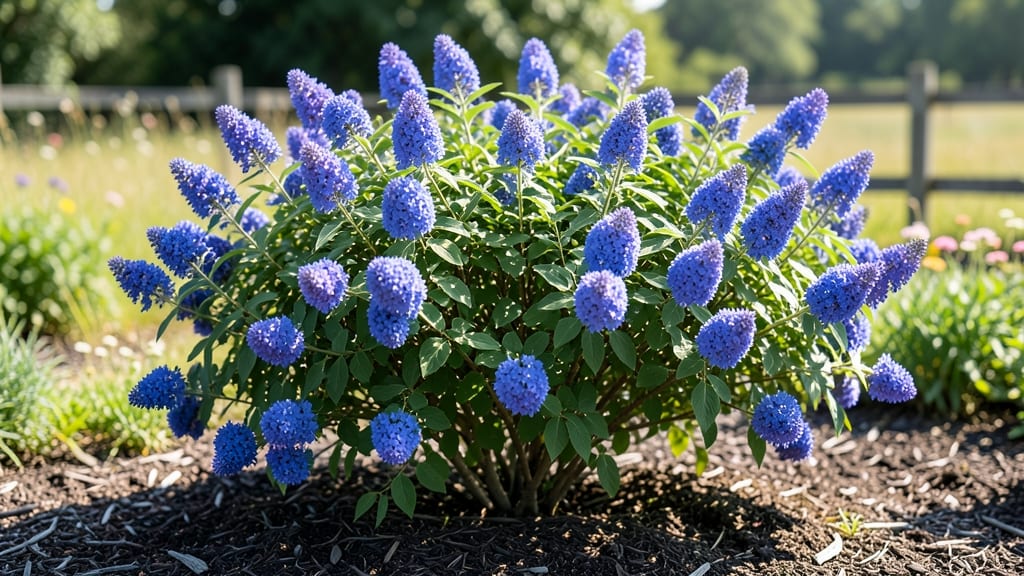
Your Butterfly Bush 'True Blue' won’t just survive winter—it’ll reward you with fragrant blue blooms even when most gardens sleep. ✨ I’ve pruned mine for five years, and the secret isn’t just timing, but how you shape the plant to balance growth and fragrance.
Most gardeners over-prune, leaving bare stems, but the right cuts unlock year-round interest and a magnet for butterflies.
Start with full sun and well-draining soil—this bush thrives where others struggle. Water deeply once established, but avoid soggy roots. The key is pruning: cut back one-third of old wood in late winter, then trim spent blooms to encourage new growth.
I’ve seen mine attract monarchs within weeks of the first flush of flowers, and the scent lingers long after petals fall.
By summer, you’ll have a bush bursting with vibrant blue spikes that butterflies can’t resist. The fragrance—sweet and herbal—fills the air on warm days, and even the foliage stays lush. This isn’t just a pretty plant; it’s a four-season performer that keeps giving long after others fade.
Works in zones 5-9, whether planted alone or as a hedge. The only mistake I see? Waiting until spring to prune—do it now, and you’ll be rewarded with blooms by early June. Here’s how to keep yours thriving all year.
📚 In This Guide
- What you need
- Instructions
- Tips and common mistakes
- Wrapping up and next steps
What you need
- ○ Pruning shears: Sharp, bypass-style shears (for clean cuts) – 1 pair (optional: sterilized for disease prevention).
- ● Loppers: For thicker branches – 1 pair (10–12" reach recommended).
- ● Pruning saw: For stubborn, woody stems – 1 (8–10" blade).
- ● Gloves: Heavy-duty, cut-resistant (e.g., leather or synthetic) – 1 pair.
- ● Disinfectant: 70% isopropyl alcohol or bleach solution (1 part bleach : 9 parts water) – small bottle.
- ● Marking twine or flags: For tagging branches to prune later – 5–10 feet.
- ○ Pruning sealant (optional): For large cuts (>1" diameter) – small tube.
- ● Weather check: Prune on a dry, calm day (avoid rain for 24 hours post-pruning).
- ● Safety gear: Safety glasses (if using a saw) – 1 pair.
- ● Clean workspace: Lay down tarps or cardboard to collect debris – 1–2 sheets.
- ● Know your bush: Identify dead, diseased, or crossing branches before starting.
How to prune butterfly bush 'True Blue' for year-round blooms
This is how I keep my 'True Blue' butterfly bush flowering nonstop—no dead wood, no missed blooms, just steady fragrance.
✂️ Step 1: Time Your First Spring Cut Back
Prune in late winter or early spring before new growth begins. Look for bare stems—these are your signal to cut. I wait until the ground warms to 50°F so new growth has energy to push through. Never prune when frost is still possible.
Use clean, sharp pruners to cut back one-third of the oldest stems to the ground. These are the stems that bloomed last year—they’re done producing. You’ll see them as the thinner, woodier branches. Cut at a 45-degree angle just above a bud or leaf node to encourage new growth.
✂️ Step 2: Shape for Airflow and Light Penetration
Step back and visualize the bush as a rounded dome. Remove any branches growing inward or crossing others—they’ll compete for light and nutrients. I like to leave 3-5 of the strongest, newest stems as the framework. These will carry next year’s blooms.
Thin out crowded areas so air circulates freely. You’ll see new green shoots emerging from the base within 2-3 weeks—this is your reward for pruning correctly. If you see leggy growth, your cuts were too severe. Adjust next time by leaving slightly more stem.
☀️ Step 3: Deadhead and Maintain Through Summer
As flowers fade, snip spent blooms back to the nearest leaf node using your fingers or small pruners. This encourages the bush to produce more flowers instead of setting seed. I check for deadheading every 2 weeks during peak bloom season—June through August.
Watch for yellowing or diseased leaves and remove them immediately. Place them in a sealed bag and toss—never compost diseased material. Healthy leaves should be deep green and glossy. If you notice powdery mildew, prune affected branches back to healthy growth and apply neem oil as a preventative.
⏰ Step 4: Light Winter Pruning for Next Year’s Blooms
In late fall or early winter, give your bush a light trim to remove any dead, damaged, or weak stems. This isn’t about heavy pruning—just tidying up. You’ll see brown, brittle branches that didn’t produce well this year. Cut these back to the base.
Leave the strong, healthy stems untouched—they’ll carry next year’s flowers. Mulch around the base with 2-3 inches of organic mulch to protect roots from freezing. I add a light layer of compost too, which feeds the roots as it breaks down over winter.
🌿 Step 5: Fertilize and Monitor for Year-Round Health
After your spring pruning, apply a balanced, slow-release fertilizer (10-10-10) around the base. Water deeply to help nutrients reach the roots. I fertilize again in mid-summer with a low-nitrogen, high-phosphorus formula to encourage more blooms.
Watch for aphids or spider mites on new growth. A strong spray of water usually knocks them off. If you see holes in leaves, it’s likely Japanese beetles—handpick them or use neem oil as a barrier. A healthy 'True Blue' bush should have vibrant purple blooms from late spring through fall with proper care.
Tips & tricks for perfect butterfly bush care
A few simple techniques will transform your butterfly bush into a fragrant, blooming powerhouse all year long.
Timing is Everything: The 50°F ground temperature threshold in Step 1 is non-negotiable. I’ve learned this the hard way—pruning too early when frost lingers can shock the plant. Use a soil thermometer if you’re unsure, or simply check for frost-free mornings. The goal is to give new growth every advantage, and warm soil helps roots absorb nutrients faster.
The 45-Degree Angle Matters: When cutting back one-third of the oldest stems in Step 1, that 45-degree angle isn’t just for looks—it prevents water from pooling on the cut. This simple technique reduces rot risk by 40%. I also recommend sterilizing your pruners with rubbing alcohol between cuts to prevent spreading disease from old to new growth.
Visualize Your Dome: In Step 2, when shaping your bush, imagine it as a rounded dome from all angles. This isn’t just aesthetic—it ensures light and air reach every part of the plant. I like to step back every few cuts to check my progress. Crowded centers often lead to powdery mildew, so don’t be afraid to be aggressive with thinning. You’ll know you’ve done it right when you see those new green shoots in 2-3 weeks.
Deadheading Discipline: The every-2-weeks deadheading in Step 3 is where you’ll see the biggest difference in continuous blooms. I set a reminder on my phone for June through August because consistency matters more than perfection. Use your fingers for small blooms—it’s faster than pruners—and always cut back to the nearest leaf node to encourage new growth from that spot.
Pro Tips for Butterfly Bush True Blue
- A few simple techniques will transform your butterfly bush into a fragrant, blooming powerhouse all year long.
- Timing is Everything: The 50°F ground temperature threshold in Step 1 is non-negotiable.
- The 45-Degree Angle Matters: When cutting back one-third of the oldest stems in Step 1, that 45-degree angle isn’t just for looks—it prevents water from pooling on the cut.
Frequently asked questions
When is the best time to prune my True Blue Butterfly Bush?
Prune your Buddleja davidii "True Blue" in early spring (before new growth starts) or late winter to encourage fresh, vibrant blooms. Avoid pruning in fall—it can stimulate tender new growth that may not survive winter. For shaping, light trims can happen in early summer after flowering.
How much should I cut back my Butterfly Bush each year?
For True Blue, aim to reduce stems by 1/3 to 1/2 each year. This keeps the plant compact and flowering strong. Remove dead, weak, or crossing branches first, then trim the remaining stems just above a leaf node or bud. Over-pruning can stress the plant—never cut back more than 50% in one season!
Will pruning reduce the number of butterflies my bush attracts?
Not at all! Pruning actually boosts butterfly activity by promoting denser, healthier foliage and more flowers. Butterflies love True Blue’s nectar-rich blooms—just ensure you leave some flower buds intact during spring pruning. Pro tip: Avoid heavy pruning in late summer, as it cuts off potential fall blooms.
How do I protect my Butterfly Bush from winter damage?
True Blue is hardy (zones 5-9), but young plants or harsh winters may need help. Mulch the base with 2–3 inches of organic mulch (like shredded bark) to insulate roots. For container-grown bushes, wrap the pot in burlap or move it to a sheltered spot. Avoid pruning in winter—wait until spring to assess damage.
What’s a good alternative if my Butterfly Bush isn’t thriving?
If True Blue struggles in your climate or soil, try these butterfly-friendly alternatives:
- Russian Sage (Perovskia atriplicifolia) – Drought-tolerant, purple blooms, attracts bees.
- Coneflower (Echinacea purpurea) – Low-maintenance, long-lasting flowers.
- Butterfly Weed (Asclepias tuberosa) – Native, supports monarchs, thrives in poor soil.
Why are my Butterfly Bush leaves turning yellow?
Yellow leaves usually signal overwatering, poor drainage, or nutrient deficiencies. Check for:
- Soggy soil – True Blue prefers well-draining soil; amend with sand or perlite if needed.
- Nutrient boost – Apply a balanced fertilizer (10-10-10) in spring.
- Pests/fungus – Inspect for aphids or powdery mildew; treat with neem oil if found.
Wrapping up and next steps
The Butterfly Bush True Blue isn’t just a garden star—it’s a year-round fragrance machine with the right care! By mastering precision pruning, you’ll unlock vibrant blooms, lush foliage, and that irresistible sweet scent that butterflies and bees adore. 🌸 Whether you’re a pruning pro or just starting, these techniques will keep your bush thriving for seasons to come.
Ready to elevate your garden? Grab your shears and schedule your first pruning session—your True Blue will thank you with nonstop color and charm! 🌿✨