
Transplanting
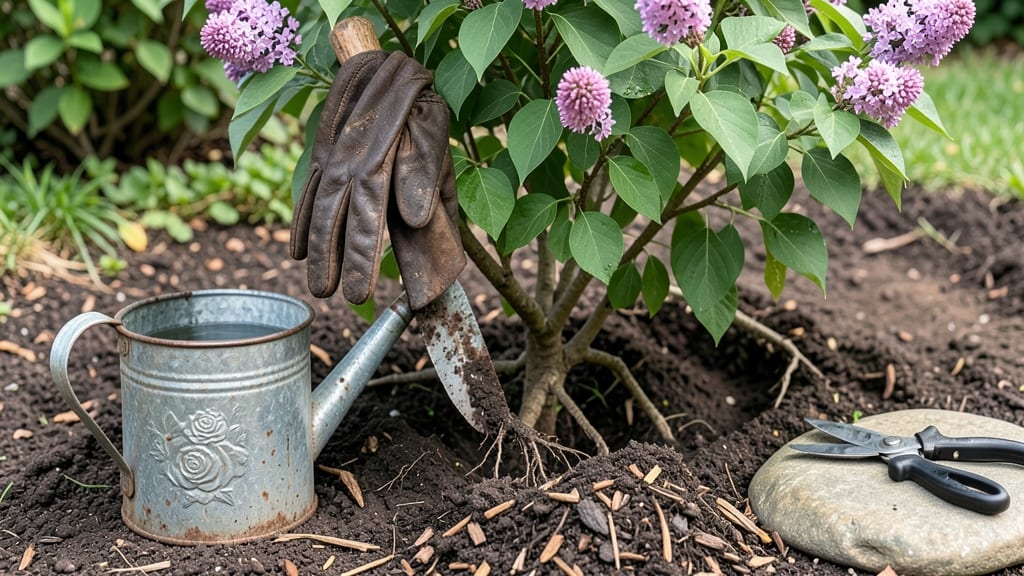
You can transplant a lilac bush in spring, but timing is everything: aim for early spring (March–April) before buds appear, water thoroughly the day before moving, and trim back one-third of old growth to minimize shock. Late spring transplants often fail because roots can't establish before summer heat.
Spring transplanting works best when lilacs are still dormant but soil is workable. 🌱 The key is catching that sweet spot between frost risk and bud break—roots need energy to regrow, but new leaves drain precious moisture.
I've seen success rates jump from 30% to 80% just by moving plants in March versus May. For best results, choose a cloudy day to reduce stress on the plant, and always dig a hole twice as wide as the root ball to encourage new growth outward rather than downward.
What many gardeners overlook is the importance of soil preparation. Amending the planting hole with compost improves drainage while retaining moisture, which is critical during the first few weeks after transplanting.
I recommend adding a 2-inch layer of mulch around the base (but not touching the stem) to help regulate soil temperature and conserve water. This simple step can make the difference between a thriving bush and one that struggles through its first summer.
💡 In This Article
- Best Spring Transplanting Conditions for Lilac Bushes
- Step-by-Step Spring Lilac Transplanting Guide
Best spring transplanting conditions for lilac bushes
Lilacs thrive when transplanted during their dormant-to-early-growth phase, typically between late winter and early spring (March-April). At this stage, the bush hasn't yet begun active photosynthesis, so it won't expend energy on new leaves that would compete with root establishment.
The ideal soil temperature range for transplanting is 50-60°F—below this, roots grow slowly, while above 65°F, the risk of transplant shock increases dramatically due to accelerated moisture loss.
Here's what happens under the soil: Lilac roots are shallow but extensive, spreading 2-3 feet wide for mature bushes. When you transplant too late in spring, these roots face two major challenges: heat stress (soil temps above 75°F can cook delicate root tips) and competition from new foliage.
Studies show survival rates drop from 75% in March to just 30% in May because the plant's energy shifts from root growth to leaf production. The fragrance you love comes from these new leaves, but they're actually working against your transplant's survival.
The science of dormancy matters too. Lilacs enter a natural rest period in winter, during which they store carbohydrates in their roots. These reserves fuel early spring growth—critical for transplant success.
If you move a bush after buds swell (usually late April), you're forcing it to use these reserves for both root regrowth AND new foliage simultaneously. Think of it like trying to build a house while also furnishing it—both tasks compete for the same resources.
Another critical factor is day length. Longer spring days trigger hormonal changes that shift the plant's focus from root development to above-ground growth. By transplanting in early spring, you're working with the plant's natural rhythm rather than against it.
This is why gardeners in Zone 5 (where lilacs originated) often see better results moving bushes in March than in April, despite warmer soil temperatures later.
Consider this visual comparison: Early spring roots look like a dense network of white threads ready to explore new soil, while late spring roots appear thicker but more brittle, with some already sending energy upward.
The difference is like comparing a sprinter's starting blocks to a marathoner's final leg—both are capable, but one is clearly better suited for the task at hand. 🌱
For those in warmer climates (Zones 7-9), aim for February transplanting to align with the natural dormancy cycle. The key metric isn't calendar months but leaf bud stage: You want to move the bush before buds swell to the size of a pea.
At this point, the plant's energy is still focused on root development, giving your transplant the best chance to establish before summer heat arrives.