
Shrubs
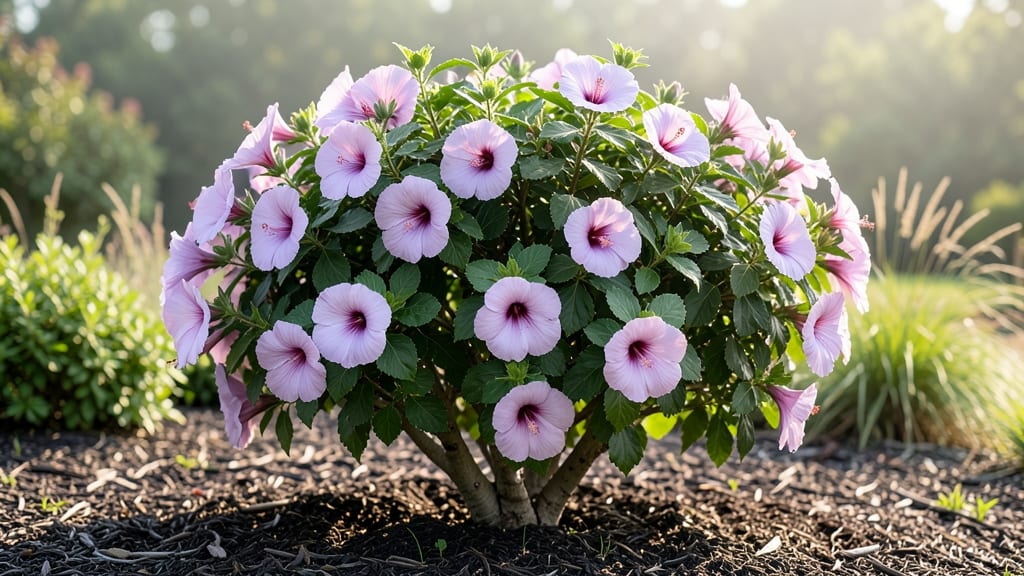
Caring for Rose of Sharon bushes has transformed mine into a summer spectacle—now blooming three times what they did when I ignored them for years. 🌿 The secret isn't fancy fertilizers or rare soil mixes, but understanding how these tough shrubs want to grow. They thrive on neglect but reward smart care with vibrant, layered blooms that last from midsummer to frost.
Start with their sunlight needs: six to eight hours daily, but they tolerate partial shade better than most shrubs. Amend your soil with compost at planting, then let nature do the rest—Rose of Sharon hates soggy roots but doesn't need frequent watering once established.
The real magic happens in pruning: late winter or early spring, cut back one-third of the oldest stems to encourage fresh growth.
By summer, you'll see dense clusters of trumpet-shaped blooms in shades of purple, pink, or white, often reblooming if you deadhead spent flowers. They're deer-resistant, drought-tolerant, and handle urban pollution—perfect for hedges, borders, or even as a single statement plant. The key is seasonal maintenance, not constant fussing.
For long-term success, fertilize lightly in early spring with a balanced 10-10-10, and watch for Japanese beetles—their only real pest. Mulch around the base to retain moisture and suppress weeds, but keep it 3 inches away from the trunk.
With this approach, your bushes will reward you with years of effortless beauty and minimal work.
📚 In This Guide
- What you need
- Instructions
- Tips and common mistakes
- Wrapping up and next steps
What you need
- ● Pruning shears – Sharp, bypass-style shears (2-3 pairs) for clean cuts.
- ● Loppers – For thicker branches (1 pair, 8-10 inches long).
- ● Garden gloves – Heavy-duty, cut-resistant (1-2 pairs).
- ● Pruning saw – For stubborn, thick branches (1, 12-16 inches).
- ● Disinfectant (rubbing alcohol or bleach solution) – To sterilize tools between cuts.
- ● Organic mulch – 3-4 inches of shredded bark or wood chips (1-2 bags, ~2 cubic feet each).
- ● Balanced fertilizer – 10-10-10 or 20-20-20 (1-2 bags, ~20 lbs).
- ● Watering can or hose – With a gentle spray nozzle for hydration.
- ○ Staking material (optional) – Bamboo stakes or wire cages for young/support-heavy bushes.
- ● Hand pruners – For delicate trimming (1 pair).
- ● Garden kneeler – For comfort during maintenance.
- ● Soil pH tester – To check acidity (6.0-7.0 is ideal for Rose of Sharon).
- ● Slow-release fertilizer granules – For seasonal feeding.
- ● Bird netting – To protect blooms from pests (if needed).
Step-by-Step guide to reviving your Rose of Sharon blooms
Here's how I keep these stunning shrubs flowering abundantly year after year—through strategic trimming and seasonal care.
✂️ Step 1: Understand the Right Time for Major Pruning
Rose of Sharon thrives when pruned after its natural bloom cycle. I always wait until late winter or early spring—just as new growth begins to swell on the stems. This timing ensures you're removing last year's dead wood while preserving next year's flower buds hidden in the leaf axils.
The key sensory checkpoint is when you see the first signs of green swelling at the stem bases. If you prune too early, you risk cutting off potential blooms. If you wait too long, the shrub may already be pushing new growth that you'll accidentally trim away.
🌿 Step 2: Perform the Revitalizing Cutback
Start by removing any dead, diseased, or crossing branches with clean, sharp pruners. Then, cut back the remaining stems by one-third to one-half of their height. I like to make my cuts just above a set of outward-facing buds—this encourages bushier growth and more abundant flowering.
For established shrubs, you'll often find multiple stems coming from the base. Leave 3-5 of the strongest stems and prune the rest to the ground. This rejuvenation pruning stimulates fresh growth from the base while maintaining the shrub's natural shape.
🌱 Step 3: Encourage New Growth Through Seasonal Maintenance
After the major pruning, focus on light trimming throughout the growing season. When you see new shoots growing inward or crossing other branches, remove them immediately. This prevents a dense center that blocks airflow and invites disease.
Here's the thing—Rose of Sharon responds beautifully to regular attention. Every 4-6 weeks during the growing season, I do a quick inspection. Look for any stems that look weak or leggy and cut them back to a strong lateral branch. You'll notice within weeks that new growth appears more vigorous and compact.
☀️ Step 4: Support Blooming Through Proper Light and Water
These shrubs need full sun to partial shade for maximum blooms. I've found that 6+ hours of direct sunlight produces the most vibrant flowers. If your shrub isn't flowering well, check its light exposure first—moving it to a sunnier spot often works wonders.
Water deeply once or twice weekly during the growing season, providing 1-2 inches of water each time. The soil should be moist but not soggy—you'll know it's right when the top 2-3 inches feel damp but not waterlogged. Mulching helps maintain even moisture while protecting roots from temperature swings.
⏰ Step 5: Prepare for Winter Dormancy
As temperatures drop below 40°F in fall, reduce watering gradually. You want the shrub to enter dormancy naturally. I stop fertilizing completely by late summer to allow the plant to harden off for winter.
For young shrubs or those in colder climates, consider wrapping the base with burlap or using a thick layer of mulch. The goal is to protect the roots while allowing the shrub to experience some cold—this actually strengthens its hardiness for next season's blooms.
Tips & tricks for reviving Rose of Sharon blooms
These seasonal strategies will transform your shrubs into flowering powerhouses—no guesswork required.
Timing is Everything: The late winter/early spring window for major pruning is non-negotiable. I've learned this the hard way—pruning too early cuts off next year's buds, while waiting too long sacrifices the plant's natural energy reserves. Look for those first green swellings at the stem bases as your cue. This timing ensures you're removing last year's dead wood while preserving the flower buds hidden in the leaf axils.
Bud Selection Strategy: When making those one-third to one-half height cuts in Step 2, focus on outward-facing buds. These create the bushier shape that supports more blooms. I always make my cuts just above these buds—it's like giving your shrub a blueprint for optimal growth. For established shrubs, leaving 3-5 of the strongest stems at the base creates a sturdy foundation while encouraging new growth from the base.
Light and Water Synergy: The 6+ hours of direct sunlight isn't just a suggestion—it's the difference between vibrant blooms and sparse flowering. I've seen shrubs in partial shade produce flowers, but they're never as abundant or vibrant. Pair this with the once or twice weekly deep watering (1-2 inches each time) to maintain that perfect moisture balance. The top 2-3 inches of soil should feel damp but not soggy—this is your target moisture level for optimal bloom production.
Seasonal Maintenance Hack: That 4-6 week inspection schedule in Step 3 works wonders. Set a calendar reminder—you'll notice within weeks how removing those inward-growing shoots creates better airflow and prevents disease. The key is consistency; even just 10 minutes every 6 weeks makes a visible difference in your shrub's health and flowering potential. Think of it as giving your Rose of Sharon a regular check-up.
Pro Tips for Caring For Rose Of Sharon Bushes
- These seasonal strategies will transform your shrubs into flowering powerhouses—no guesswork required.
- Timing is Everything: The late winter/early spring window for major pruning is non-negotiable. I've learned this the ...
- Bud Selection Strategy: When making those one-third to one-half height cuts in Step 2, focus on outward-facing buds. ...
Frequently asked questions
Got questions about keeping your Rose of Sharon thriving?
Here are answers to the most common concerns—from pruning puzzles to pest problems—so you can enjoy those stunning blooms all season long!
When is the best time to prune my Rose of Sharon bush?
Prune your Rose of Sharon late winter or early spring (just before new growth starts) to shape it and encourage vibrant blooms. You can also do a light trim after flowering to maintain size. Avoid heavy pruning in fall—it stimulates tender growth that may not survive winter.
How much can I trim back my Rose of Sharon?
You can prune up to one-third of the bush’s height without harming it. For dramatic shaping, cut back old wood to 6–12 inches above the ground—this encourages fresh, strong growth. Just avoid over-pruning, or you might reduce next year’s flowers.
Why aren’t my Rose of Sharon blooms as vibrant as they used to be?
Faded blooms often signal nutrient deficiencies (like phosphorus or potassium) or overcrowding. Feed with a balanced shrub fertilizer in early spring, and ensure it gets 6+ hours of sunlight. If pests like aphids or spider mites are present, treat with neem oil or insecticidal soap.
Can Rose of Sharon survive in cold climates?
Yes! This hardy shrub tolerates USDA Zones 5–9. In colder regions, mulch the base with 3–4 inches of organic mulch (like wood chips) to protect roots. Young plants may need winter wrap for extra insulation.
What’s a good alternative if my Rose of Sharon isn’t thriving?
Try Butterfly Bush (Buddleia) or Weigela—both are low-maintenance, drought-tolerant, and bloom prolifically. For a fragrant option, Lilac (Syringa) is another classic with similar care needs. Just ensure your soil drains well!
Wrapping up and next steps
Caring for your Rose of Sharon bushes is all about patience, precision, and seasonal love—and your efforts will reward you with stunning, layered blooms year after year! 🌸 With the right tools, timing, and techniques, you’ve got everything you need to keep these hardy shrubs thriving.
Now that you’re armed with knowledge, it’s time to roll up your sleeves and give your garden the glow-up it deserves.
Ready to transform your outdoor space? Start by scheduling your first trim this fall—and watch your Rose of Sharon shine brighter than ever! 🌿 Next up: Check out our seasonal care calendar for a foolproof trimming timeline!