
Shrubs
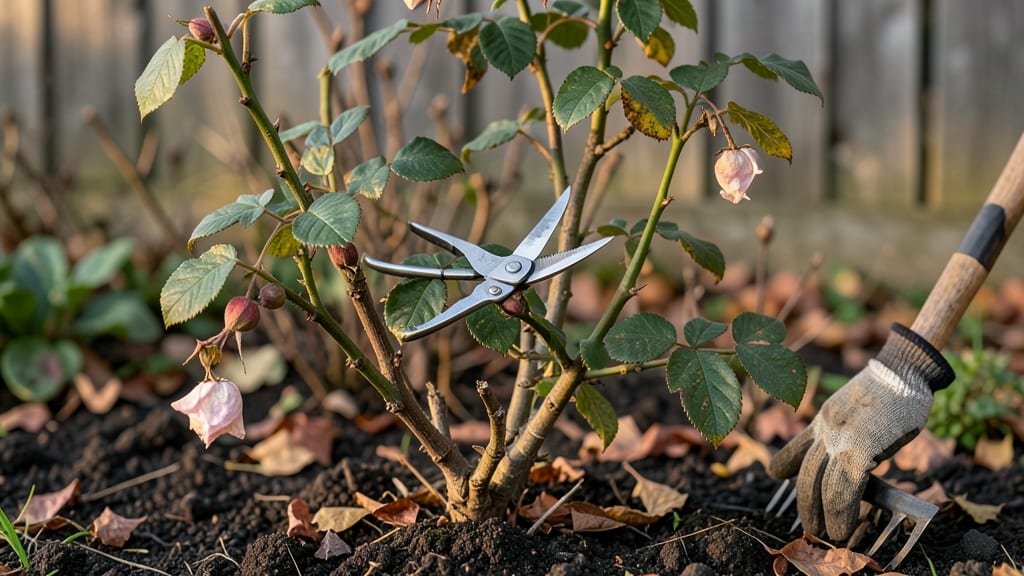
Whether you cut down rose bushes in the fall depends on their type: hardy varieties only need light shaping, while tender climbers or diseased plants should be pruned back significantly. Time your cuts after the first frost but before severe freezes for optimal health.
Fall pruning isn't just about cutting—it's about preparing roses for winter dormancy. 🌿 Hardy roses like Knockouts can handle minimal trimming to remove dead wood, while climbers benefit from partial removal to prevent wind damage.
The key is understanding each variety's cold tolerance; tender roses need more aggressive pruning to survive harsh winters. I always check the USDA hardiness zone for my local roses to determine how much to trim.
For diseased plants, fall is actually the best time to remove infected canes completely. This prevents pathogens from overwintering in the soil and spreading next season. Just be sure to sterilize your pruners between cuts to avoid cross-contamination.
The goal is to create a balanced shape that encourages strong new growth in spring.
💡 In This Article
- When and Why to Prune Roses in Fall vs Spring
- Step-by-Step Fall Rose Pruning Guide by Variety
When and why to prune roses in fall vs spring
Fall pruning serves a completely different purpose than spring pruning. In late fall, after the first frost but before hard freezes, the goal is to prepare roses for winter dormancy by removing dead or diseased wood that could harbor pathogens.
The cold temperatures help sterilize pruning wounds, reducing the risk of infection. Hardy roses (like those in USDA zones 5-9) can handle light shaping to improve airflow and reduce winter damage from snow accumulation.
Spring pruning, by contrast, focuses on shaping the plant for the growing season and removing winter-damaged canes.
The key difference lies in the plant's physiology: roses form flower buds in late summer and fall, so aggressive pruning at this time can remove next year's blooms. Climbing roses, for example, need partial removal to prevent wind damage, while hybrid teas benefit from more precise cuts to encourage strong new growth from the base.
The timing window is critical—waiting too long after the first frost risks exposing fresh cuts to extreme cold, which can damage the plant. Most gardeners aim for mid-to-late October in temperate climates, but this shifts to November in warmer southern zones.
The exact moment depends on your local hardiness zone and whether the roses are deciduous or evergreen.
Diseased roses require special attention in fall. Black spot and powdery mildew spores overwinter on infected canes, so removing them completely prevents next season's outbreaks. Sterilizing pruners with rubbing alcohol between cuts is essential to avoid spreading pathogens.
For tender roses (like some climbers), partial removal helps protect the plant from winter dieback while still allowing some growth to survive.
Here's what's actually happening at the cellular level: When you prune in fall, the plant's growth hormones shift focus from leaf production to root development and energy storage. This prepares the rose for dormancy by building up reserves in the roots.
The first frost triggers this process, but the timing must be precise—too early and you risk stimulating new growth that won't harden off before winter.
Consider these key factors when deciding how much to prune:
- Hardiness Zone: Zones 3-4 need more aggressive pruning than zones 8-9
- Rose Type: Climbers need partial removal; shrubs benefit from shaping
- Health Status: Diseased plants require complete removal of infected canes
- Local Climate: Warmer winters may allow later pruning
The science behind this involves understanding how roses respond to temperature changes. The first frost signals the plant to enter dormancy, but the exact timing varies by variety.
For example, Knockout roses can handle minimal pruning because they're bred for disease resistance and cold tolerance, while old garden roses often need more extensive work to protect their delicate canes. 🌹