
Shrubs
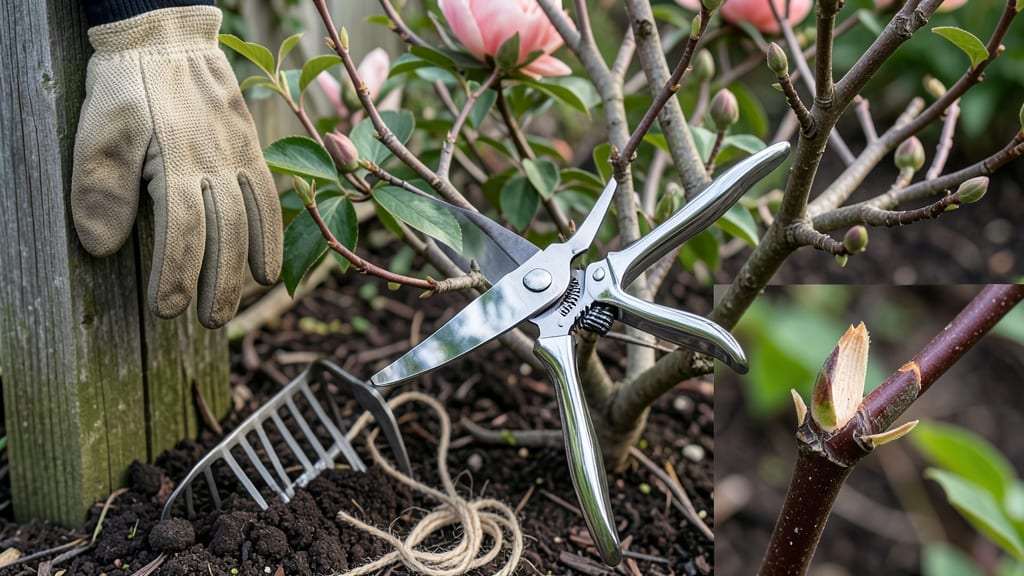
Cut down peony bushes in late fall after the foliage yellows and dies back naturally—typically between October and November in USDA Zone 6.
Peony bushes are prized for their lush blooms, but timing their pruning wrong can weaken growth—or even kill your plants. Cutting at the right moment in late fall isn’t just about tidying up; it’s a strategic move to ensure vibrant, healthy blooms next spring.
If you prune too early, you risk exposing the plant to winter cold, while waiting too long can leave it vulnerable to pests or disease. The key is to act when the leaves have fully browned and the plant has entered dormancy, signaling it’s ready for a fresh start.
Below, I’ll walk you through the exact steps, tools, and regional adjustments to time your cuts perfectly—so your 🌸 peony bushes bounce back stronger than ever by spring.
The best late fall timeline for cutting down peony bushes
Peony bushes thrive when pruned at the right time, and late fall is the perfect window to prepare them for next year's spectacular blooms. Cutting too early can expose the plant to cold damage, while waiting too long may leave it vulnerable to disease and pests.
The ideal moment balances weather conditions and plant signals—and it varies slightly by your climate zone.
In most regions, the best time to cut down peony bushes is after the first hard frost, typically between mid-October and November. This timing allows the plant to enter dormancy naturally while giving you enough time to clean up before winter.
However, if you live in a warmer climate (like USDA Zones 8-10), you might delay pruning until late November or even December.
Here’s the key: wait until the foliage turns yellow or brown and begins to die back naturally. This signals the plant is ready for dormancy. If you prune too early, you risk stimulating new growth that won’t survive the cold—leading to weakened roots and fewer blooms next spring.
🌿
If you’re unsure about your local frost dates, check your USDA Hardiness Zone and plan accordingly. For example, gardeners in Zone 5 should prune by November 1st, while those in Zone 9 can wait until January.
Always prioritize plant dormancy—never prune when the plant is actively growing, even in mild winters.
One common mistake is cutting peony bushes too aggressively in late fall. Instead of shearing everything down, aim to remove only the dead or diseased foliage while leaving the woody stems intact.
This protects the plant’s energy reserves for next year’s blooms. Use clean, sharp pruners to make cuts just above a bud or node—never leave stubs, as they can rot.
After pruning, mulch the base of the plant with 2-3 inches of organic mulch (like shredded leaves or straw) to insulate the roots. This step is especially critical in cold climates, where frozen soil can stress the plant.
Avoid using fresh wood chips, as they can draw moisture away from the roots.
If you miss the late-fall window, don’t panic—you can still prune in early spring (before new growth appears). However, late-fall pruning gives your peonies a head start on recovery and ensures stronger, healthier growth by bloom time.
Just remember: patience is key. Rushing the process can backfire, leaving your peonies struggling to rebound.
🌸
For container-grown peonies, the timing is similar, but you may need to adjust slightly. Since pots can freeze more quickly, bring them indoors or wrap the containers in burlap or frost cloth before pruning.
This extra protection helps maintain stable root temperatures, which is crucial for overwintering success. Always water containers thoroughly before storing them for the winter.
Finally, resist the urge to prune peonies in early fall (August-September). This timing encourages late-season growth that won’t harden off before winter, making the plant more susceptible to freeze damage.
By waiting until after the first frost, you’re aligning with nature’s schedule and giving your peonies the best chance to thrive.
How to prune peony bushes correctly: step-by-step guide
Pruning peony bushes correctly is an art that balances aesthetic appeal with plant health. Unlike many shrubs, peonies bloom on old wood, meaning last year’s growth produces this year’s flowers. Cutting into old wood or at the wrong time can stunt blooms or invite disease.
The key is to prune after the foliage naturally yellows and dies back, typically in late fall or early spring.
Start by gathering your tools: sharp bypass pruners (for clean cuts), sterilized shears (to prevent disease spread), and gloves (to protect your hands from thorns). Avoid using dull tools, as they crush stems and invite rot.
Work on a dry, overcast day to reduce stress on the plant and minimize fungal risks.
Before you begin, inspect your peony bush for dead or diseased branches. These should be removed first, cutting back to healthy green wood. Never leave stubs—always cut just above a bud or node where new growth can emerge. This step ensures your bush stays vigorous and disease-free.
⚠️ callout-warning
Cutting peony bushes before foliage yellows (typically October–November) removes next year’s flower buds, which form on old wood. In USDA Zones 3–5, wait until after the first hard frost when leaves turn brown. In warmer Zones 6–8, prune after leaves die back naturally in late fall.
Exception: If your peony is heavily diseased, remove affected foliage immediately and sterilize tools to prevent spread.
Next, focus on thinning out crowded stems. Peonies naturally produce multiple stems per crown, but overcrowding weakens blooms. Select the healthiest, strongest stems (usually 3–5 per bush) and remove the rest at the base. This improves air circulation and reduces pest risks like botrytis blight.
For overgrown bushes, you can lightly trim back long, leggy stems by up to one-third of their length. Always cut above a bud at a 45-degree angle to encourage water runoff and prevent rot. Avoid heavy pruning—peonies resent aggressive cuts and may produce fewer flowers the following season.
After pruning, clean up debris thoroughly to remove any diseased leaves or stems that could harbor pathogens. Apply a 2–3 inch layer of mulch around the base (but not touching the crown) to insulate roots during winter.
Water deeply if your region hasn’t received recent rainfall, ensuring the soil stays moist but not soggy.
Finally, label your pruned bushes if you have multiple varieties, as peonies can look similar when dormant. This helps you track which stems to preserve next season.
With proper pruning, your peony bush will reward you with larger, more abundant blooms in spring—proof that a little patience pays off handsomely. 🌸