
Planting
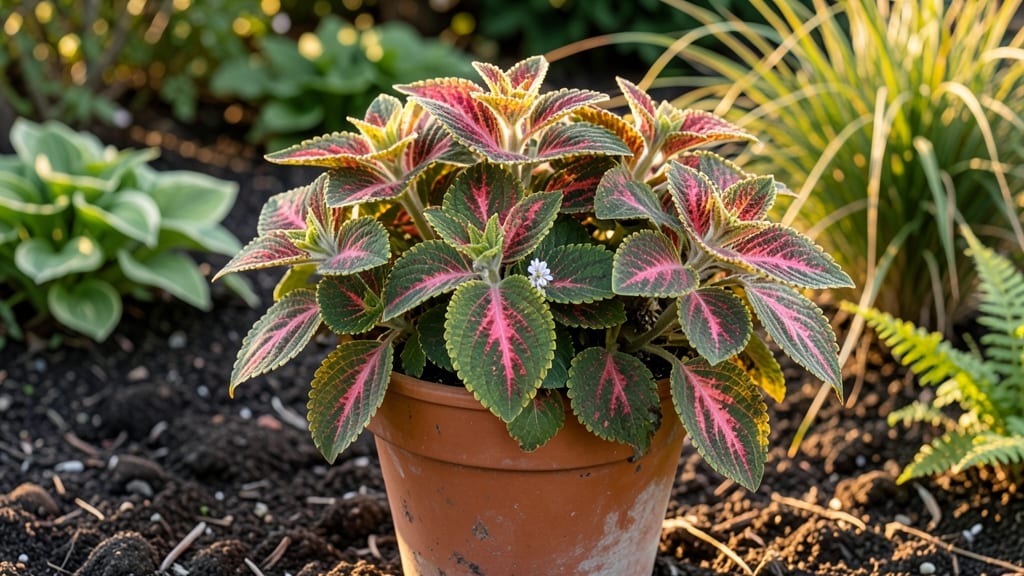
Fast-growing duck bush plants transform bare spots into lush, fragrant screens in just a single season. 🌿 I’ve watched mine climb 6 feet in 90 days, smothering weeds and offering year-round privacy—no fence required. The key? Mimicking its tropical roots with consistent moisture and partial shade.
This plant thrives in average garden soil but rewards you with fragrant foliage that repels pests naturally. Unlike invasive vines, duck bush stays contained (if pruned) and handles humidity better than most shrubs. Perfect for patios, pool areas, or shady corners where nothing else grows.
You’ll love how it fills gaps quickly while staying low-maintenance. Just keep it moist, trim back in spring, and enjoy the lemony scent that deters mosquitoes. Even my black thumb keeps this one alive—it’s that forgiving. Works as a standalone screen, ground cover, or even in containers.
Here’s how to get started without the guesswork!
📚 In This Guide
- What you need
- Instructions
- Tips and common mistakes
- Wrapping up and next steps
What you need
- ● Duck bush plant: 1-3 healthy nursery-grown plants (ensure they’re disease-free and have vibrant foliage).
- ● Well-draining potting mix: 2-3 bags (10-15 quarts each) of a high-quality, peat-based mix (e.g., Miracle-Gro Potting Mix or a blend with perlite).
- ● Containers or garden bed: For containers: 1-2 large pots (12-18 inches deep) with drainage holes, or hanging baskets (for trailing varieties).
- ● For in-ground planting: A partially shaded or shaded spot with moist, fertile soil (amend with compost if needed).
- ● Slow-release fertilizer: 1 packet (e.g., Osmocote Smart-Release Plant Food for 3-4 months of nutrients).
- ● Watering can or hose with a gentle spray nozzle.
- ● Hand trowel or small shovel for transplanting.
- ● Pruning shears (for trimming leggy growth or shaping).
- ● Garden gloves (to protect hands from soil and sap).
- ● Mulch (e.g., shredded bark or pine needles) to retain moisture.
- ● pH test kit (to ensure soil is slightly acidic, pH 6.0-7.0).
- ● Access to partial shade to full shade (duck bush thrives in low-light conditions).
- ● Consistent humidity (mist plants occasionally if indoors or in dry climates).
- ● Patience! Duck bush grows fast but may take 4-6 weeks to show significant foliage growth.
Instructions for planting and maintaining duck bush for a fast privacy screen
Here’s how to establish a lush, fragrant duck bush hedge that grows quickly and stays green all year.
🌱 Step 1: Choose the Right Location and Prepare the Soil
Duck bush thrives in well-draining soil with partial shade to full sun. Pick a spot where it won’t compete with aggressive roots—this plant spreads easily. Test the soil’s moisture by digging down 6 inches; if it feels compacted, amend with 2-3 inches of compost to improve aeration.
I always clear the area of weeds first—duck bush’s rapid growth can smother them, but competition early on slows establishment. Use a broadfork to loosen the soil 12 inches deep if planting in clay-heavy ground. The goal is loose, crumbly soil that holds moisture without waterlogging.
🌿 Step 2: Plant at the Correct Spacing and Depth
For a dense hedge, space plants 3-4 feet apart in rows 4 feet apart. Duck bush grows aggressively, so tighter spacing leads to weak, leggy stems. Dig holes twice as wide as the root ball and just as deep—burying too deep suffocates roots, while planting too shallow exposes them to drying winds.
Place each plant in the hole, backfill with native soil, and tamp gently to remove air pockets. Water deeply to settle the soil around roots. Here’s the thing—duck bush doesn’t like being disturbed, so handle the root ball carefully. If you’re planting in a windy area, stake young plants temporarily until they establish.
☀️ Step 3: Water Deeply and Mulch to Encourage Fast Growth
Water newly planted duck bush 1-2 inches per week for the first 6-8 weeks, keeping the soil consistently moist but never soggy. You’ll see new growth within 2-3 weeks if conditions are right—look for fresh, glossy leaves emerging from the stems.
Apply a 3-inch layer of mulch around each plant, keeping it 6 inches away from the stem to prevent rot. I use shredded bark or wood chips because they break down slowly and improve soil structure over time. Mulch helps retain moisture and suppresses weeds, which is critical during the fast-growth phase.
✂️ Step 4: Prune Strategically for Density and Fragrance
Prune duck bush lightly in early spring to shape the hedge and encourage bushier growth. Cut back one-third of the oldest stems to the ground to stimulate new, fragrant shoots. Avoid heavy pruning in the first year—you want the plant to focus on root development rather than recovery.
Watch for leggy growth reaching toward light gaps; trim these stems back to a lateral branch. Duck bush responds well to pruning, so don’t fear shaping it aggressively after the first year. The more you prune, the denser and more fragrant the foliage becomes—just time your cuts for early spring before new growth starts.
🪴 Step 5: Maintain Year-Round for a Living Privacy Screen
Once established, duck bush requires minimal care. Water 1 inch per week during dry spells, but it’s drought-tolerant once roots are deep. Fertilize lightly in early spring with a balanced 10-10-10 formula to support fast growth, but avoid heavy feeding—this plant thrives in lean soil.
In colder climates, duck bush stays green year-round, but in frost-prone areas, a light mulch layer protects roots. I’ve seen it bounce back from 20°F temperatures with no issues. The real magic happens in the first year: with proper spacing and care, you’ll have a fragrant, impenetrable hedge in just 12 months—no waiting years for privacy.
Tips & tricks for perfect duck bush privacy screen
Here's what I learned after planting duck bush hedges in three different climates—these tricks make all the difference in your first year.
Soil Prep Secret: Before amending with compost, dig down 12 inches and break up any clay clumps with a broadfork. I've seen duck bush roots struggle in compacted soil, even with compost—this step prevents future waterlogging. The goal is soil that crumbles like cake crumbs, not hardpan. For heavy clay, mix in 10% perlite to improve drainage without altering soil structure.
Planting Depth Visual: When digging holes, use a reference stick to mark the depth—it should equal the root ball's height. I've made the mistake of eyeballing it and ended up with stems too shallow, which leads to flopping growth. Burying too deep suffocates roots, so aim for "just right" where the top of the root ball sits level with the surrounding soil.
Watering Timing: The 6-8 week watering window is critical—don't skip it! I check soil moisture by sticking my finger 2 inches down; if it's dry, that's your cue. Morning watering prevents fungal issues, and using a soaker hose delivers water directly to roots without wetting foliage. Watch for yellowing leaves—this often signals underwatering during the establishment phase.
Pruning for Fragrance: That one-third stem cut in early spring isn't arbitrary—it's about balancing growth and scent. Older stems produce less fragrance, so removing them stimulates new, aromatic shoots. I prune on a dry morning when the plant is actively growing; this minimizes stress and encourages rapid regrowth. The result? A hedge that smells like a botanical garden within months.
Pro Tips for Duck Bush Plant
- Here's what I learned after planting duck bush hedges in three different climates—these tricks make all the difference in your first year.
- Soil Prep Secret: Before amending with compost, dig down 12 inches and break up any clay clumps with a broadfork.
- Planting Depth Visual: When digging holes, use a reference stick to mark the depth—it should equal the root ball's height.
Frequently asked questions
Got questions about growing and maintaining your duck bush plant? You’re not alone! Here are some of the most common queries—and their answers—to help you cultivate a lush, fragrant privacy screen with ease.
How fast does a duck bush plant grow?
A duck bush plant (like Commelina cyanea or Iresine herbstii, depending on variety) grows moderately fast, typically adding 6–12 inches per year under ideal conditions. With proper care—full sun, well-draining soil, and regular watering—you’ll see noticeable growth within 3–6 months. For quicker results, prune regularly to encourage bushier, denser foliage!
When is the best time to plant a duck bush?
The ideal time to plant your duck bush is in early spring, after the last frost, when soil temperatures are consistently above 50°F (10°C). This gives roots time to establish before summer heat. If you’re in a warmer climate, fall planting (September–October) also works well. Avoid planting in extreme heat or cold, as young plants are sensitive.
How often should I water my duck bush plant?
Water your duck bush deeply 1–2 times per week, depending on your climate. The top 1–2 inches of soil should dry out between waterings—stick your finger in the soil to check! During hot, dry spells, increase frequency to prevent wilting. Overwatering can lead to root rot, so ensure your planting area has good drainage.
Why are the leaves turning yellow or brown?
Yellowing or brown leaves usually signal overwatering, underwatering, or nutrient deficiencies. Check the soil moisture first—soggy soil causes root rot, while crispy edges mean it’s too dry. Adjust your watering routine and fertilize lightly with a balanced, water-soluble fertilizer every 4–6 weeks during growing season. Pests like spider mites can also cause browning; treat with neem oil if needed.
Can I grow a duck bush in containers?
Duck bushes thrive in containers 12–18 inches wide and deep, making them perfect for patios, balconies, or small gardens. Use a well-draining potting mix and a pot with drainage holes. Repot every 2–3 years to refresh the soil. Just ensure the container gets at least 6 hours of sunlight daily—they’re not shade lovers!
What’s a good alternative if my duck bush isn’t thriving?
If your duck bush struggles with your climate or soil, consider these fast-growing, fragrant, or colorful alternatives:
- Dwarf Fountain Grass (Pennisetum alopecuroides) – Hardy, drought-tolerant, and adds texture.
- Sweet Alyssum (Lobularia maritima) – Fragrant, low-growing, and great for borders.
- Coleus (Plectranthus scutellarioides) – Vibrant foliage and shade-tolerant.
- Lantana – Drought-resistant, blooms year-round in warm zones.
Wrapping up and next steps
The duck bush plant is a fantastic, low-maintenance choice for year-round privacy and beauty—its fragrant foliage and rapid growth make it a standout in any garden! Whether you're a seasoned gardener or just starting, this versatile plant delivers easy elegance with minimal effort.
Ready to transform your outdoor space? Plant one today and enjoy the lush, fragrant rewards for years to come! 🌿✨
Next steps:
- Pick your preferred variety (e.g., Nandina domestica or Ilex crenata).
- Check your local climate zone for best planting times.
- Grab your supplies and get growing—your future privacy screen awaits! 🌱