
Container Gardens
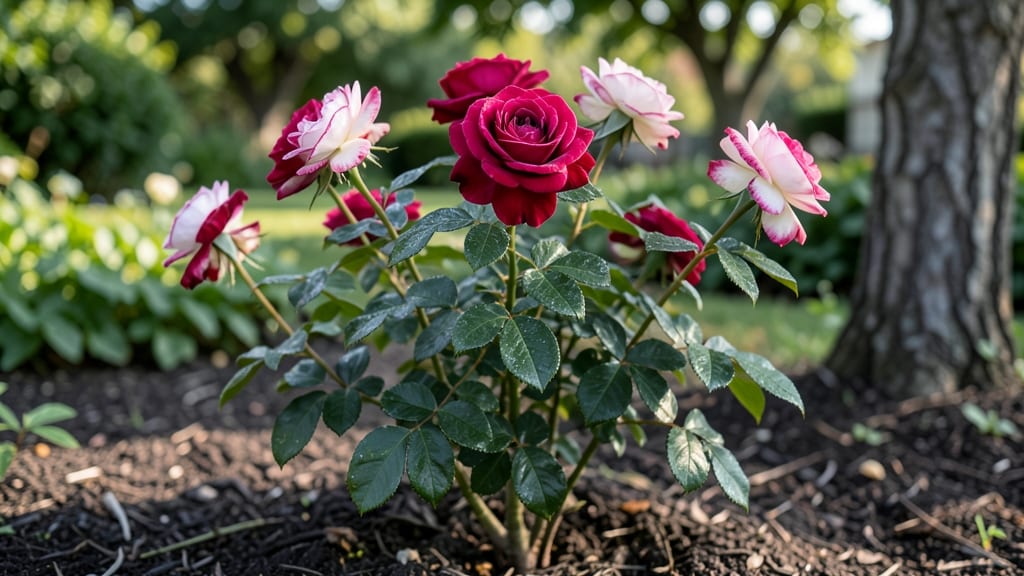
The Fire n Ice rose bush turns winter gardens into showstoppers with its bold pink-and-white blooms that refuse to quit. 🌹 I planted mine last fall, and even through 20-degree nights, it kept flowering—something my other roses couldn’t do.
This isn’t just another pretty face; it’s a tough, cold-hardy variety that thrives where others struggle.
Sunlight is its only real demand: at least 6 hours of direct sun daily, though it handles partial shade better than most roses. The soil? Rich, well-draining loam with a pH between 6.0 and 6.5—amend heavy clay with compost, and avoid soggy roots.
Watering’s simple: deep soak once a week (more in summer heat), and mulch to keep moisture steady. Skip the fuss, and it repays with continuous blooms from early summer to frost.
Pruning’s where the magic happens. Cut back dead stems in late winter, then trim lightly after each flush of blooms to encourage more flowers. The bi-color petals fade beautifully, so I leave some spent blooms for texture—until they’re truly done.
With proper care, this rose stays compact and bushy, perfect for containers or small gardens where space is tight.
Pests? Aphids and black spot are the usual suspects, but I’ve found this variety resists them better than many. A spray of neem oil or insecticidal soap keeps things in check. For winter prep, wrap the canes loosely in burlap if your zone dips below 15 degrees.
Trust me, once you see it in bloom, you’ll understand why this rose is a game-changer for cold climates.
Behind The Frost-Burned Foliage
If your Fire n Ice rose bush is showing signs of stress—like crispy edges, discolored leaves, or stunted growth—it’s often a cry for help from the plant. While this cold-hardy variety thrives in chilly climates, a few key factors can turn its vibrant beauty into a sad sight.
Let’s break down the real reasons behind the damage and how to fix them.
The Fire n Ice rose’s name hints at its love for contrast, but rapid temperature shifts—especially from freezing nights to scorching days—can shock the plant. Here’s why it happens:
- Cold Stress: When temperatures drop below 10°F (-12°C), the plant’s cells freeze, rupturing and causing brown, mushy patches on stems and leaves. This is especially true if the bush isn’t properly mulched or sheltered.
- Heat Stress: While this rose tolerates cold, prolonged exposure to 90°F+ (32°C+) without adequate water can lead to sunscald. The leaves curl, turn yellow, or develop white, papery edges—like a sunburn.
- Windburn: Cold, dry winds desiccate leaves, making them brittle and prone to tearing. This is common in exposed garden spots or high-altitude areas.
Actionable Fix:
- ✅ Mulch deeply (3–4 inches of organic mulch like wood chips) to insulate roots.
- ✅ Use frost cloth on young plants or during sudden freezes.
- ✅ Water deeply before frost to help the soil retain heat.
- ✅ Avoid pruning in late summer—new growth is more vulnerable to cold.
The Fire n Ice rose needs consistent moisture to handle temperature extremes, but overwatering or drought can both cause damage:
| Issue | Symptoms | Why It Happens |
|---|---|---|
| Underwatering | Wilting, crispy leaf edges, leaf drop, and stems that snap easily. | Dry soil pulls moisture from leaves, causing osmotic stress. In cold weather, roots can’t absorb water efficiently, leading to dehydration. |
| Overwatering | Yellowing leaves, mushy stems | (especially at the base), and a foul smell from the soil.Waterlogged soil suffocates roots, preventing oxygen uptake. In cold climates, poor drainage + excess water = root rot. |
Actionable Fix:
- 💡 Water at the base (not overhead) to reduce evaporation and fungal risks.
- 💡 Check soil moisture—stick your finger 2 inches deep; water if it’s dry.
- 💡 Improve drainage by amending clay soil with compost or planting in raised beds.
- 💡 Avoid watering late in the day—wet foliage + cold = fungal diseases like black spot.
This rose isn’t just tough—it’s hungry. If the soil lacks key nutrients or has pH problems, the plant weakens and becomes susceptible to stress:
- Nitrogen Deficiency: Pale, yellowing leaves (especially older ones) signal low nitrogen. The plant can’t produce enough chlorophyll to handle cold, leading to stunted growth and weak stems.
- Phosphorus Shortage: Dark green leaves with purple stems? This nutrient is crucial for root development and cold resistance. Poor phosphorus = shallow roots that freeze easily.
- Soil pH Too High/Low: Roses prefer 6.0–6.5 pH. If the soil is too alkaline (pH >7.0), iron and manganese become unavailable, causing chlorosis (yellow leaves with green veins). Too acidic (pH <5.5) can burn roots.
Actionable Fix:
- ✨ Test your soil (use a DIY kit or send a sample to a lab).
- ✨ Amend soil annually with:
- Compost (for organic matter)
- Bone meal (for phosphorus)
- Sulfur (to lower pH) or lime (to raise pH)
- ✨ Use a slow-release rose fertilizer in early spring to build resilience before cold snaps.
A stressed Fire n Ice rose is a magnet for pests and pathogens. When the plant is already struggling from cold or poor care, insects and fungi move in for the kill:
- Spider Mites: These tiny pests thrive in hot, dry conditions and suck sap from leaves, causing stippling (tiny white/yellow dots) and webbing. Weakened by cold stress, the rose can’t fight back.
- Japanese Beetles: They skeletonize leaves, and their larvae devour roots, making the plant more vulnerable to winter damage.
- Fungal Infections (Black Spot, Powdery Mildew): Wet foliage + cold temperatures = perfect fungal conditions. Black spot causes dark spots with yellow halos, while powdery mildew leaves a white, powdery coating.
Actionable Fix:
- 🛡️ Prevent pests with neem oil (spray in early spring and after rain).
- 🛡️ Remove infected leaves immediately and dispose of them in the trash (not compost).
- 🛡️ Encourage beneficial insects like ladybugs and lacewings by planting marigolds or dill nearby.
- 🛡️ Space plants for airflow to reduce humidity around foliage.
Most damage to your Fire n Ice rose is preventable with the right care. By addressing temperature swings, water habits, soil health, and pest pressure, you’ll help this hardy beauty bounce back—and put on even more stunning bi-color blooms next season! 🌹❄️
Revive & Protect Your Rose Bush
Your Fire n’ Ice rose bush may be struggling, but with the right care, it can bounce back to its stunning bi-color glory! Below are practical, step-by-step solutions tailored to common issues—plus prevention tips to keep your rose bush thriving year-round.
If your rose bush is losing its vibrant green, it’s often a sign of nutrient deficiency, overwatering, or pests.
🔍 Diagnose First
Check the leaves:
- Yellowing between veins? → Likely iron deficiency (chlorosis).
- Brown, crispy edges? → Underwatering or salt buildup.
- Soft, mushy leaves? → Overwatering or fungal disease.
✨ Quick Fixes
| Problem | Solution | Prevention Tip |
|---|---|---|
| Iron deficiency | Apply chelated iron supplement (follow package instructions). | Test soil pH (ideal: 6.0–6.5) and amend with sulfur if too alkaline. |
| Overwatering | Let soil dry 2–3 inches deep before watering; improve drainage. | Use well-draining soil mix (add perlite or sand). |
| Underwatering | Water deeply 1–2 times per week (early morning is best). | Mulch around the base to retain moisture. |
| Pests (aphids, spider mites) | Spray with neem oil or insecticidal soap. | Encourage beneficial insects (ladybugs) by planting marigolds nearby. |
The Fire n’ Ice rose is cold-hardy, but late frosts or harsh winters can still stress it.
🛡️ Winter Care Steps
- 🍂 Mulch Heavily – Apply 4–6 inches of mulch (straw or shredded leaves) around the base after the first frost to insulate roots.
- 🌡️ Cover Young Plants – Wrap burlap or frost cloth loosely around the bush if temps drop below 10°F (-12°C).
- 💧 Reduce Watering – Let soil dry slightly in winter to prevent root rot from frozen ground.
- 🌿 Prune in Late Winter – Cut back dead or damaged canes in February (before new growth starts).
> 💡 Pro Tip: If your rose bush loses buds to frost, don’t panic! Many canes will regrow once temperatures warm.
If your Fire n’ Ice is putting out leaves but skipping flowers, it’s likely due to poor pruning, lack of sunlight, or weak growth.
🌿 How to Encourage Blooms
- 🔪 Prune Correctly – Cut back 1/3 of the oldest canes in early spring to stimulate new growth.
- ☀️ Ensure Full Sun – Roses need 6+ hours of sunlight daily; move to a sunnier spot if needed.
- 🌱 Feed for Flowers – Use a balanced rose fertilizer (10-10-10) in early spring and again after the first bloom.
- 💧 Deep Water Weekly – Roses need 1–2 inches of water per week (more in extreme heat).
> ✨ Bonus Tip: Deadhead spent blooms to encourage more flowers throughout the season!
To keep your Fire n’ Ice rose bush healthy and vibrant, follow this year-round care plan:
✅ Spring (March–May)
- Prune dead wood and shape the bush.
- Apply compost or slow-release fertilizer.
- Watch for early pests (aphids, scale).
✅ Summer (June–August)
- Water deeply 2–3 times per week (early morning).
- Mulch to retain moisture.
- Monitor for powdery mildew (spray with baking soda mix if needed).
✅ Fall (September–November)
- Reduce watering as temps drop.
- Add extra mulch before winter.
- Plant bulbs nearby for early spring color (roses love companions!).
✅ Winter (December–February)
- Protect from wind (use a windbreak if needed).
- Avoid pruning until late winter.
- Check for rodent damage (wrap trunk with metal mesh if needed).
With these simple fixes and preventative steps, your Fire n’ Ice rose bush will thrive for years, rewarding you with stunning bi-color blooms season after season! 🌹✨
Frequently asked questions
Why does the Fire n Ice rose get its striking pink-and-white color?
This bi-color effect comes from two-toned petals where pink and white hues blend naturally. The color intensity depends on sunlight exposure—full sun deepens the pink tones, while partial shade keeps them softer. This variety is bred specifically for its dramatic contrast, making it a standout in any garden.
Can I grow Fire n Ice roses in containers?
This compact variety thrives in 15-20 gallon containers with well-draining potting mix. Use a pot with drainage holes and place it where it gets at least 6 hours of sun daily. Just be sure to water more frequently than in-ground plants since containers dry out faster.
How cold can Fire n Ice roses tolerate?
This variety handles down to 10°F (-12°C) without protection, making it ideal for cold climates. For zones colder than 5, add 3-4 inches of mulch and wrap young canes in burlap during extreme freezes. The key is protecting the roots and buds from rapid temperature swings.
Why aren't my Fire n Ice roses blooming as much as expected?
Check these common culprits: lack of sunlight (needs 6+ hours daily), over-pruning (leave some old canes), or poor nutrition. Feed with a balanced rose fertilizer in early spring and deadhead spent blooms regularly to encourage continuous flowering.
Are Fire n Ice roses fragrant?
While not heavily perfumed like some hybrid teas, they do have a light, sweet fragrance—especially in morning sunlight. The scent is subtle but pleasant, making them great for cut flowers or garden borders where you want color without overpowering aromas.