
Pruning
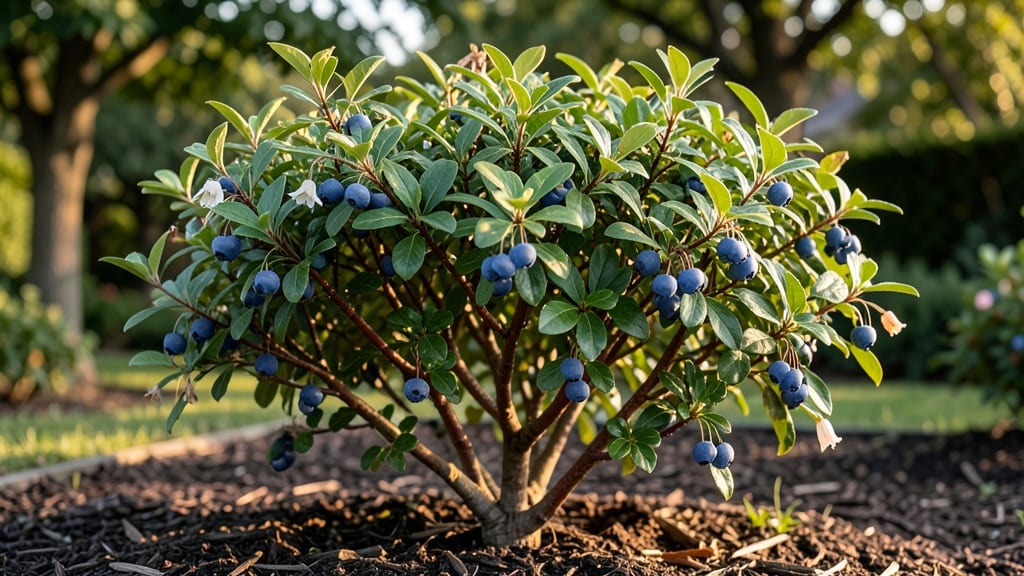
A full-grown blueberry bush size can range dramatically—from compact 3-foot dwarf varieties to towering 12-foot giants—depending on the type you choose.
Wondering how much space to allocate for your blueberry bushes? Knowing the full-grown blueberry bush size is crucial for proper planting, pruning, and maximizing your harvest—yet many gardeners overlook this key detail.
For example, a Northern Highbush 🫐 can reach 8 to 12 feet tall, while a Rabbiteye variety stays shorter at 6 to 10 feet. Meanwhile, dwarf varieties like Top Hat max out at just 3 feet, making them perfect for containers or small gardens.
In this guide, I’ll break down the mature dimensions by variety, spacing tips to avoid overcrowding, and how to prune for size control—so you can plan your blueberry patch with confidence.

Blueberry bush size by variety: mature dimensions and spacing requirements
When planning your blueberry patch, knowing the full grown blueberry bush size is essential for creating an efficient, productive garden layout. Each variety grows differently, with some reaching towering heights while others stay compact—making proper spacing requirements critical for air circulation, sunlight exposure, and disease prevention.
I’ve grown several varieties over the years, and the differences in mature dimensions can dramatically impact your harvest and maintenance efforts.
Blueberries are classified into five main groups based on size and climate suitability: Northern Highbush, Southern Highbush, Rabbiteye, Half-High, and Lowbush. Each has distinct growth habits that influence how you should space them in your garden.
For example, a Rabbiteye variety can easily reach 10-12 feet tall, while a Lowbush type stays under 2 feet. Understanding these differences ensures you allocate the right space for each plant’s needs.
| Variety | Mature Height | Mature Width | Recommended Spacing (ft) | Best For |
|---|---|---|---|---|
| Northern Highbush | 6-8 ft | 5-6 ft | 4-5 ft apart | Zones 4-7, large gardens |
| Southern Highbush | 5-7 ft | 4-5 ft | 3-4 ft apart | Zones 7-10, warm climates |
| Rabbiteye | 10-12 ft | 8-10 ft | 8-10 ft apart | Zones 7-9, rural areas |
| Half-High | 3-5 ft | 3-4 ft | 2-3 ft apart | Small gardens, containers |
| Lowbush | 1-2 ft | 2-3 ft | 1-2 ft apart | Wild harvesting, ground cover |
The Northern Highbush varieties, like Bluecrop or Duke, are the most popular for home gardens in cooler climates. They reach 6-8 feet tall and spread 5-6 feet wide, requiring 4-5 feet of spacing between plants.
This spacing ensures adequate air flow, which is crucial for preventing fungal diseases like botrytis blight. In my own garden, I’ve found that spacing them too closely leads to crowded canes that compete for sunlight and nutrients, reducing overall yield.
Southern Highbush varieties, such as O’Neal or Climax, are better suited for warmer regions and tend to be slightly smaller, reaching 5-7 feet tall. Their 4-5 foot spread means you can plant them 3-4 feet apart, making them ideal for smaller yards or urban gardens. I once planted a Southern Highbush too close to a fence and had to prune aggressively to prevent the branches from rubbing against the wood, which can cause wounds and invite pests.
Rabbiteye varieties, like Climax or Powderblue, are the giants of the blueberry world, often growing 10-12 feet tall with a 8-10 foot spread. These varieties need 8-10 feet of spacing to thrive, which is why they’re commonly found on farms rather than home gardens. If you’re determined to grow a Rabbiteye at home, consider planting it against a sturdy trellis or fence to manage its size and prevent it from dominating your landscape.
For gardeners with limited space, Half-High varieties like Top Hat or Pink Lemonade are a
How blueberry bush size affects planting, pruning, and harvesting
The full grown blueberry bush size isn't just about aesthetics—it directly impacts your planting layout, pruning strategy, and even your harvest. A 6-foot Northern Highbush needs completely different spacing than a 3-foot Lowbush, and crowding plants can lead to poor air circulation, fungal diseases, and reduced fruit production.
Understanding these dimensions helps you design a thriving blueberry patch that maximizes both space and yield.
For example, Southern Highbush varieties like 'O'Neal' can reach 8-10 feet tall with a 6-foot spread, while Half-High varieties like 'Top Hat' stay compact at 3-4 feet tall.
These differences mean you'll need to adjust your garden's layout, pruning schedule, and even pollination planning. Let's break down how size affects each critical aspect of growing blueberries.
- 1. Planting Layout: Space Northern Highbush varieties 5-6 feet apart to prevent overcrowding, while Lowbush types need only 2-3 feet of space.
- 2. Pruning Needs: Taller varieties (8+ feet) require annual pruning to maintain shape and improve air flow, while dwarf types (3-4 feet) need minimal pruning.
- 3. Pollination: Larger bushes produce more flowers, increasing the need for cross-pollination—plant at least two compatible varieties within 30 feet of each other.
- 4. Yield Potential: A 10-foot spread Southern Highbush can produce 10+ pounds of berries, while a 3-foot dwarf yields 1-2 pounds—plan your harvest expectations accordingly.
- 5. Small Garden Hacks: Use container growing for dwarf varieties or espalier training to grow larger types against a fence, saving space without sacrificing yield.
When planning your blueberry planting layout, the full grown blueberry bush size dictates everything from row spacing to companion planting. For instance, a 6-foot spread Northern Highbush needs at least 6 feet of clearance on all sides to avoid shading smaller plants.
In tight spaces, consider espaliering larger varieties against a trellis or fence, which can reduce their spread by 30-50% while maintaining height.
Pruning becomes far more manageable when you account for mature size. Taller varieties like 'Duke' (Southern Highbush) benefit from open-center pruning, where you remove older canes from the center to improve light penetration and air circulation.
Meanwhile, dwarf varieties like 'Top Hat' require only light pruning to shape them, as their compact size minimizes disease risk. Always prune in late winter or early spring before new growth begins.
Harvesting is another area where size matters. Larger bushes produce more berries, but their canes can be harder to reach—consider using a step stool or harvest basket for varieties over 6 feet tall.
Smaller bushes are easier to pick but may yield less, so balance your garden's size with your harvesting goals. For example, if you want 5 gallons of berries per season, you'll need at least two large bushes or four dwarf varieties.
For small gardens, focus on space-efficient varieties like 'Peach Sorbet' (Half-High) or 'Bluecrop' (Northern Highbush), which stay under 5 feet tall and 4 feet wide. Pair them with companion plants like thyme or marigolds to maximize space while improving soil health and pest control.
With the right variety and layout, even a 4x4-foot patch can yield 2-3 pounds of blueberries per season.