
Flowers
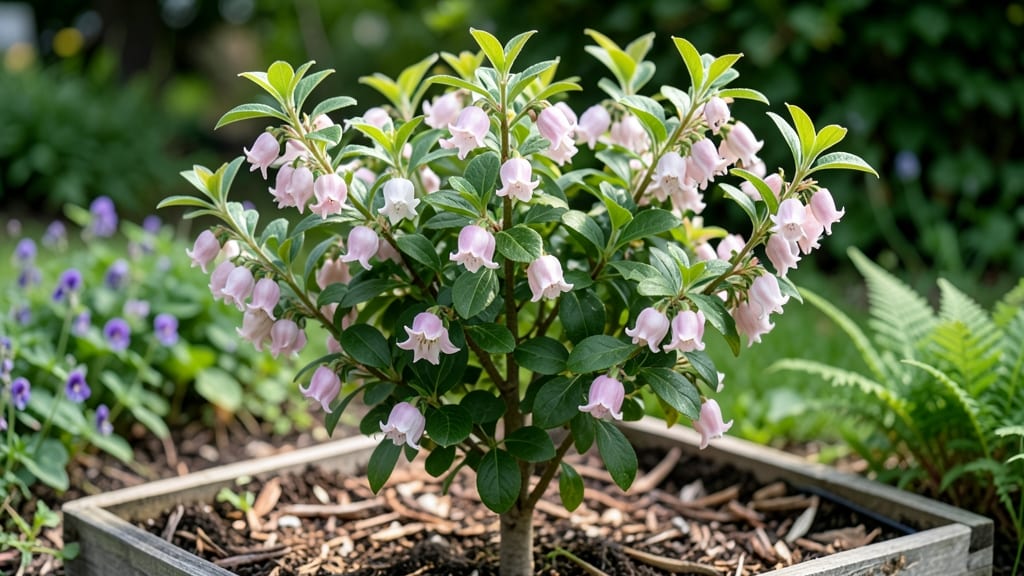
Your highbush blueberry flowers could be blooming year-round with the right pruning timing—here's how. 🌸 I learned the hard way that aggressive cuts in winter can wipe out next year's blooms, but strategic pruning in late summer and early spring transforms my bushes into fruit-producing powerhouses.
The secret lies in understanding that blueberries flower on last year's wood, so you're always balancing growth and fruit production. Start by removing dead or crossing branches first, then thin out older stems to encourage new growth.
This isn't about cutting back hard—it's about shaping the bush to maximize sunlight and air flow. What you'll end up with is a bush covered in white bell-shaped flowers that last for weeks, followed by sweet, juicy berries.
The key is patience: it takes about 3-4 years from planting to full production, but once established, these bushes reward you with pounds of fruit each season. Works equally well for backyard gardens and commercial plantings—just adjust the scale.
Here's the step-by-step approach that's given me consistent harvests for over a decade.
📚 In This Guide
- What you need
- Instructions
- Tips and common mistakes
- Wrapping up and next steps
What you need
- ● Pruning shears or loppers: Sharp, bypass-style shears (for clean cuts) or loppers (for thicker branches). Size: 6–8" blades for shears; 8–10" for loppers.
- ● Hand pruners: For smaller branches (1/4"–3/4" diameter). Look for ergonomic handles to reduce hand fatigue.
- ● Disinfectant (70% isopropyl alcohol or bleach solution): 1 part bleach to 9 parts water (for sterilizing tools between cuts).
- ● Gloves: Heavy-duty, gardening gloves (cut-resistant for safety).
- ○ Pruning saw (optional but helpful): For branches thicker than 2" in diameter. Type: Curved-tooth saw for clean cuts.
- ● Marking twine or flags: To tag branches for removal (if needed). Color: Bright orange or red for visibility.
- ● Timing: Prune dormant season (late winter/early spring, before buds swell) or summer (after harvest, to shape). Avoid pruning when flowers are open!
- ● Weather: Choose a dry, overcast day to prevent stress on the plant. Wet conditions can spread disease.
- ● Plant health check: Ensure bushes are 3–5 years old (younger plants need minimal pruning). Look for signs of pests/disease (e.g., mummified berries or blackened canes).
- ● Safety: Wear closed-toe shoes and eye protection if working with large branches.
- ● Pruning sealant: For large cuts (e.g., Tanglefoot Tree Wound Pruning Seal) to prevent disease entry.
- ● Mulch: Pine straw or wood chips (2–3" layer) to retain moisture and suppress weeds post-pruning.
- ● Fertilizer: Balanced, acidic fertilizer (e.g., 10-10-10 or blueberry-specific blend) to replenish nutrients after heavy pruning.
- ● Plant tags: To label pruned sections if you’re experimenting with different techniques.
Step-by-step guide to pruning highbush blueberry flowers
Transform your blueberry bushes into fruit-bearing powerhouses with these precise pruning techniques.
✂️ Step 1: Identify and Remove Dead or Diseased Wood
Start by inspecting your bushes for any branches that are brown, brittle, or showing signs of disease like cankers or fungal spots. These are the first to go—they drain energy from healthy growth and can spread problems. Use sharp, clean pruners to make cuts at a 45-degree angle, about ¼ inch above a bud or lateral branch. This ensures water runs off cleanly and prevents rot.
I always prune on a dry day when the bushes aren’t actively flowering or fruiting. The goal here is sanitation, so don’t hesitate to remove up to 20% of the bush if needed. Healthy wood should be green or reddish-brown when broken, with a moist interior.
✂️ Step 2: Thin Out Overcrowded Branches for Airflow
Blueberry bushes thrive when they get good airflow and sunlight. Look for branches that cross each other or grow inward—they’ll rub against one another, creating wounds where disease can enter. Remove every second or third branch that’s growing too close to its neighbor, cutting back to the main stem or a strong lateral branch.
Focus on the center of the bush first, where branches often tangle. You’ll see a noticeable difference in light penetration after just a few cuts. Aim to leave an open, vase-like shape with the strongest, most outward-facing branches. This encourages fruit to develop on the outer edges where it gets the most sun.
✂️ Step 3: Prune Last Year’s Fruit Wood After Harvest
Blueberry flowers bloom on one-year-old wood, so the branches that bore fruit last season are now past their prime. After harvest, cut these back by ⅓ to ½ their length, making your cuts just above a bud that faces outward. This promotes new growth that will flower and fruit next year.
I like to do this in stages—first after harvest, then again lightly in late winter—so the bush isn’t stressed all at once. Avoid cutting into old, woody stems that no longer produce flowers; these are your bush’s structural backbone. You’ll know you’ve done it right when you see fresh, green growth emerging from the pruned areas by early spring.
✂️ Step 4: Lightly Shape the Bush for Balance
Now it’s time to refine the shape. Step back and look at your bush from all sides. You want a rounded, open center with branches spaced evenly. Cut back any overly long or leggy branches to encourage bushier growth. For horizontal branches, trim the tips to redirect energy toward fruit production.
Here’s the thing—blueberries don’t need heavy pruning like some fruit trees. Think of this as a light trim, not a drastic makeover. If you’ve done the previous steps well, you’ll only need to make 5-10% of cuts for shaping. The goal is to maintain the natural form while keeping the bush productive and easy to harvest.
⏰ Step 5: Clean Up and Monitor for New Growth
After pruning, gather all the cuttings and dispose of them in the trash—not the compost—since diseased wood can spread pathogens. Sterilize your pruners with rubbing alcohol between cuts if you’ve made any incisions on infected branches. Now’s also the time to apply a balanced fertilizer (like 10-10-10) if your soil tests show a deficiency.
Watch for new shoots emerging from the base of the bush in early spring. These are your future fruit-bearing branches. If you see any suckers growing from the roots, remove them immediately—they’ll drain energy from your main plant. Within a few weeks, you should see fresh, vibrant leaves and buds forming where you made your cuts. That’s your sign the pruning was successful.
Tips & tricks for pruning highbush blueberry flowers
Here's what nobody tells you about pruning blueberries—details that make all the difference between a decent harvest and a bountiful one.
Pruning Tool Prep: Sharpen your pruners before you start—dull blades crush stems instead of cutting cleanly, which invites disease. I sterilize them with rubbing alcohol between cuts on infected branches. A bypass pruner works best for clean cuts, while anvil pruners can crush wood. For larger branches, grab a pruning saw—don't try to force your hand pruners.
Timing is Everything: The instructions mention pruning after harvest and in late winter, but here's the key: avoid pruning when buds are swelling or flowers are opening. Cold weather slows sap flow, reducing stress on the plant. If you must prune in late winter, do it on a calm day when temperatures are above freezing—this helps prevent shock. I always check the forecast before scheduling my pruning day.
Bud Orientation Matters: When making cuts in Step 3 and Step 4, pay close attention to which way the buds face. Outward-facing buds will grow into branches that receive more sunlight and air circulation—ideal for fruit production. If you're unsure, make your cut just above the bud and look at the direction it points. This small detail makes a big difference in your harvest size and quality.
Post-Pruning Care: After you've finished pruning, don't just walk away—give your bushes a little extra attention. Water thoroughly if you haven't had rain in a week, and apply a layer of mulch around the base (but keep it away from the stem). This helps the plant recover faster. I also like to do a final inspection for any missed suckers or crossing branches about a month after pruning.
Pro Tips for Highbush Blueberry Flowers
- Here's what nobody tells you about pruning blueberries—details that make all the difference between a decent harvest and a bountiful one.
- Pruning Tool Prep: Sharpen your pruners before you start—dull blades crush stems instead of cutting cleanly, which invites disease.
- Timing is Everything: The instructions mention pruning after harvest and in late winter, but here's the key: avoid pruning when buds are swelling or flowers are opening.
Frequently asked questions
Got questions about nurturing those stunning highbush blueberry flowers? You’re in the right place! Here are answers to the most common curiosities—from timing to troubleshooting—so you can keep those blooms thriving and your bushes fruitful.
When is the best time to prune highbush blueberry flowers?
Prune after harvest (late summer to early fall) to avoid cutting off next year’s flower buds, which form on one-year-old wood. A light winter prune (removing dead or crossing branches) is also safe. Never prune in spring—you’ll risk losing blooms and fruit!
How do I know if my blueberry flowers are healthy?
Healthy flowers are vibrant pink or white, plump, and free of spots or wilting. If blooms are sparse, yellowing, or falling off prematurely, check for pests (like blueberry maggots), fungal issues (powdery mildew), or poor pollination. Adjust care (water, fertilizer, or pest control) as needed!
Can I prune too much? What are the signs?
Yes! Over-pruning (removing >30% of the bush in one go) stresses the plant, leading to fewer flowers, stunted growth, or even death. Signs include bare branches, no new growth in spring, or excessive leaf drop. Aim for gradual pruning—10–20% per year—and focus on open-centered shapes.
Why aren’t my blueberry flowers turning into fruit?
Common culprits: lack of pollinators (hand-pollinate with a brush if bees are scarce), wrong pH (blueberries need acidic soil, 4.5–5.5), or nutrient deficiencies (add compost or a blueberry-specific fertilizer). Also, ensure flowers aren’t frost-damaged (they need chilling hours to set fruit).
What’s a good alternative if I don’t have highbush blueberries?
Try lowbush blueberries (hardier, smaller bushes) or raburns (Vaccinium arboreum), which have showy flowers and edible berries. For non-fruiting options, blueberry shrubs like ‘Top Hat’ or ‘Pink Icing’ offer stunning blooms with minimal care. Just match your climate zone!
Wrapping up and next steps
Highbush blueberry flowers are the gateway to a bountiful harvest, and with the right pruning techniques, you can keep your bushes thriving for years! Remember, timing, clean cuts, and regular maintenance are key to encouraging vibrant blooms and delicious fruit.
Whether you’re a seasoned gardener or just starting, these secrets will help you cultivate a thriving blueberry patch.
Ready to put your newfound knowledge into action? Grab your pruners and give your bushes a fresh start this season! 🌿✨