
Shrubs
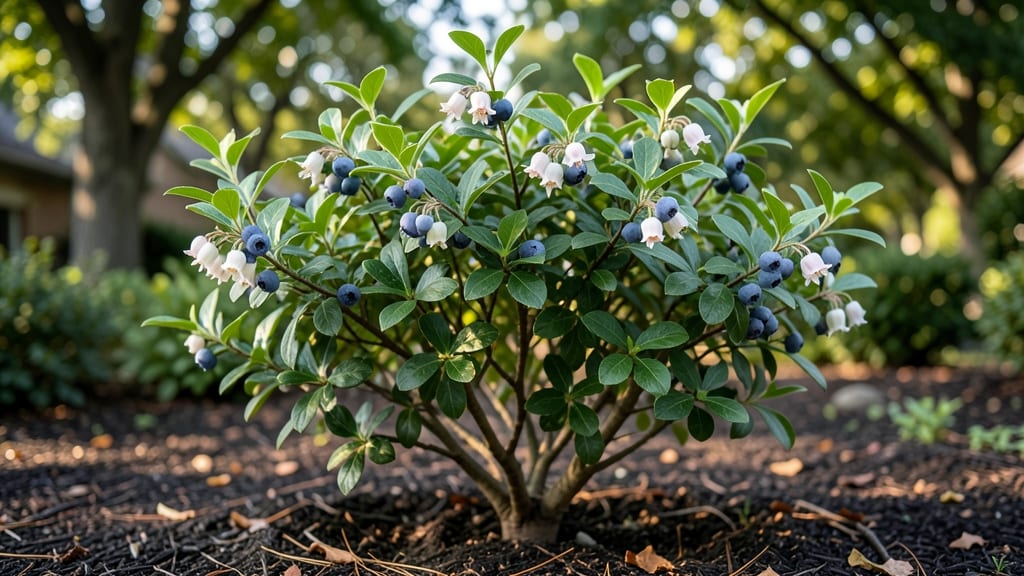
Blueberry bushes produce fruit every 1-2 years once mature, but the wait for that first harvest can feel like an eternity — and then the worry starts: Will it ever fruit again?
If you’ve ever planted a 🫐 blueberry bush, you might wonder why it takes years before you see a single berry — only to then worry if it’ll ever produce again. Understanding the blueberry bush’s fruiting cycle is key to patience and a bountiful harvest.
The truth is, these shrubs follow a natural rhythm: heavy yields one year, lighter the next, and sometimes even a rest year. But with the right care — like soil pH, pruning, and winter protection — you can boost production and keep those berries coming reliably.
Below, I’ll break down the timeline from planting to harvest, why some bushes take 2-5 years to bear fruit, and how to maximize your yield every season.
Blueberry bush fruit production timeline: from planting to first harvest
Blueberry bushes are famous for their delicious fruit, but many gardeners are surprised by the 2-5 year wait before seeing their first harvest. This delay isn’t a sign of failure—it’s part of the plant’s natural establishment phase.
During these early years, your bush focuses on growing roots, stems, and leaves rather than producing fruit. Patience pays off, though, because once established, blueberries can thrive for decades with proper care.
The fruiting cycle begins in late winter or early spring, when buds form on one-year-old wood. Flowering typically occurs in April or May, depending on your USDA climate zone.
For example, in Zone 5, blooms appear around mid-April, while in Zone 8, they might not emerge until early May. Understanding these timing differences helps you prepare for the growing season ahead.
Here’s how the fruiting timeline unfolds from planting to harvest:
| Stage | Action | Timeframe | Climate Zone Notes |
|---|---|---|---|
| Planting | Establish roots in acidic soil (pH 4.5-5.5) | Spring (USDA 3-9) | Zone 3-5: Plant in May; Zone 6-9: Plant in April |
| First Year | Focus on root and leaf growth | No fruit production | All zones: Prioritize mulching and watering |
| Second Year | Bud formation begins | Late summer (USDA 3-5) | Zone 6-9: Buds form earlier (June-July) |
| Third Year | First flowers appear | Spring (April-May) | Zone 3-4: Flowers may frost-damage; protect with row covers |
| Fourth Year | First harvest (small yield) | Late June-August | Zone 8-9: Harvest extends into September |
| Mature Stage | Peak production (every 1-2 years) | Annual or biennial | Zone 5-7: Heavy yields every 2 years; Zone 8-9: Annual yields |
After planting, your blueberry bush enters a dormancy period in winter, which is crucial for its health. During this time, the plant conserves energy and prepares for the next growing season.
In USDA Zones 3-5, cold winters can delay bud break, while Zones 6-9 experience earlier and longer growing seasons. For example, a bush in Zone 7 might start flowering in early April, while one in Zone 9 could bloom as late as May.
Flowering is a critical stage where pollination success determines fruit set. Blueberries are self-pollinating, but cross-pollination between bushes often increases yields. If you notice few or no flowers, check for frost damage, nutrient deficiencies, or improper pruning.
A light application of high-phosphorus fertilizer in early spring can encourage more blooms the following year.
Once pollinated, the flowers develop into tiny green berries that gradually ripen over 60-90 days. The ripening process varies by variety: Northern highbush types (like 'Bluecrop') mature in early summer, while Southern highbush varieties (like 'Misty') ripen later.
In USDA Zone 8, you might even see a second flush of berries in late summer if conditions are ideal.
Harvest time arrives when berries turn a deep blue or purple color and easily detach from the stem. For early-season varieties, this could be as early as June, while late varieties may not be ready until August or September.
In warmer climates (Zones 8-9), harvesting can extend into early fall, giving you a longer window to enjoy fresh blueberries.
After harvest, your blueberry bush enters a rest period, where it focuses on rebuilding energy for the next fruiting cycle. This is why many bushes follow an alternating bearing pattern, producing heavy yields one year and lighter yields the next.
To encourage consistent production, practice light pruning in late winter to remove dead wood and improve airflow,
How often blueberry bushes produce fruit annually: peak yields and rest years
Blueberry bushes follow a fascinating alternating bearing pattern, meaning they don’t produce fruit every single year. Instead, they often alternate between heavy fruiting years and lighter or "rest" years.
This natural cycle helps the plant conserve energy and ensures long-term productivity. Understanding this pattern will help you manage expectations and optimize care for maximum yields.
The first harvest typically occurs 2-5 years after planting, depending on the variety and growing conditions. For example, northern highbush types may take 3-4 years, while southern highbush varieties can fruit sooner, sometimes in just 1-2 years.
Patience is key—don’t be disheartened if your bush skips a year or two early on!
To encourage consistent production, focus on pruning strategies tailored to the year. After a heavy fruiting year, prune lightly to remove dead or diseased wood and thin out crowded branches.
In a rest year, avoid heavy pruning—instead, remove only the oldest canes (over 5 years old) to make room for new growth. This balance helps maintain the bush’s energy reserves for future harvests.
Another critical factor is pollination. Blueberries are self-pollinating, but cross-pollination between bushes can increase yields. Plant at least two varieties within 50 feet of each other to improve fruit set. Avoid overwatering during flowering, as soggy conditions can deter pollinators like bees.
Monitor your bush’s growth habits and adjust care accordingly. If your blueberry bush consistently produces lightly or skips multiple years, check for nutrient deficiencies (especially magnesium or nitrogen) or pH imbalances.
A simple soil test can reveal if amendments like peat moss or sulfur are needed to restore ideal conditions.
With the right care, your blueberry bush can thrive for 20-30 years, providing annual harvests—even if they alternate in intensity. Embrace the cycle, and soon you’ll enjoy buckets of fresh, antioxidant-rich berries every season! 🫐