
Shrubs
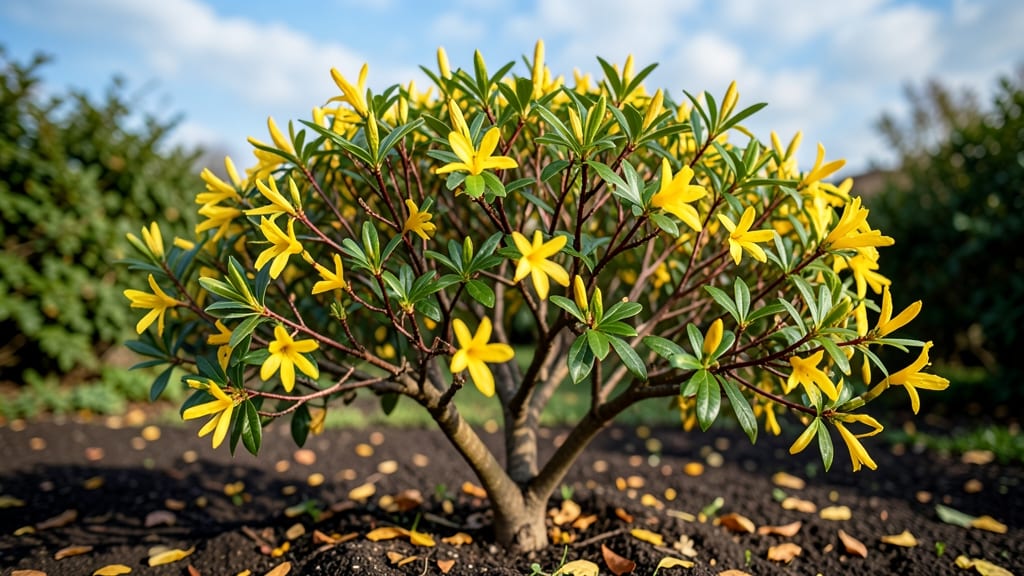
If you're wondering how tall do forsythia bushes get, the answer depends on the variety and how you prune them—so if you're planning your spring garden, this is the first detail you need to nail.
Picture this: a sunny March morning when your yard bursts into golden 🌸 blooms, signaling the end of winter. But here’s the catch—some forsythias stay compact enough for a small border, while others stretch skyward like a natural trellis.
Without knowing the difference, you might end up with a shrub that outgrows its welcome.
That’s why understanding the height range—from dwarf varieties under 5 feet to standard types reaching 10 feet—is the key to choosing the right plant for your space. Whether you’re framing a garden path or adding a bold focal point, the right size makes all the difference.
Below, I’ll break down the height variations by variety, share pruning secrets to control growth, and help you pick the perfect forsythia for your yard—no guesswork required.

Forsythia bush height by variety: compact to towering options
When planning your spring garden, forsythia bush height is one of the first things to consider. These cheerful shrubs can range from dwarf varieties under 3 feet to towering giants reaching 10 feet or more.
The key difference often comes down to the rootstock used during propagation, which directly influences mature size. Whether you're designing a small urban garden or a sprawling landscape, choosing the right variety ensures your forsythia thrives without overwhelming your space.
Most gardeners assume all forsythias reach similar heights, but cultivar selection makes all the difference. For example, the classic 'Spectabilis' variety typically matures between 8 and 10 feet, while 'Little Witch' stays compact at just 3 to 4 feet.
Understanding these differences helps you select the perfect shrub for your design goals, whether that's a privacy hedge, a border accent, or a statement focal point.
Rootstock plays a crucial role in determining forsythia growth patterns. Nurseries often graft desirable cultivars onto stronger rootstocks to control size. For instance, dwarf rootstock produces smaller plants, while standard rootstock encourages taller growth.
This grafting technique allows you to enjoy the same vibrant blooms in a more manageable package, perfect for container gardening or tight spaces.
If you're working with a limited garden space, dwarf varieties like 'Little Witch' or 'Spring Glory' are ideal choices. These compact forsythias thrive in containers or small garden beds, making them perfect for patios, balconies, or urban courtyards.
Their manageable height also means less pruning, saving you time and effort while still delivering that show-stopping spring color.
For larger properties, consider taller varieties like 'Lynwood Gold' or 'Spectabilis', which can create dramatic privacy screens or serve as stunning landscape focal points. These varieties excel in sunny, open areas where they can fully express their natural growth potential.
Just be prepared for more maintenance, as taller forsythias may require occasional pruning to control their spread.
When selecting a forsythia, also consider its growth rate. Most varieties grow 12 to 24 inches per year, so a 6-foot shrub could reach maturity in just 3 to 5 years.
This rapid growth makes forsythias a great choice for quickly filling empty spaces, but it also means planning ahead if you're working with a tight timeline. Always check the nursery label for specific growth expectations before purchasing.
For hedge applications, semi-dwarf varieties like 'Courtosal' strike the perfect balance. They offer enough height to create a defined barrier while remaining manageable with regular pruning. To encourage bushier growth, prune immediately after blooming to shape the shrub and promote new branches.
This technique also helps maintain the desired height over time, preventing your forsythia from becoming too leggy or unruly.
One common mistake is assuming all forsythias will grow to the same size. Rootstock differences can dramatically alter mature height, so always ask your nursery about the specific rootstock used.
Some nurseries even offer size-controlled options, which are ideal for container gardening or small-space landscapes. By choosing wisely, you can enjoy the beauty of forsythia without sacrificing your garden's layout.
Whether you're a seasoned gardener or a beginner, selecting the right forsythia bush height ensures your spring garden will shine. From compact varieties for tight spaces to towering giants for bold statements, there's a perfect forsythia for every yard.
Start by measuring your space and matching it to the mature height of your chosen variety—your future spring blooms will thank you!
How fast do forsythia bushes grow? Pruning tips to control height
Forsythia bushes are famous for their rapid growth and cheerful yellow blooms, but their speed can vary dramatically depending on the variety and growing conditions. On average, most forsythias grow 12–24 inches per year, with some aggressive growers like 'Spectabilis' reaching 6–10 feet in just 3–5 years.
If you're planning your landscape, understanding these growth rates will help you choose the right variety for your space.
For example, 'Lynwood Gold' stays compact at 3–5 feet, perfect for small gardens, while 'Show Off' can soar to 12 feet or more. The key to managing their height lies in seasonal pruning—cutting at the right time ensures bushier blooms and prevents them from becoming unruly.
Let’s dive into how to control their growth while keeping those vibrant flowers coming back year after year.
⚠️ callout warning
Pruning forsythia at the right time is crucial. The best time to prune is right after flowering, typically in late April or early May. This timing encourages new growth for next year’s blooms while keeping the plant in check.
If you prune too late in the season, you risk removing next year’s flower buds, which form on last year’s growth.
Start by removing dead or crossing branches first, then shape the bush by cutting back overgrown stems to just above a bud. For taller varieties like 'Show Off', aim to reduce height by no more than 1–2 feet per year to avoid shocking the plant.
Use clean, sharp pruners to make 45-degree cuts just above a leaf node to encourage bushier regrowth.
One common mistake gardeners make is pruning in the fall or winter, which can leave the plant vulnerable to cold damage and disease. Another pitfall is over-thinning the center of the bush, which reduces airflow and increases the risk of fungal issues.
Instead, focus on opening up the center while maintaining a balanced shape.
For faster results, fertilize in early spring with a balanced 10-10-10 fertilizer to encourage vigorous growth. Pair this with regular watering during the first growing season to help the roots establish. With consistent care, you can enjoy blooms for decades while keeping your forsythia at your desired height.