
How To
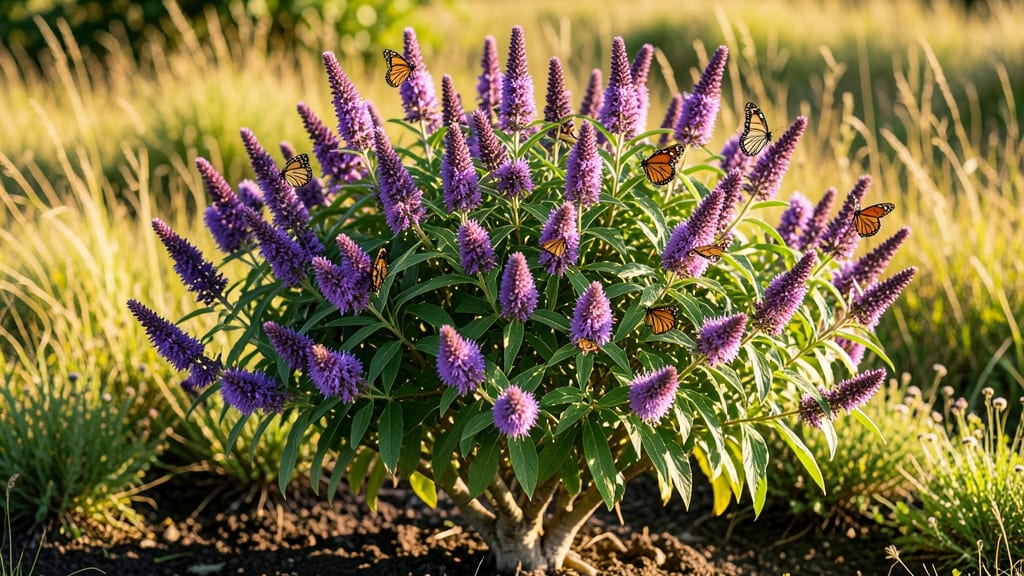
A butterfly bush how tall does a butterfly bush grow can range from 3 feet to over 12 feet, depending on the variety you choose—and picking the right one for your space makes all the difference.
Picture this: a 6-foot shrub that becomes a privacy screen in two years, or a compact 3-foot version that fits perfectly in a container on your patio.
The height of these pollinator magnets isn’t just about aesthetics; it’s about how much room you’re willing to give them (or how much you’re willing to prune).
Standard varieties like 'Empire Blue' can reach 10+ feet if left unchecked, while dwarf types like 'Lo & Behold' max out at 3-5 feet. I’ll break down the exact heights by cultivar, so you can match your garden’s needs without ending up with a shrub that outgrows its welcome.
You’ll also learn how to control its size with simple pruning techniques, spacing recommendations to avoid overcrowding, and which varieties thrive in tight spaces versus large landscapes. Let’s get started!

Butterfly bush height by variety: exact growth ranges for small to large gardens
Choosing the right butterfly bush variety depends entirely on your space. Some varieties stay compact enough for containers, while others grow tall enough to create privacy screens or dramatic focal points. The key is understanding each variety's mature height and growth habits before planting.
I've grown several varieties myself, and the difference between a 3-foot dwarf and a 12-foot giant is night and day!
Butterfly bushes (Buddleia davidii and hybrids) typically reach their mature height within 2-3 years, though some varieties grow more aggressively. The growth rate varies by cultivar, with some shooting up 3 feet per year in ideal conditions.
Let's break down the exact height ranges so you can pick the perfect fit for your yard.
The 'Lo & Behold' series is my go-to for small spaces. These compact varieties stay under 4 feet tall and grow just 1-2 feet per year, making them perfect for containers or tight urban gardens.
I've seen them thrive in 15-gallon pots for years with minimal pruning. Their slower growth rate also means less maintenance—ideal for busy gardeners!
On the opposite end, 'Empire Blue' is a powerhouse that can reach 10 feet or more. This variety grows 3 feet per year in ideal conditions, so it's best planted where it can spread out.
I planted one near my fence line, and within three years, it created a natural privacy screen that butterflies adore. Just be prepared for its aggressive growth!
For medium-sized gardens, 'Royal Red' and 'Miss Ruby' strike a balance. These varieties typically reach 5-7 feet tall, making them perfect for backyard borders or as a focal point near patios.
They grow faster than dwarf varieties but won't overwhelm smaller spaces. I've found they bloom profusely with minimal care, attracting monarchs and swallowtails in droves.
When planning your butterfly bush layout, remember that spacing matters just as much as height. Dwarf varieties need 3-4 feet between plants, while tall varieties should have 6-8 feet of clearance.
This prevents overcrowding and ensures each plant gets enough sunlight and airflow. I once planted two 'Empire Blue' bushes too close together, and they competed fiercely for space—resulting in fewer blooms!
How to control butterfly bush height: pruning tips for different growth goals
Butterfly bushes (Buddleia davidii) grow aggressively if left unchecked, often reaching 6 to 12 feet tall. The good news? With strategic pruning, you can shape them into compact shrubs or maintain them as tall privacy screens.
The key lies in understanding when and how to prune based on your specific growth goals. Whether you want a neat 3-foot bush or a 6-foot border plant, these techniques will keep your butterfly bush in check.
Timing is everything when pruning butterfly bushes. Late winter or early spring is ideal for rejuvenation pruning, while light trimming after flowering encourages bushier growth. Avoid heavy pruning in fall, as new growth won’t harden off before winter.
I’ve learned the hard way—skipping this rule led to frozen tender shoots and a sad, leggy plant by spring. Let’s dive into the step-by-step process to achieve your perfect height.
Step-by-Step Pruning Guide
- 1 Assess your goal: Decide if you want a compact bush (3-5 ft), medium shrub (5-7 ft), or tall screen (8-12 ft). This determines your pruning approach.
- 2 Prune for height control: Cut back 1/3 of the oldest stems to the ground in late winter to encourage new growth. For dwarf varieties, trim to 2-3 feet tall.
- 3 Shape after flowering: Lightly trim spent blooms and leggy stems in late summer to promote bushier growth. Avoid cutting into old wood, as it won’t regrow.
- 4 Control spread: If your butterfly bush is too wide, prune outward-facing branches to redirect energy inward. This prevents it from spilling into lawns or walkways.
- 5 Avoid common mistakes: Never prune more than 1/3 of the plant at once, as this stresses the bush. Also, sterilize pruners between cuts to prevent disease spread.
For aggressive growers like 'Empire Blue,' I recommend annual rejuvenation pruning in late winter to keep them under 8 feet. If you’re growing dwarf varieties like 'Lo & Behold,' a light trim after flowering is usually enough to maintain their 3-4 foot height.
The key is consistency—pruning at the right time ensures your butterfly bush stays healthy, compact, and blooming.
One mistake I see often is pruning too late in the season. New growth won’t have time to harden off before winter, leaving your plant vulnerable to frost damage.
Always aim to finish pruning by mid-spring in most climates. Pair this with regular deadheading during the growing season to encourage continuous blooms and control height naturally.
Remember, butterfly bushes thrive on full sun and well-draining soil. If your plant isn’t growing as expected, check these basics first. With the right pruning routine, you’ll have a pollinator-friendly shrub that fits perfectly in your landscape—no overgrowth in sight! ✂️🌿