
Shrubs
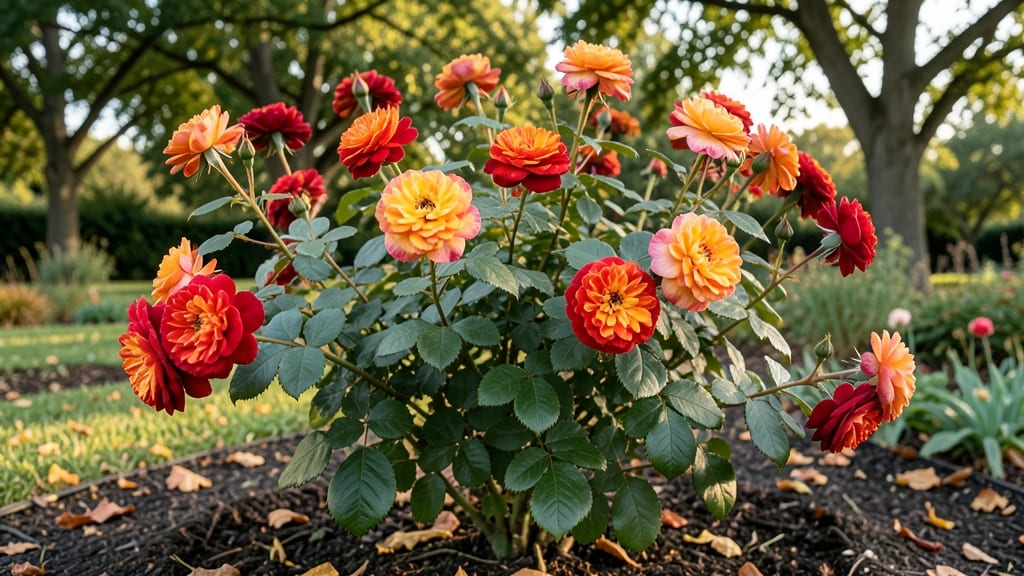
When looking for Joseph's Coat rose bushes for sale, prioritize varieties with their signature multicolored blooms in red, pink, yellow, and green hues, as they thrive in USDA zones 5-9. Opt for disease-resistant options like 'Crimson and Gold' or 'Rainbow Colors' from trusted nurseries or online plant retailers.
These striking roses get their name from the biblical story of Joseph's colorful coat, and their variegated petals make them stand out in any garden. 🌸 The blooms appear in clusters throughout late spring to summer, offering continuous color that attracts pollinators.
What sets them apart from traditional roses is their unique foliage—often with marbled green and cream patterns—that adds visual interest even when not in bloom. I always recommend buying from reputable sources like local nurseries with good reviews or online sellers with healthy root systems and proper packaging for shipping.
For best results, check for firm stems, vibrant leaves, and no signs of pests when purchasing. Fall is actually the ideal time to buy, as plants establish roots before winter dormancy. Just be sure to inspect the roots—white, fibrous roots mean a healthy specimen ready to thrive in your garden.
💡 In This Article
- Key Features of Joseph's Coat Roses
- Where to Buy Healthy Joseph's Coat Rose Bushes
Key features of Joseph's Coat roses
Joseph's Coat roses stand out because their petals feature a stunning variegation—typically blending red, pink, yellow, and green hues in a single bloom. This unique coloration comes from a genetic trait called chimerism, where different colored cells exist side by side in the same flower tissue.
Unlike traditional roses that produce uniform petal colors, these blooms create a mosaic effect that resembles the biblical Joseph's famous multicolored coat. 🌸 The foliage often mirrors this pattern, with marbled green and cream leaves that add year-round interest even when flowers aren't present.
The growth habit varies by variety, but most Joseph's Coat roses develop as compact shrubs reaching 3-5 feet tall with a similar spread. Some varieties like 'Crimson and Gold' grow slightly taller (4-6 feet), while others stay more contained.
What's special about their blooming pattern is the continuous flowering from late spring through summer, producing clusters of 3-5 flowers per stem. This differs from traditional roses that often bloom in single flushes, making Joseph's Coat varieties excellent for cut arrangements or pollinator gardens.
Botanically, these roses belong to the Rosa genus but exhibit hybrid characteristics that make them more disease-resistant than many heirloom varieties. The variegated petals contain higher concentrations of anthocyanins (red/purple pigments) and carotenoids (yellow/orange pigments) that work together to create their signature colors.
This pigment combination also contributes to their slightly stronger fragrance compared to plain-colored roses, with notes of citrus and spice. 🌿 The flowers typically measure 2-3 inches wide and have a slightly ruffled texture that adds dimension when viewed up close.
What most gardeners don't realize is how their growth patterns differ from traditional roses. Joseph's Coat varieties tend to have a more upright, bushy form rather than the sprawling habit of climbers.
This makes them ideal for foundation plantings or mixed borders where their vibrant colors can be appreciated from multiple angles. The stems are typically 1/4-inch thick with a slightly woody texture, and the canes develop a smooth bark that adds winter interest.
Unlike many roses that require heavy pruning, these varieties respond well to light shaping after blooming.
Seasonal care is crucial for maintaining their distinctive appearance. The variegated foliage can be sensitive to too much shade, which may cause the cream patterns to fade to solid green.
In full sun (6-8 hours daily), the color patterns remain vibrant, and the blooms develop their most intense hues. The flowers themselves have a unique structure with 5-7 petals arranged in overlapping layers, creating a slightly three-dimensional appearance.
This structural complexity is what makes them so visually striking compared to simpler rose varieties.
Consider these key characteristics when evaluating Joseph's Coat roses:
- Color intensity: Full sun produces the most vibrant petal colors, while partial shade may mute the reds and yellows
- Fragrance strength: Variegated varieties often have a more pronounced scent than solid-colored roses
- Growth rate: Expect 12-18 inches of new growth per season with proper care
- Bloom duration: Continuous flowering from June through August in most climates