
Pruning
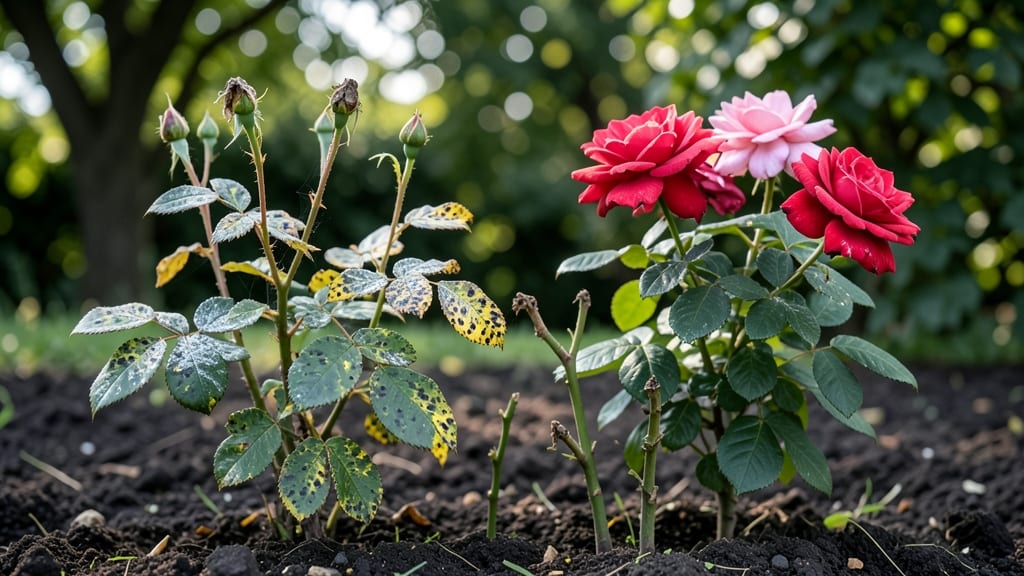
Your Knockout rose bush problems could be blooming nonstop—if you fix these late-winter pruning mistakes. ✂️ I’ve nursed back three bushes that looked like overgrown sticks, and the secret isn’t fancy tools or expensive sprays.
It’s knowing when to cut, where to cut, and what to look for before you even touch the shears. The biggest problem? Most gardeners prune at the wrong time or cut too aggressively, leaving bushes stressed and vulnerable to diseases like black spot or powdery mildew.
My first year, I nearly lost a bush because I pruned in early spring—now I wait until late February or early March when the ground is thawed but buds are still dormant. That’s when you spot the real issues: dead wood, crossing branches, and last year’s growth that’s already weakened.
What you’ll end up with is a bush that looks like it got a haircut from a pro—clean canes, open center, and energy focused on new blooms.
The key is making cuts at a 45-degree angle, just above an outward-facing bud, and never removing more than one-third of the plant’s total growth. It takes about 30 minutes per bush, and the difference in summer blooms is shocking.
This works for any Knockout variety, whether you’re dealing with leggy growth, sparse blooms, or stubborn pests. Let’s get those roses back on track—before the aphids even think about showing up.
Root Causes Behind Struggles
Knockout rose bushes are known for their hardy nature and vibrant blooms, but even these resilient plants can face issues—especially when it comes to late winter pruning. Understanding why problems arise helps you take corrective action before they spiral.
Below, we break down the science behind common knockout rose bush struggles, so you can diagnose issues like a pro.
Knockout roses are cold-hardy, but extreme winter conditions—like freezing temperatures, heavy snow, or ice encasement—can disrupt their dormant state. When buds form too early (a phenomenon called break dormancy), they’re vulnerable to frost damage. This happens because:
- Temperature fluctuations: Rapid shifts from freezing to thawing confuse the plant’s internal clock, signaling it to sprout before conditions are safe. 🌡️
- Moisture stress: Ice or compacted snow traps water around stems, leading to crown rot or suffocation of buds.
- Lack of insulation: Without mulch or protective barriers, roots and canes freeze, weakening the plant’s ability to rebound in spring.
Actionable fix: Monitor your region’s last frost date and avoid pruning until after the last hard freeze. If your area has unpredictable winters, delay pruning until early spring.
Knockout roses thrive on structured pruning, but cutting too late in winter—or too aggressively—can stunt growth or invite disease. Here’s why timing and technique matter:
- Late winter pruning (Jan–Feb) in cold climates: If you trim before the plant’s natural dormancy breaks, you risk dieback (dead or weak new growth) because the plant hasn’t yet built energy reserves. ⏳
- Removing too many canes: Knockout roses rely on 3–5 main stems for structure. Pruning back to just 1–2 canes reduces flowering potential and exposes the plant to sunscald (damage from direct winter sun).
- Dirty or dull tools: Bacterial canker (a common rose disease) spreads through cuts made with contaminated shears. Even a small nick can become an entry point for pathogens.
Actionable fix:
- Wait until late winter to early spring (after the last frost but before buds swell).
- Use sterilized shears and make cuts at a 45-degree angle just above an outward-facing bud.
- Never remove more than 1/3 of the plant’s total canes in one pruning session.
Knockout roses are disease-resistant, but old, diseased wood left unchecked becomes a breeding ground for pathogens like black spot or powdery mildew. Here’s how it happens:
- Dead or hollow canes: These provide shelter for fungi and bacteria, which then spread to healthy tissue via wound paths (tiny cracks from frost or pruning).
- Moisture retention: Dense foliage or improper spacing traps humidity, creating ideal conditions for Botrytis blight (a gray mold that rots buds and leaves).
- Poor air circulation: Overcrowded bushes prevent airflow, leaving lower branches damp and susceptible to rot.
Actionable fix:
- Inspect canes for blackened, mushy, or discolored sections—cut these out below the infection and dispose of them in the trash (not compost).
- Space bushes 3–4 feet apart to improve airflow.
- Apply a copper fungicide in early spring as a preventative measure if your area is prone to fungal issues.
Knockout roses are low-maintenance, but they still need balanced nutrients to bounce back after winter. Deficiencies—especially in phosphorus, potassium, or micronutrients—weaken the plant’s ability to recover. Common signs include:
- Yellowing leaves (chlorosis): Often caused by iron or magnesium deficiency, worsened by alkaline soil (pH > 7.0), which locks out nutrients.
- Stunted growth or weak stems: A lack of phosphorus (P) delays root and flower development, while potassium (K) deficiency makes plants more susceptible to cold stress.
- Slow bud formation: Nitrogen-heavy fertilizers (like grass clippings) promote leafy growth at the expense of blooms, leaving the plant energy-depleted for spring.
Actionable fix:
- Test your soil’s pH and nutrient levels in early spring. Aim for a pH of 6.0–6.5.
- Add a slow-release rose fertilizer (high in P and K, like 5-10-5) in early spring before new growth appears.
- Avoid heavy nitrogen feeds until after the first flush of blooms to encourage strong stems.
By addressing these root causes—winter stress, pruning mistakes, disease buildup, and nutrient gaps—you’ll set your knockout rose up for a vibrant, healthy rebirth in spring. The key? Timing, precision, and proactive care.
Fixing Late-Winter Rose Issues
Now that you understand the common knockout rose bush problems disrupting your late-winter trimming, here’s how to tackle them—plus prevention tips to keep your roses thriving. These solutions are simple, effective, and tailored to each issue.
If you’ve cut back too aggressively, your knockout rose may look bare or stressed. Don’t panic—it’s resilient!
✅ Step-by-Step Fix: 🍳 Assess the damage – Look for bare stems or excessive cuts. If you’ve trimmed more than ⅓ of the bush, it’s time to act. 👨🍳 Prune selectively – Trim just above a healthy outward-facing bud (about ¼ inch above) to encourage new growth. 🌱 Fertilize lightly – Use a balanced rose fertilizer (10-10-10) to support recovery. Avoid heavy nitrogen until new shoots appear. 🌡️ Water deeply – Keep soil moist but not soggy. Mulch around the base to retain moisture.
💡 Pro Tip: If your rose looks really sad, skip fertilizing for a week and let it focus on regrowth.
White, powdery spots? That’s powdery mildew, a fungal foe that thrives in damp, shady conditions.
✅ Step-by-Step Fix: 🔪 Remove infected leaves – Snip off heavily affected foliage and dispose of it (don’t compost!). 🌧️ Improve airflow – Thin out dense growth to let sunlight and air circulate. 💧 Water at the base – Avoid overhead watering, especially in the evening. 🎯 Apply fungicide – Use a neem oil spray or baking soda mix (1 tsp baking soda + 1 quart water + a drop of dish soap) every 7–10 days until it clears.
✨ Prevention: Space plants 3–4 feet apart and prune for sunlight exposure.
Spotted aphids, Japanese beetles, or spider mites? These pests suck the life out of your roses.
✅ Step-by-Step Fix: 🕵️ Identify the pest –
- Aphids: Tiny green/black bugs on new growth.
- Japanese beetles: Coppery wings, chew leaves.
- Spider mites: Fine webbing on undersides of leaves.
🚰 Blast them off – Spray with soapy water (1 tsp mild soap per gallon) or a strong hose stream to dislodge pests. 🌿 Introduce predators – Ladybugs and lacewings eat aphids naturally.
Buy them online or attract them with companion plants like marigolds. 🍎 Use organic pesticides – Neem oil or pyrethrin spray (derived from chrysanthemums) work well.
💡 Pro Tip: Check the undersides of leaves daily—pests love hiding there!
If your knockout rose has long, spindly stems with few blooms, it’s likely overcrowded or nutrient-deficient.
✅ Step-by-Step Fix: ✂️ Prune for structure – Cut back leggy stems to just above a strong bud, encouraging bushier growth. 💪 Feed the roots – Use a low-nitrogen, high-phosphorus fertilizer (like 5-10-5) to boost blooming. ☀️ Move to sunnier spot – Knockout roses need 6+ hours of sunlight daily. If shaded, relocate or prune nearby trees/shrubs. 🌡️ Stake if needed – If stems flop, use soft ties and bamboo stakes to support them while they recover.
🎯 Prevention: Prune once a year (late winter) to maintain shape and airflow.
Yellowing leaves can mean overwatering, underwatering, or nutrient issues. Here’s how to fix it:
| Cause | Fix |
|---|---|
| Overwatering | Let soil dry between waterings. Improve drainage with gravel or sand. |
| Underwatering | Water deeply 2–3 times per week (more in heat). |
| Nitrogen deficiency | Apply blood meal or compost for a green boost. |
| Iron deficiency | Use an iron chelate supplement or mulch with pine needles. |
💡 Pro Tip: Stick your finger 2 inches into the soil—if it’s damp, hold off on watering.
If your knockout rose is all leaves, no flowers, it’s likely over-fertilized with nitrogen or under-stressed.
✅ Step-by-Step Fix: 🍄 Switch fertilizers – Use a bloom booster (high in phosphorus, like 7-9-5). ⏰ Prune for shape – Cut back old wood (over 3 years) to encourage new flowering canes. ☀️ Deadhead regularly – Remove spent blooms to redirect energy to new flowers. 🌱 Avoid late pruning – After mid-spring, pruning reduces blooms. Wait until next winter.
Keep your knockout rose healthy and happy with these habits: ✅ Prune in late winter (before new growth starts). ✅ Mulch annually (2–3 inches of wood chips or compost). ✅ Test soil every 2–3 years for pH (ideal: 6.0–6.5). ✅ Monitor pests weekly—early action prevents outbreaks. ✅ Water consistently—deep and infrequent is best.
Your knockout rose is tough—with these fixes, it’ll bounce back stronger than ever. Happy pruning! 🌹✂️
Frequently asked questions
Why are my knockout rose leaves turning yellow?
Yellowing leaves usually signal overwatering, underwatering, or nutrient deficiencies. Check soil moisture—if it's soggy, improve drainage with gravel or sand. For dry soil, water 2-3 times weekly. Yellowing between veins often means iron deficiency—try an iron chelate supplement or mulch with pine needles to acidify the soil.
Can I prune my knockout rose in early spring instead of late winter?
Late winter pruning (after last frost but before buds swell) gives your rose the best start. Early spring pruning can stress the plant by removing energy reserves it needs for new growth. If you missed late winter, wait until early spring but avoid cutting after mid-spring—this reduces flowering potential.
What should I do if my knockout rose has powdery mildew?
First, remove all infected leaves and dispose of them (don't compost!). Improve airflow by spacing plants 3-4 feet apart and thinning dense growth. Spray with a neem oil solution (1 tsp neem oil + 1 quart water) every 7-10 days until cleared. Avoid overhead watering in the evening to prevent moisture buildup.
How do I know if my knockout rose has aphids or spider mites?
Aphids appear as tiny green/black bugs clustered on new growth, while spider mites create fine webbing on leaf undersides. For aphids, blast them off with soapy water (1 tsp mild soap per gallon). For mites, spray with neem oil or introduce natural predators like ladybugs. Check undersides of leaves daily—they love hiding there!
Will pruning my knockout rose too hard kill it?
Knockout roses are tough, but never remove more than 1/3 of the plant's total canes in one session. If you've over-pruned, focus on selective trimming above healthy buds and avoid fertilizing for 1 week to let it recover. The plant will regrow—just be patient and keep soil consistently moist.