
Transplanting
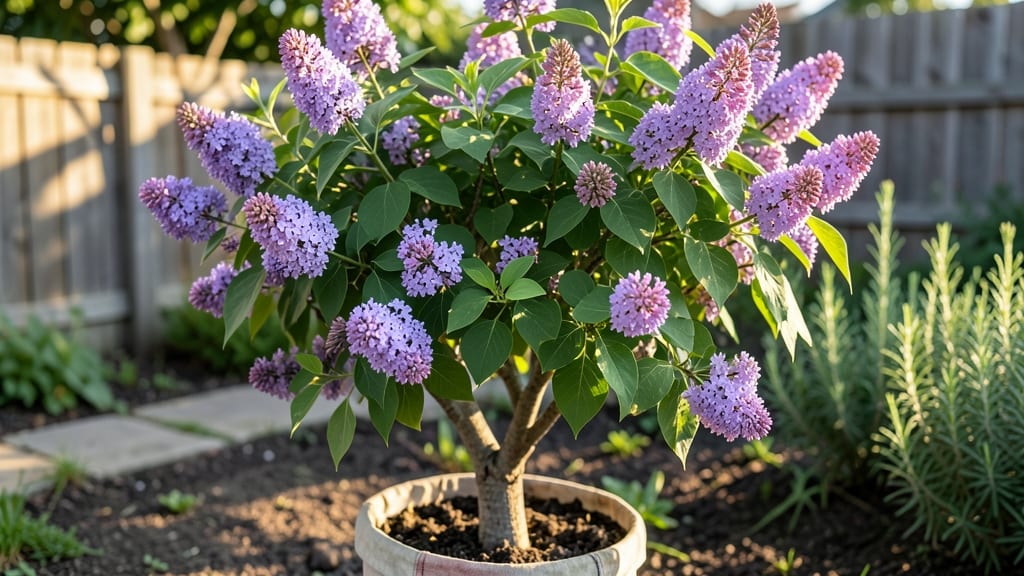
A lilac bush in a pot brings that intoxicating spring fragrance right to your patio or balcony. 🌿 I’ve grown mine for five years now, and the secret isn’t just the container—it’s the soil, sunlight, and a few pruning tricks that keep them blooming like crazy.
Most people assume potted lilacs are finicky, but with the right setup, they thrive just as well (or better) than their in-ground cousins.
The key starts with a 15-20 gallon container—big enough for roots to spread without getting cramped. Use a well-draining potting mix with 30% perlite or sand to prevent soggy roots, and pick a spot that gets at least 6 hours of sunlight daily.
Water deeply when the top inch of soil feels dry, but avoid letting them sit in saucers of water—root rot is the silent killer of potted lilacs.
By mid-spring, you’ll be rewarded with clusters of fragrant blooms that last 2-3 weeks (and sometimes longer if you deadhead spent flowers). The scent alone makes the effort worth it—imagine stepping outside to that classic lilac perfume wafting through the air.
With proper winter care (like wrapping the pot in burlap and moving it to a sheltered spot), you can enjoy these blooms for years without replanting.
This method works for any variety—common lilacs, dwarf types, or even double-flowered cultivars. The only real challenge is keeping roots happy in a pot, but with the right container and care, your lilac will reward you with decades of fragrance. Let’s get your potted lilac growing strong!
📚 In This Guide
- What you need
- Instructions
- Tips and common mistakes
- Wrapping up and next steps
What you need
- ● Container: A large, durable pot (at least 18-24 inches in diameter and 12-18 inches deep) with drainage holes. Terracotta or ceramic works best for airflow.
- ● Potting Mix: High-quality, well-draining container mix (avoid garden soil—it compacts easily). Aim for 3-5 gallons depending on pot size.
- ● Drainage Material: Pebbles, gravel, or broken pottery (1-2 inches) for the pot’s base.
- ● Lilac Bush: A container-grown or bare-root lilac (choose dwarf varieties like ‘Miss Kim’ or ‘Bloomerang’ for pots).
- ● Pruning Tools: Sharp bypass pruners or hand pruners (sterilized with rubbing alcohol).
- ● Mulch: Organic mulch (e.g., wood chips or bark) to retain moisture and regulate temperature.
- ● Watering Can or Hose: With a gentle spray nozzle for even watering.
- ● Fertilizer: Slow-release granular fertilizer (10-10-10 or similar) or organic compost (1 cup per pot).
- ● Pot Feet or Saucer: To protect surfaces and improve airflow.
- ● Slow-Release Fertilizer Spikes: For hassle-free nutrition.
- ● Plant Support: A small stake or trellis if your lilac grows tall.
- ● Soil Moisture Meter: To monitor watering needs (especially in hot climates).
- ● Pest Control: Neem oil or insecticidal soap (preventative measure).
Step-by-step guide to growing a lilac bush in a pot
Here's my foolproof method for keeping your lilac bush thriving in containers while enjoying those heavenly blooms all season.
🪴 Step 1: Choose the Right Container and Drainage
Lilacs need room to grow, so select a pot that's at least 24 inches wide and deep—these bushes develop extensive root systems. I always choose containers with multiple drainage holes to prevent soggy roots, which lilacs despise. If your pot lacks drainage, drill 3-4 additional holes along the bottom edges.
Terracotta pots work best because they breathe, but any sturdy container with a minimum 5-gallon capacity will do. Place a 2-inch layer of gravel or broken pottery in the bottom before adding soil—this creates space for excess water to escape while keeping roots above it.
🌱 Step 2: Prepare the Potting Mix and Plant
Fill the pot with a blend of equal parts potting mix and compost, then mix in one cup of perlite to improve drainage. Lilacs prefer slightly acidic soil, so I add ½ cup of peat moss to the mix. Moisten the soil until it feels like a damp sponge—not dripping, just consistently damp.
Dig a hole in the center of the pot twice as wide as the root ball and slightly shallower than the container's depth. Gently remove the lilac from its nursery pot and loosen the roots before placing it in the hole. Fill the gap with your potting mix, pressing lightly to eliminate air pockets. Water thoroughly until it drains from the bottom holes.
☀️ Step 3: Position for Sunlight and Airflow
Lilacs crave full sun—place your pot where it gets at least 6 hours of direct sunlight daily. A south-facing spot works best, but east or west exposures will also work if the bush gets morning or afternoon sun. Avoid moving the pot frequently, as lilacs dislike being transplanted once established.
Good airflow prevents fungal diseases, so position the pot where gentle breezes can circulate around it. If you're on a balcony or patio, keep it at least 3 feet from walls to allow air movement. You'll notice healthier foliage and stronger blooms when the plant isn't fighting for fresh air.
💧 Step 4: Water and Fertilize for Healthy Growth
Water your lilac deeply once a week—stick your finger 2 inches into the soil. If it feels dry, water until it runs out the drainage holes. Lilacs hate soggy roots, so never let the pot sit in standing water. In hot weather, you may need to water every 4-5 days, but always check the soil first.
Feed your lilac with a balanced, slow-release fertilizer (10-10-10 ratio) in early spring before new growth appears. Avoid high-nitrogen fertilizers—they promote leafy growth at the expense of flowers. I also sprinkle ½ cup of compost around the base in spring and fall to keep the soil rich without overfeeding.
✂️ Step 5: Prune and Maintain for Year-Round Blooms
Prune your lilac right after flowering (late spring or early summer) to encourage next year's blooms. Cut back dead or crossing branches first, then shape the bush by trimming no more than ⅓ of the oldest stems to the ground. Lilacs bloom on old wood, so avoid heavy pruning in late summer or fall.
Watch for yellowing leaves—this usually means your lilac needs more water or better drainage. If the soil stays wet for more than a day, the roots may be suffocating. Mulch the surface with 2 inches of shredded bark to retain moisture and regulate soil temperature. With proper care, your potted lilac will reward you with fragrant blooms for years to come.
Tips & tricks for perfect potted lilac blooms
Took me years to figure out these tricks—here's how to keep your container lilac thriving with minimal fuss.
Container Size Matters: That 24-inch minimum width is non-negotiable for mature lilacs. I've seen people cram them into 18-inch pots, and within two years, the roots circle the bottom like a snake. If you're starting with a smaller pot, plan to upgrade within 12 months—root-bound lilacs bloom poorly. For extra insurance, choose a pot with feet to prevent waterlogging from sitting in saucers.
Soil Science: The equal parts potting mix and compost blend is perfect, but here's the secret: mix in one extra cup of coarse sand along with the perlite. This creates tiny air pockets that prevent that dreaded "soggy bottom" feeling. Lilacs hate wet feet—this adjustment keeps roots happy even if you occasionally forget to water. I always test the soil's moisture by sticking my finger 2 inches deep before watering, just like the instructions say.
Sunlight Strategy: The 6 hours of sun is your baseline, but here's what I've learned: if your lilac gets afternoon sun (after 2 PM), it actually performs better than morning-only exposure. The intense afternoon rays help the buds set for next year's blooms. For balconies or patios, rotate the pot quarter-turn every few weeks—this ensures even growth and prevents lopsided bushes. You'll notice the foliage stays lusher and the blooms more abundant.
Pruning Precision: When trimming those ⅓ of oldest stems, I always cut back to just above a leaf bud or side branch. This encourages new growth from the base while preserving the bush's natural shape. Avoid cutting into old wood—you'll sacrifice next year's flowers. I mark the stems I'll remove with a piece of twine before grabbing the pruners, so I don't accidentally cut healthy branches.
Pro Tips for Lilac Bush In Pot
- Took me years to figure out these tricks—here's how to keep your container lilac thriving with minimal fuss.
- Container Size Matters: That 24-inch minimum width is non-negotiable for mature lilacs.
- Soil Science: The equal parts potting mix and compost blend is perfect, but here's the secret: mix in one extra cup of coarse sand along with the perlite.
Frequently asked questions
Got questions about keeping your lilac bush in pot thriving? You’re not alone! Here are answers to the most common concerns—from pruning to pests and everything in between.
How often should I water a potted lilac bush?
Water your potted lilac when the top 1–2 inches of soil feel dry. Aim for deep watering (1–2 gallons) every 5–7 days in summer, but reduce to once a week in cooler months. Overwatering can drown roots—always ensure the pot has drainage holes!
When is the best time to prune a lilac in a pot?
Prune right after flowering (late spring/early summer) to shape the bush and encourage next year’s blooms. Avoid heavy pruning in fall/winter—it removes buds for spring growth. Use clean, sharp shears and cut just above a leaf node for neat results.
What pests commonly attack potted lilacs, and how do I treat them?
Watch for aphids, spider mites, or scale insects (sticky leaves or webs are red flags). Treat mild infestations with neem oil or insecticidal soap. For severe cases, prune affected branches and repeat treatments every 5–7 days.
Can I grow a lilac bush in a pot indoors year-round?
Lilacs need sunlight and fresh air—they’re not ideal for full indoor life. Place them near a sunny window or balcony (6+ hours of light daily) and bring them outside in mild weather. If winters are harsh, move pots to a cool, unheated garage (40–50°F).
How do I repot a lilac bush that’s outgrown its container?
Repot every 2–3 years in spring, using a pot 2–3 inches wider with fresh, well-draining soil. Gently loosen roots, trim any circling growth, and water thoroughly after repotting. Choose a container with drainage holes to prevent root rot.
Wrapping up and next steps
Growing a fragrant lilac bush in a pot is a rewarding way to enjoy its sweet blooms without sacrificing space! With the right container, soil, and care, you can keep your lilac thriving for years. Remember, pruning, sunlight, and seasonal adjustments are key to long-term success.
Ready to transform your patio or balcony into a lilac-filled paradise? Start by choosing your favorite variety and gathering your supplies. Then, follow the steps above to give your lilac the best possible start. Happy gardening! 🌸🌿