
Pruning
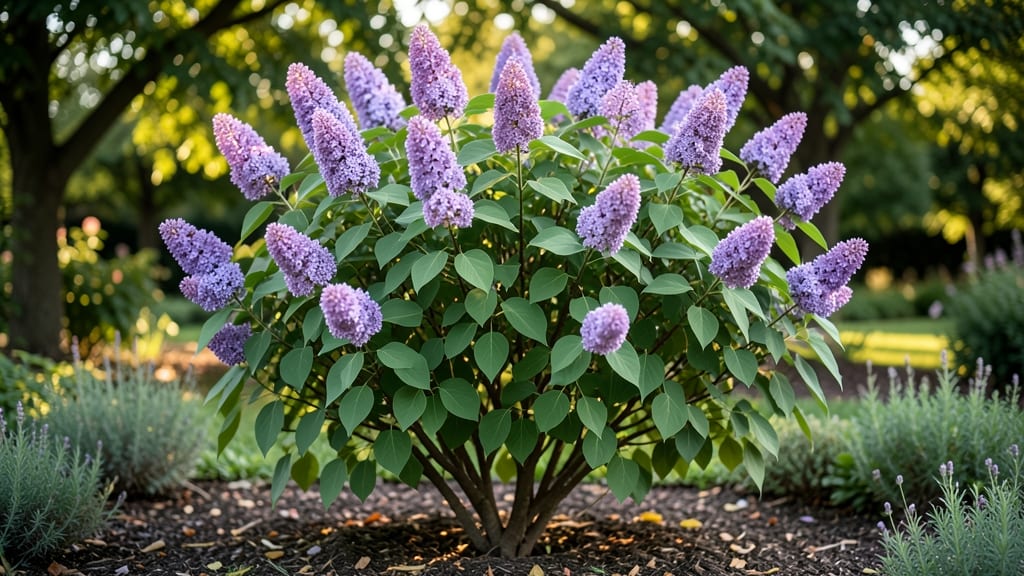
Your lilac bush needs 6 to 8 hours of sunlight daily—but here’s the catch: too much harsh afternoon sun can scorch those fragrant blooms you love. 🌿 I’ve learned that lilacs thrive in morning sun with afternoon shade, especially in hot climates, where they’ll reward you with longer-lasting, more abundant flowers every spring.
The secret isn’t just about sunlight—it’s about timing and location.
In cooler regions, lilacs can handle full sun all day, but in zones 7 and above, afternoon shade becomes a game-changer.
I’ve seen lilacs in my own yard struggle in the first year when planted in full sun—until I moved them to a spot where they got morning brightness and afternoon relief. The difference? Thicker foliage, fewer browned leaves, and blooms that last weeks longer.
Here’s the real payoff: when you get the sunlight right, your lilac won’t just survive—it’ll burst into fragrance by late spring, with flowers that keep coming back year after year.
The key is observing how your bush reacts after planting: if leaves crisp in summer, it’s getting too much sun. Adjust gradually, and you’ll have a lilac that’s healthier, happier, and more productive than ever.
This works for both new plantings and established bushes—just prune wisely after blooming to avoid cutting off next year’s flowers. Whether you’re in a sunny border or a partially shaded garden, the right light makes all the difference. Let’s get those blooms thriving!
📚 In This Guide
- What you need
- Instructions
- Tips and common mistakes
- Wrapping up and next steps
What you need
- ● Lilac bush (Syringa spp.): Choose a healthy, mature bush (3–5 years old) for best results. Varieties like Syringa vulgaris or Syringa meyeri are ideal.
- ● Pruning shears: Bypass pruning shears (4–6 inches long) for clean cuts—avoid anvil shears to prevent crushing stems.
- ● Gloves: Heavy-duty gardening gloves (e.g., Cotton or leather) to protect against thorns and sap.
- ○ Disinfectant (optional but recommended): 70% isopropyl alcohol or a pruning sealant (e.g., Tanglefoot Pruning Sealer) to prevent disease spread.
- ● Loppers: For thicker branches (1–2 inches in diameter). Look for ratcheting loppers for ease.
- ● Pruning saw: Only needed if branches exceed 2 inches in diameter (e.g., Fiskars PowerGear).
- ● Garden twine or zip ties: To secure heavy branches during pruning (1–2 rolls).
- ● Wheelbarrow or bucket: For collecting pruned branches (5–10 gallons capacity).
- ● Sharpie or marker: To label branches if shaping for specific growth patterns.
- ● Timing: Prune lilacs immediately after flowering (late spring/early summer) for next year’s blooms. Avoid pruning in fall/winter.
- ● Weather: Choose a dry, overcast day to reduce stress on the bush.
- ● Safety gear: Safety glasses (to shield from debris) and a dust mask if working in windy conditions.
- ● Pruning oil (e.g., Neem oil) to treat cuts and deter pests.
- ● Compost bin: To recycle pruned branches into mulch.
- ● Camera or sketchbook: To document your lilac’s shape before/after pruning.
- ● Fragrance-friendly planters: Small pots to display cuttings for indoor scent (e.g., terracotta pots).
How to position and maintain lilac bushes for optimal sunlight and fragrance
Sunlight is the secret weapon behind those intoxicating lilac blooms—here’s how to place and care for your bushes so they thrive year after year.
☀️ Step 1: Select the Perfect Sunlight Spot
Lilacs demand full sun—at least 6-8 hours of direct sunlight daily—to produce their signature fragrant blooms. I always scout the yard for the sunniest location, ideally where the bush will receive morning sun and afternoon light without harsh midday shade interference. A south- or west-facing exposure works best in most climates.
Watch for subtle clues: if nearby plants show signs of stress (like yellowing leaves) in the same spot, that’s a red flag. Lilacs hate competition—plant them at least 6 feet apart from other shrubs or trees, which can steal sunlight and nutrients. The more sun they get, the more intensely they’ll perfume your garden during bloom season.
✂️ Step 2: Prune Strategically for Light Penetration
Pruning isn’t just about shaping—it’s about maximizing sunlight access to the inner branches where buds form. After flowering, I cut back last year’s blooms by about one-third, focusing on older, woodier stems. This encourages new growth that will bear next year’s flowers while letting light reach the center of the bush.
Here’s the trick: never prune in late summer or fall—that’s when lilacs set flower buds for next season. Instead, time your pruning right after blooming, when you can see which branches are overcrowded. Thin out crossing or rubbing branches first—they block light and create weak growth. You’ll notice stronger fragrance and denser blooms within two seasons of proper pruning.
🌿 Step 3: Monitor and Adjust for Seasonal Sun Changes
Lilacs are tough, but they’ll tell you if their sunlight needs change. In spring, check for new growth leaning toward the light—that’s a sign they’re stretching for more sun. If you see pale, sparse foliage, it’s time to move the bush or trim nearby obstructions (like overgrown trees or structures) that might be casting shade.
In winter, evergreen shrubs or dense fencing can create unintended shade. I always take a quick walk around my lilacs in late fall to spot potential sunlight blockers before pruning season. A little strategic thinning of nearby plants can work wonders for next year’s bloom intensity. Think of it as giving your lilacs a clear, unobstructed stage to shine.
💧 Step 4: Balance Sunlight with Watering for Healthy Growth
Sunlight and water go hand-in-hand—too much sun without enough moisture leads to stressed plants. I water lilacs deeply once a week during dry spells, aiming for 1-1.5 inches of water per session. The key is even moisture: let the top 2 inches of soil dry out between waterings, but never let the roots sit in soggy conditions.
You’ll know you’ve got the balance right when the leaves stay deep green and firm, not wilted or crispy. Mulch around the base with 2-3 inches of organic material (like wood chips) to retain moisture and regulate soil temperature. This helps lilacs handle both the heat of full sun and the occasional dry spell without skipping a beat.
Tips & tricks for perfect lilac bush fragrance
These subtle adjustments will transform your lilacs from ordinary to showstopping—without extra effort.
Sunlight Strategy: The 6-8 hours of direct sunlight specified in Step 1 isn't just a minimum—it's the sweet spot for fragrance production. I've noticed that lilacs positioned to catch morning sun (when humidity is lower) and afternoon light (when temperatures peak) develop the most intense scent. If your yard has limited full-sun spots, consider using reflective surfaces like light-colored walls or gravel paths to bounce extra sunlight onto the bush during critical afternoon hours.
Pruning Precision: When you're cutting back last year's blooms by one-third in Step 2, focus on removing stems that are thicker than a pencil. These older stems often produce fewer flowers and block sunlight from reaching inner growth. I use sharp, clean pruners and make cuts just above outward-facing buds—this creates better airflow and stronger fragrance development. The key is to open up the center while maintaining the bush's natural shape.
Seasonal Sunlight Check: In Step 3, that springtime leaning growth is your lilac's way of saying "I need more light!" If you notice this happening, it's time to either relocate the bush or prune nearby trees/shrubs that might be casting shade. I've found that even removing just a few lower branches from an overhanging tree can make a dramatic difference in bloom intensity. Think of it as giving your lilac a clear view of the sky.
Watering Wisdom: The 1-1.5 inches of water per week in Step 4 should be delivered slowly to avoid runoff. I use a soaker hose set on low for about 20 minutes to ensure even moisture penetration. The top 2 inches of soil drying between waterings is crucial—it prevents root rot while maintaining consistent hydration. During extreme heat, I increase to twice-weekly watering but always check for that deep green color first.
Pro Tips for Lilac Bush Sunlight
- These subtle adjustments will transform your lilacs from ordinary to showstopping—without extra effort.
- Sunlight Strategy: The 6-8 hours of direct sunlight specified in Step 1 isn't just a minimum—it's the sweet spot for fragrance production.
- Pruning Precision: When you're cutting back last year's blooms by one-third in Step 2, focus on removing stems that are thicker than a pencil.
Frequently asked questions
Got questions about keeping your lilac bush bathed in sunlight while maximizing fragrance and health? Here are answers to the most common ones—because every gardener deserves a little peace of mind (and a lot of blooms!).
When is the best time to prune lilacs for sunlight exposure?
Prune your lilac bush right after flowering (late spring to early summer). This ensures sunlight reaches the center, promoting better blooms next year. Avoid heavy pruning in fall or winter—it disrupts dormancy and weakens growth. Pro tip: Never cut into old wood (no green rings = no flowers!).
How long does it take for a lilac bush to recover after pruning?
Recovery time varies, but lilacs are resilient! With proper pruning, you’ll see new growth within 4–6 weeks. Full fragrance and bloom potential may take 1–2 seasons, especially if you’re reviving an overgrown bush. Patience pays off—think of it as a spa day for your plant!
Can lilacs grow in partial shade? What’s the best sunlight balance?
Lilacs thrive in full sun (6+ hours daily), but they tolerate partial shade (4–6 hours). If sunlight is limited, expect fewer blooms and weaker fragrance. For partial shade, prune to open the center and improve air circulation. Warning: Too little light = leggy growth and sparse flowers.
Why aren’t my lilacs fragrant after pruning?
Fragrance fades when lilacs get too much shade, poor circulation, or over-pruning. Check for:
- Blocked sunlight: Trim nearby trees/shrubs.
- Dead wood: Remove it—it steals energy!
- Over-fertilizing: Too much nitrogen = leaves over blooms.
What’s a good alternative if my lilac bush struggles with sunlight?
If your location lacks sunlight, try these fragrant, low-light-tolerant alternatives:
Plant
Sunlight Needs
Fragrance Notes
Mock Orange (Philadelphus)
Partial shade (3–6 hrs)
Sweet, orange-blossom scent
Daphne
Partial shade (4+ hrs)
Spicy, honey-like aroma
Weigela
Full sun to partial shade
Light, floral, slightly citrusy
Wrapping up and next steps
Transforming your lilac bush into a fragrant year-round treasure is simpler than you think—just a little pruning science and sunlight love! By mastering the right techniques, you’ll enjoy that divine lilac scent long after the blooms fade. 🌸
Ready to take the next step? Grab your pruners and schedule that first trim—your garden (and nose!) will thank you. And don’t forget: consistency is key—a little effort now means months of blooms and fragrance later!