
Diseases
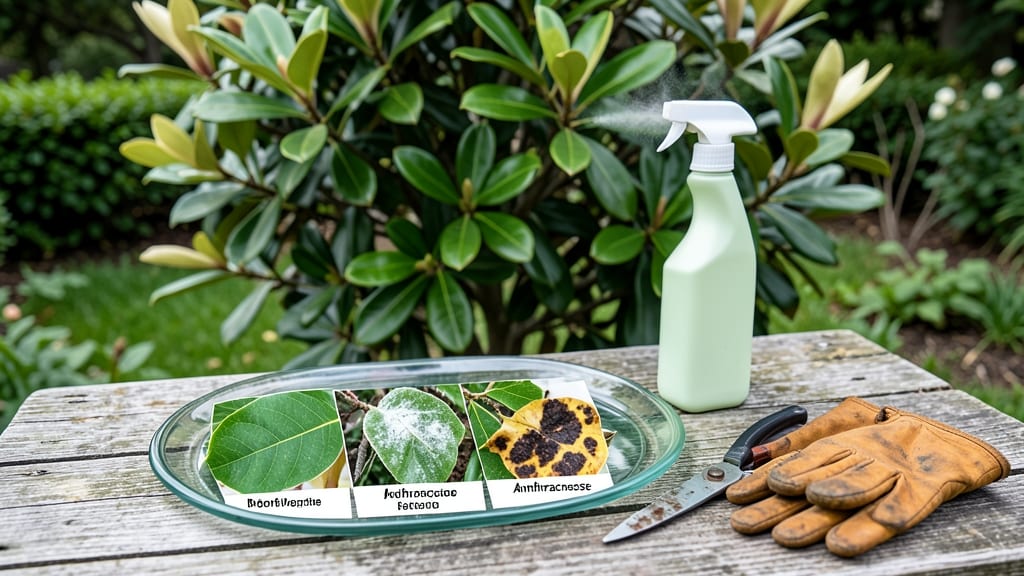
Your magnolia bush’s dark, crinkled leaves could signal magnolia bush diseases—one that spreads fast if you wait. 🌿 I’ve seen healthy magnolias turn into sad, skeletal shadows in just a few weeks, and the key to saving them is catching problems early before they take hold.
Most diseases start with too much moisture—whether from rain, poor drainage, or overwatering—and thrive when leaves stay damp. Powdery mildew leaves white dust on foliage, while anthracnose causes dark spots with yellow halos.
Bacterial infections often show up as oozing cankers on stems or blackened leaves that crumble at a touch. With the right action—pruning infected branches, improving airflow, and applying targeted treatments—you can bring your magnolia back to full, glossy health.
The sooner you act, the better the odds of keeping those iconic blooms coming year after year. This guide covers the most common threats, what they look like, and exactly how to stop them before they ruin your bush. Let’s get your magnolia fighting fit again.
Root Causes Of Magnolia Stress
Magnolia bushes are stunning additions to any landscape, but they’re not immune to disease—especially when their health takes a turn for the worse. Understanding why these issues arise is the first step to prevention.
Let’s break down the key factors that make your magnolia bush vulnerable to fungal and bacterial threats.
Fungi thrive in damp, humid conditions, and magnolias are particularly susceptible when their environment becomes a breeding ground. Here’s why:
- Poor Air Circulation: Dense foliage or overcrowded plantings trap moisture, creating a humid microclimate. Fungal spores like Phytophthora (root rot) and Botryosphaeria (canker disease) flourish in these conditions.
- Overwatering or Waterlogged Soil: Magnolias hate soggy roots. Excess water suffocates roots, weakening their defenses and inviting fungal invaders. Fusarium and Pythium are common culprits in waterlogged soil.
- High Humidity Without Sunlight: Shady, damp spots (like under trees or in poorly drained areas) keep leaves wet for long periods. This encourages Anthracnose and Powdery Mildew to spread rapidly.
💡 Pro Tip: Space magnolias 10–15 feet apart for airflow, and water at the base—not overhead—to keep foliage dry.
Bacteria like Xanthomonas (bacterial leaf spot) and Pseudomonas (bacterial blight) don’t just appear—they exploit openings. Here’s how:
- Physical Damage: Pruning cuts, storm wounds, or insect bites create entry points. If tools aren’t sterilized, bacteria hitchhike into the plant.
- Splashed Water or Rain: Heavy rains can splash bacterial spores from infected leaves or soil onto healthy ones, especially if the bush is stressed.
- Poor Sanitation: Leaving fallen leaves or debris near the base provides a home for bacteria. Erwinia (a soft rot bacterium) thrives in decaying organic matter.
✨ Prevention Hack: Sterilize pruners with rubbing alcohol between cuts, and remove fallen leaves promptly to break the bacterial cycle.
Magnolias under stress are easier targets. Common stressors include:
| Stressor | How It Helps Diseases Take Hold |
|---|---|
| 🔥 Extreme Heat or Drought | Drought weakens roots, making them susceptible to Verticillium wilt. Heat stress also reduces the plant’s ability to fight off pathogens. |
| ❄️ Frost or Cold Snaps | Freeze damage cracks bark, inviting Nectria canker bacteria. Winter desiccation (dry, cold air) also stresses foliage. |
| 🌿 Nutrient Deficiencies | Low nitrogen or potassium weakens cell walls, making tissues more vulnerable to fungal penetration (e.g., Armillaria root rot). |
🎯 Action Step: Mulch with 2–3 inches of organic matter (like pine bark) to regulate soil temperature and retain moisture.
By addressing these root causes—whether it’s improving airflow, fixing irrigation, or reducing stress—you’ll give your magnolia bush the best shot at staying healthy and disease-free. 🌿
Quick Fixes for Common Magnolia Troubles
Revitalize your magnolia bush with these targeted solutions—each tailored to the root cause of the problem. Whether it’s fungal infections, bacterial attacks, or environmental stress, these steps will help restore your plant’s health. Prevention tips are included to keep future issues at bay!
Fungal diseases like powdery mildew, anthracnose, or root rot thrive in damp conditions. Act fast to stop the spread and save your magnolia.
🔪 Remove Infected Areas
- Use sterilized pruners (wipe with rubbing alcohol between cuts) to trim away yellowed, spotted, or mushy leaves and stems.
- Cut at least ½ inch below the infected area to ensure you remove the fungus entirely.
- Dispose of infected debris in the trash (not compost)—fungi can survive in compost piles.
💦 Improve Airflow & Drainage
- Thin out dense foliage to allow sunlight and air to circulate.
- Raise garden beds or add gravel to improve drainage if your magnolia sits in soggy soil.
- Water at the base (avoid overhead sprinkling) and water in the early morning so leaves dry quickly.
🛡️ Apply Fungicide
- Neem oil (natural fungicide) or copper-based fungicides (like Bordeaux mixture) work well for early-stage infections.
- Spray in the evening to reduce leaf burn from sunlight.
- Reapply every 7–10 days or after rain until the problem clears.
💡 Prevention Tip:
✨ Mulch properly—keep mulch 2–3 inches away from the trunk to prevent moisture buildup. Use pine straw or gravel instead of thick organic mulch if fungal diseases are recurrent.
Bacterial leaf spot or canker causes oozing sores and wilting. Unlike fungi, bacteria can’t be cured, but you can contain and prevent further damage.
🚫 Isolate the Plant
- Move infected magnolias at least 10 feet away from healthy ones to prevent spread.
- Avoid cross-contaminating tools—sterilize pruners between plants.
🧼 Sterilize Wounds
- If you see oozing cankers, prune 6 inches below and above the affected area to remove bacteria.
- Seal pruning cuts with pruning sealant (optional but helpful for large wounds).
🌡️ Adjust Care Routine
- Reduce overhead watering—bacteria spread via water splashes.
- Avoid high-nitrogen fertilizers, which promote soft, bacterial-friendly growth. Opt for balanced or low-nitrogen formulas.
💡 Prevention Tip:
🔥 Plant resistant varieties like Magnolia grandiflora ‘Little Gem’ (less prone to bacterial issues) if your area has a history of outbreaks.
Heat stress, poor soil, or pests weaken magnolias, making them vulnerable to diseases. Strengthen your plant’s defenses with these adjustments.
🌞 Provide Shade & Hydration
- Young magnolias need afternoon shade in hot climates (use shade cloth if needed).
- Deep water 1–2 times per week (check soil moisture—top 2 inches should be dry before watering).
🌱 Feed with the Right Nutrients
- Test soil pH—magnolias prefer slightly acidic soil (pH 4.5–6.0). Amend with sulfur or peat moss if needed.
- Avoid over-fertilizing—too much nitrogen leads to weak growth. Use a slow-release, organic fertilizer in early spring.
🐛 Control Pests First
- Scale insects, spider mites, or Japanese beetles weaken magnolias, inviting diseases.
- Spray with insecticidal soap or horticultural oil for soft-bodied pests.
- Handpick beetles in the evening when they’re sluggish.
💡 Prevention Tip:
🎯 Mulch with pine needles or oak leaves—they naturally repel some pests and improve soil acidity over time.
If your magnolia shows rapid wilting, blackened stems, or widespread oozing, it may need professional treatment. A local extension service or arborist can diagnose severe cases and recommend stronger interventions.
Remember: Early action is key! The sooner you address symptoms, the better your magnolia’s chances of bouncing back. 🌿💪
Frequently asked questions
Why do my magnolia leaves suddenly turn brown and crispy at the edges?
This is often a sign of environmental stress rather than disease. Check for drought conditions (water deeply when the top 2 inches of soil are dry) or winter desiccation (mulch heavily in cold months). If the brown edges are paired with yellowing, fungal issues like anthracnose may be at play—prune affected branches immediately.
Can I still save my magnolia if the trunk has blackened cankers with oozing sap?
Bacterial canker is serious, but you can contain the damage. Prune 6 inches below and above the infected area with sterilized tools, then seal cuts with pruning sealant. Isolate the plant and avoid overhead watering. If 50%+ of the trunk is affected, consult an arborist—the bush may need removal to prevent spread.
How do I tell if my magnolia has powdery mildew vs. spider mites?
Check the leaf surface: powdery mildew leaves a white, dusty coating (like flour) on both sides, while spider mites create tiny yellow stipples and webbing. Hold a magnifying glass over the leaves—mildew looks fuzzy, mites leave tiny specks. Treat mildew with neem oil; mites need insecticidal soap.
Is it safe to use homemade fungicide sprays on my magnolia?
Yes, but test first! A 1 tablespoon baking soda + 1 quart water + few drops of dish soap spray works for powdery mildew. For anthracnose, mix 1 teaspoon copper sulfate per gallon of water. Always spray evening hours to avoid leaf burn, and reapply every 7–10 days after rain. Avoid vinegar—it can harm the plant.
When should I call a professional for my diseased magnolia?
If you see rapid wilting, blackened stems, or fungal growth at the soil line, it’s time to call. Root rot or Armillaria root disease often require soil treatment or plant removal. A local extension service can test soil for pathogens and recommend targeted fungicides (like phosphite-based treatments) that aren’t available to home gardeners.