
Pruning
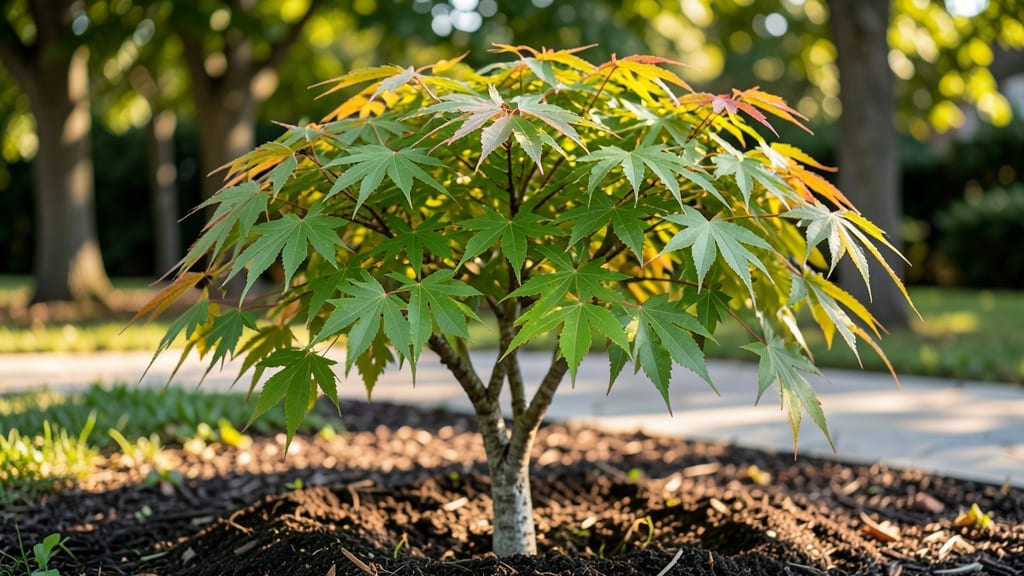
Late-winter pruning transforms your maple bush tree into a spring bloom powerhouse—and I’ve perfected the timing and cuts that make the difference. 🌿 The key? Pruning just before buds swell, when the tree’s energy is dormant but ready to surge into growth.
I’ve seen maples go from sparse, leggy bushes to lush, flower-covered canopies in just one season after mastering this technique.
You’ll need sharp pruners, rubbing alcohol for cleaning cuts, and a clear day when temps are above 40°F—no frost, no rain. The goal is to open up the center for airflow while shaping branches at a 45° angle to encourage strong regrowth.
I cut back about one-third of the oldest branches each year, rotating which ones I trim to avoid over-stressing the tree.
By late spring, you’ll see new shoots bursting from the pruned areas, and those branches will be loaded with bright red or yellow flowers—depending on your variety—that hummingbirds can’t resist.
The tree’s structure stays balanced, and you’ll avoid the common mistake of pruning too late, which delays blooming or invites pests.
This method works for Japanese maples, Amur maples, and other bush-form varieties, even in containers. The only rule? Never prune in summer—wait until next winter’s dormancy to repeat the process. Your maple will thank you with healthier foliage and bigger blooms every year.
📚 In This Guide
- What you need
- Instructions
- Tips and common mistakes
- Wrapping up and next steps
What you need
- ● Pruning shears: Sharp, bypass-style shears (for cuts up to ½ inch thick) – 1 pair
- ● Loppers: Heavy-duty bypass loppers (for cuts up to 2 inches thick) – 1 pair
- ● Pruning saw: Curved-tooth saw (for thick branches over 2 inches) – 1
- ● Garden gloves: Heavy-duty, cut-resistant gloves (to protect your hands) – 1 pair
- ● Disinfectant: 70% isopropyl alcohol or bleach solution (1 part bleach to 9 parts water) – small bottle
- ● Rag or paper towels: For cleaning tools between cuts – small pack
- ○ Extension pole: Optional but helpful for high branches (3-6 feet) – 1
- ● Marking twine or flags: To tag branches for removal (if needed) – small roll
- ● Step stool or ladder: For safe, stable access to higher branches – 1
- ● Sealing wax: To coat large cuts and prevent disease – small tub
- ● Garden bag or bucket: For collecting pruned branches – 1-2
- ● Hand sanitizer: For quick cleanups between cuts – travel-sized
Step-by-Step guide to late-winter maple bush tree pruning
Here’s how I transform my maple bush trees each late winter—cutting back for vibrant spring blooms and healthier growth.
✂️ Step 1: Assess the Tree’s Structure and Health
Start by examining your maple bush tree for dead, diseased, or crossing branches—these are your first targets. I use a sharp pair of pruning shears to make clean cuts at a 45-degree angle, just outside the branch collar where it meets the trunk. This prevents water from pooling and rotting the wound.
Look for weak, thin branches that don’t contribute to the tree’s shape or bloom production. These often grow from the center and compete with stronger limbs. Remove them entirely—you’ll see a noticeable improvement in airflow and sunlight penetration once they’re gone.
✂️ Step 2: Thin Out Overcrowded Branches
Maple bush trees thrive when they have good air circulation, so focus on thinning out rather than just cutting back. Aim to remove 20-30% of the tree’s total branches, prioritizing those that overlap or grow inward. I start at the outer edges and work my way inward, ensuring each cut opens up the canopy.
Watch for water sprouts—those fast-growing, vertical shoots that steal energy from the tree. Snip them off at the base, as they rarely contribute to blooms or structure. You’ll know you’re on the right track when you can see light filtering through the branches from above.
✂️ Step 3: Prune for Shape and Bloom Potential
Now, shape the tree by shortening overlong branches to encourage bushier growth. Cut back to an outward-facing bud or a strong lateral branch, never leaving a stub. For maple bush trees, I typically reduce branches by one-third to one-half of their length—this stimulates new growth and more abundant spring blooms.
Pay special attention to the lower branches—these often get shaded out and should be pruned back more aggressively. After each cut, step back and visualize the tree’s balance. The goal is a rounded, open shape that lets sunlight reach all parts of the canopy.
✂️ Step 4: Clean Up and Apply Protective Measures
Once pruning is complete, sterilize your tools with rubbing alcohol to prevent spreading disease. Remove all clippings from the area—leaving them behind can harbor pests or fungi. I also apply a layer of mulch around the base (but not touching the trunk) to retain moisture and suppress weeds.
If you’ve made large cuts (over ½ inch in diameter), seal them with pruning sealant to protect against decay. For smaller cuts, let them heal naturally—they’ll form a callus over time. Water the tree deeply after pruning to help it recover and prepare for spring growth.
⏰ Step 5: Monitor and Plan for Spring Growth
Keep an eye on the tree in the coming weeks—you’ll notice new buds forming along the pruned branches by early spring. This is a sign your cuts were effective. If any branches look stressed or wilted, they may need additional care, like extra water or fertilizer.
I like to mark the pruned areas with a small flag or note in my garden journal to track progress. By late spring, you should see a fuller, more vibrant tree with stronger blooms. Repeat this process every late winter to maintain health and beauty.
Tips & tricks for perfect maple bush tree pruning
Late-winter pruning transforms your maple bush tree from dormant to dazzling—here's how to avoid common pitfalls and maximize results.
Precision Cuts in Step 1: When removing dead or crossing branches, focus on the branch collar—that swollen area where the branch meets the trunk. Cutting just outside this zone promotes faster healing. I use a sharp bypass pruner for clean cuts, avoiding jagged edges that invite disease. For thicker branches, make the cut at a 45-degree angle to shed water away from the wound.
Thinning Strategy in Step 2: The 20-30% thinning guideline is ideal, but don't be afraid to exceed it if branches are severely crowded. Start with the weakest, inward-growing branches first—these are the ones competing for sunlight and nutrients. Remember, you're creating an open vase shape, not a dense hedge. I find that removing every other branch in crowded areas works best for airflow.
Shape with Purpose in Step 3: When shortening branches, always cut back to an outward-facing bud—this encourages new growth in the direction you want. For maple bushes, I aim for a rounded, slightly tiered shape that mimics their natural form. Avoid cutting into old wood (brown, hardened growth)—new growth only comes from current season's green branches. This targeted approach prevents the tree from becoming top-heavy.
Post-Pruning Care in Step 4: The deep watering after pruning is crucial—it helps the tree recover from stress. I add a 2-3 inch layer of mulch (keeping it 6 inches away from the trunk) to lock in moisture. For large cuts over ½ inch, I use a tree wound sealant containing mycorrhizal fungi to speed healing. This isn't just cosmetic; it prevents fungal infections that could compromise your tree's health for years.
Pro Tips for Maple Bush Tree
- Late-winter pruning transforms your maple bush tree from dormant to dazzling—here's how to avoid common pitfalls and maximize results.
- Precision Cuts in Step 1: When removing dead or crossing branches, focus on the branch collar—that swollen area where the branch meets the trunk.
- Thinning Strategy in Step 2: The 20-30% thinning guideline is ideal, but don't be afraid to exceed it if branches are severely crowded.
Frequently asked questions
Got questions about pruning your maple bush tree for that perfect late-winter trim? You’re not alone! Here are some of the most common queries—plus expert answers to keep your tree thriving.
When is the absolute best time to prune a maple bush tree?
Late winter—right before buds swell but before new growth starts—is ideal. For most maples, this means February to early March in temperate climates. Avoid pruning in fall (risk of disease) or during active growth (stresses the tree). Pro tip: If your area has harsh winters, wait until after the last frost!
How much can I safely cut back my maple bush tree?
Never remove more than 25% of the tree’s canopy in one season. For maple bushes, aim for 10–15% max to avoid shock. Focus on:
- Dead, diseased, or crossing branches
- Suckers at the base
- Overcrowded stems to improve airflow
Why is my maple bush tree oozing sap after pruning? Is it dying?
Nope! Maple trees naturally bleed sap when pruned in late winter—it’s their way of sealing cuts. While it looks alarming, it’s harmless unless:
- The ooze is black, foul-smelling, or oozing from cracks (sign of disease like tar spot).
- You see wilting leaves or dieback (over-pruning or pest damage).
Can I prune a young maple bush tree the same way as a mature one?
Not quite! Young maples (under 3 years) need light shaping—focus on:
- Removing competing leader stems (let 1–2 strong central stems dominate)
- Thinning crowded branches to encourage outward growth
- Avoiding “lion’s tailing” (cutting back to stubs)—this stresses young wood.
What if I miss late winter? Can I prune my maple bush tree later?
Yes, but timing matters! Summer pruning (June–August) is okay for:
- Removing water sprouts (fast-growing vertical shoots)
- Light thinning to improve airflow
Bonus Troubleshooting Table
| Problem | Likely Cause | Quick Fix |
|---|---|---|
| Yellow leaves after pruning | Over-pruning or nutrient loss | Fertilize with balanced 10-10-10 in spring |
| No blooms next spring | Pruned too late or removed flower buds | Prune earlier next year (Feb–early March) |
| Mushroom-like growths at base | Fungal infection (e.g., armillaria) | Remove infected wood + treat with copper fungicide |
Wrapping up and next steps
Pruning your maple bush tree in late winter isn’t just about shaping—it’s about setting the stage for vibrant spring blooms and long-term health. 🌿 By following the right techniques, you’ll encourage stronger growth, better airflow, and fewer pests.
Now that you’re armed with the how-tos and what-to-watch-for, there’s no time like the present to grab those pruners and get started!
Ready to transform your landscape? Mark your calendar for early spring (just after the last frost) and give your maple bush the care it deserves. Your future blooms—and your future self—will thank you!