
Shrubs
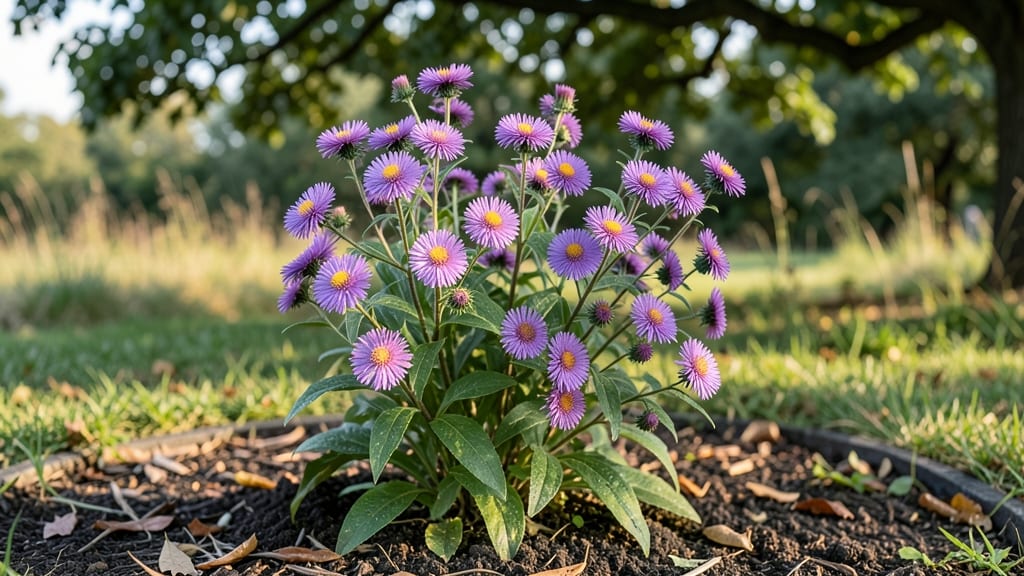
New England bushes don’t just survive winter—they thrive, turning snowy landscapes into vibrant canvases. 🌿 I’ve seen them transform dull corners into year-round focal points, their deep greens, fiery reds, and silvery barks standing out against the white.
These shrubs are the backbone of resilient gardens, offering color when most plants have gone dormant.
They handle our brutal winters with ease, from the tough winterberry holly with its bright red berries to the serviceberry that bursts with white blossoms in spring. Plant them as privacy screens, borders, or pollinator magnets—they’re versatile enough to fit any design while demanding minimal fuss.
Their roots run deep, so they rarely need extra water once established.
Imagine your garden in June with smoke bush blazing pink, or sumac turning fiery orange by fall. These shrubs don’t just fill gaps—they create drama. Pair a clethra (summer sweet) with a spirea for a cottage-garden feel, or let a dwarf ninebark anchor a modern border.
The best part? They’re low-maintenance, deer-resistant, and come back stronger every year.
Whether you’re restoring a historic New England homestead or designing a modern urban yard, these shrubs deliver four-season interest without the high maintenance. Let’s pick the perfect ones for your space—no green thumb required.
📚 In This Guide
- What you need
- Instructions
- Tips and common mistakes
- Wrapping up and next steps
What you need
- ● Shrubs: Choose from New England natives like: 1–3 Clethra alnifolia (Sweet Pepperbush) – 3–5 ft tall
- ● 1–2 Viburnum dentatum (Arrowwood Viburnum) – 4–6 ft tall
- ● 3–5 Hamamelis virginiana (Witch Hazel) – 10–15 ft tall
- ● 2–4 Rhododendron or Azalea varieties – 3–8 ft tall
- ● Soil amendments: 5–10 lbs peat moss or compost (for acid-loving shrubs)
- ● 2–3 lbs slow-release fertilizer (10-10-10 or acid-loving blend)
- ● Mulch: 2–3 bags pine bark or cedar mulch (3–4 inches deep)
- ● Watering tools: 1 hose with adjustable nozzle (or watering can for small plants)
- ○ 1 soaker hose (optional but recommended for deep watering)
- ● Digging tools: 1 shovel (flat and round)
- ● 1 trowel (for transplanting small shrubs)
- ● Safety gear: 1 pair gardening gloves (waterproof)
- ○ 1 knee pad (optional but comfy!)
- ● Pruning tools: 1 bypass pruners (for clean cuts)
- ● 1 loppers (for thicker branches)
- ● ✅ Sunlight assessment: Identify areas with partial shade to full sun (most New England shrubs thrive in 3–6 hours of sun).
- ● ✅ Soil test: Check pH (aim for 4.5–6.0 for acid-loving shrubs like rhododendrons). Local extension offices often offer free tests!
- ● ✅ Planting timeline: Best times are early spring (April–May) or fall (September–October) to avoid extreme temps.
- ● 1 planting grid or stakes (for spacing large shrubs)
- ● 1 spreader or broadcast spreader (for even fertilizer distribution)
- ● 1 plant food (like Espoma Holly-tone for acid-loving plants)
- ● 1 weatherproof plant tag (to track varieties and care notes)
How to select and plant cold-hardy New England shrubs
Here's my battle-tested approach to choosing and establishing shrubs that thrive in harsh winters and deliver color year-round.
🌱 Step 1: Choose Shrubs Matching Your Site Conditions
New England's climate demands shrubs that handle Zone 3-5 winters and your specific light exposure. I focus on four proven performers: serviceberry (Amelanchier) for spring blooms and edible fruit, inkberry holly (Ilex glabra) for evergreen structure, sumac (Rhus typhina) for fiery fall color, and winterberry (Ilex verticillata) for bold red berries in winter.
Assess your site's moisture first—sumac thrives in dry areas while serviceberry prefers moist soil. For shade, inkberry holly handles 2-4 hours of sun daily beautifully, while winterberry demands full sun (6+ hours). I always test soil drainage by digging a 12-inch hole—if water pools after 30 minutes, amend with compost.
🪴 Step 2: Prepare Planting Sites with Proper Amendments
Dig planting holes twice as wide as the root ball but only as deep. This creates space for roots to spread without crowding. I mix the excavated soil with 50% native soil and 50% compost—never use garden soil directly, as it compacts and suffocates roots.
For clay-heavy New England soil, I add 1 part perlite to the mix to improve aeration. Place the shrub so the top of the root ball sits 1 inch above ground level—this prevents rot during spring thaws. Backfill gently, tamping down in 2-inch layers to eliminate air pockets without compacting roots.
☀️ Step 3: Plant and Water for Immediate Establishment
Position shrubs 3-6 feet apart depending on mature size—sumac needs space while inkberry tolerates closer planting. I always plant on a cool, cloudy day to reduce transplant shock. Water deeply before planting to hydrate roots, then place the shrub in the hole and spread roots outward.
Fill the hole gradually while someone else holds the shrub upright. Water immediately after planting with 1 gallon per plant to settle soil around roots. Mulch with 3 inches of shredded bark (not wood chips) keeping mulch 6 inches from stems to prevent rot. This mulch layer insulates roots through winter and retains moisture.
✂️ Step 4: Prune for Structure and Winter Protection
Prune newly planted shrubs only to remove broken branches—never cut back more than 25% of the plant. For serviceberry, I shape lightly in early spring to encourage branching. Sumac and winterberry don't need pruning their first year, but I remove any suckers growing from the base to direct energy into the main plant.
In late fall, I wrap young shrubs with burlap for their first winter if temperatures regularly drop below -20°F. This protection prevents sunscald on bark. I also apply a 2-inch layer of evergreen boughs around the base for additional insulation—these materials break down naturally in spring, adding organic matter.
🌿 Step 5: Maintain Through Seasons for Long-Term Health
Water newly planted shrubs once weekly for the first growing season, providing 1-2 gallons per plant depending on size. After establishment, most New England shrubs handle drought once roots are established. I check soil moisture by pushing a finger 2 inches deep—if dry, water deeply.
Fertilize only if growth is weak—apply ½ cup 10-10-10 fertilizer in early spring before new growth begins. For winterberry, I add a handful of cottonseed meal to encourage berry production. Monitor for pests like scale on inkberry holly and treat with horticultural oil if needed—prevention is easier than cure in New England's short growing season.
Tips & tricks for perfect New England bush landscaping
These battle-tested insights will help you transform your yard into a resilient, year-round showcase of New England's hardiest shrubs.
Site Assessment: Before selecting shrubs, conduct a thorough site analysis. Test soil pH using a simple kit—serviceberry thrives in slightly acidic soil (pH 5.0-6.5), while inkberry holly prefers neutral to slightly acidic (pH 6.0-7.0). For winterberry, aim for pH 5.0-6.0 to maximize berry production. I've found that adjusting pH with elemental sulfur (for lowering) or lime (for raising) can make the difference between struggling and thriving plants in our region's challenging soil conditions.
Root Ball Preparation: When removing shrubs from containers, gently loosen the root ball edges with your fingers to encourage outward root growth. For balled-and-burlapped plants, score the burlap around the root ball with a utility knife before planting—this allows roots to penetrate the surrounding soil immediately. I always do this in Step 2, right after digging the planting hole, to give roots a head start in establishing themselves in their new environment.
Winter Protection Strategy: For shrubs in Zone 3-4 (where temperatures regularly drop below -20°F), consider adding a layer of straw mulch (3-4 inches thick) around the base in late fall, on top of your existing mulch. This creates an additional insulating barrier that prevents soil heaving during freeze-thaw cycles. I've seen dramatic differences in survival rates when using this double-layer approach, especially for young winterberry plants that are particularly vulnerable to cold damage.
Pruning Timing: The most critical pruning window for New England shrubs is actually late winter to early spring, just before buds begin to swell. This timing ensures you're removing dead wood while allowing the plant to focus energy on new growth. For serviceberry, I make my first pruning cut in late February—this gives the plant's vascular system time to heal before the growing season begins in earnest. The 25% pruning guideline in Step 4 is perfect for maintaining plant health without overstressing the system.
Pro Tips for New England Bushes
- These battle-tested insights will help you transform your yard into a resilient, year-round showcase of New England's hardiest shrubs.
- Site Assessment: Before selecting shrubs, conduct a thorough site analysis.
- Root Ball Preparation: When removing shrubs from containers, gently loosen the root ball edges with your fingers to encourage outward root growth.
Frequently asked questions
Got questions about New England bushes? You’re not alone!
Whether you're a first-time gardener or a seasoned landscaper, these cold-hardy shrubs can be tricky to navigate. Here are some of the most common queries—and their answers—to help you pick, plant, and maintain the perfect shrubs for your yard.
What are the best New England bushes for beginners?
Start with clethra (summer sweet), spirea (like ‘Goldflame’), or inkberry holly. These are low-maintenance, disease-resistant, and thrive in New England’s climate. Clethra adds fragrance, while spirea offers vibrant fall color—both are forgiving for new gardeners!
Can New England bushes survive harsh winters?
Native shrubs like winterberry, sumac, and serviceberry are bred for cold resilience (USDA Zones 3–6). For extra protection, mulch heavily in late fall and avoid pruning in late winter—this helps them retain heat and moisture.
When is the best time to plant New England bushes?
Early spring (April–May) or early fall (September–October) are ideal. Soil is workable, and roots establish before extreme heat or cold. Avoid planting in summer—stress from heat/drought can stunt growth. Pro tip: Water deeply after planting to reduce transplant shock!
How do I keep my bushes from getting too leggy or woody?
Prune in late winter/early spring to shape and encourage bushiness. For hydrangeas or azaleas, cut back old wood to stimulate new growth. Avoid heavy pruning in fall—it can leave shrubs vulnerable to winter damage. Thin out crowded branches to improve airflow and reduce pests.
What pests or diseases should I watch for in New England bushes?
Common issues include spider mites (dry conditions), scale insects (sticky leaves), and powdery mildew (humid summers). Prevent pests with neem oil or insecticidal soap. For mildew, improve airflow and avoid overhead watering. Monitor regularly!
Can I replace a dying bush with something similar?
Yes! If your rhodedendron is struggling, try mountain laurel (evergreen, drought-tolerant) or fothergilla (fragrant blooms, great fall color). Compare sunlight, soil, and moisture needs first. Native alternatives often require less care and support local ecosystems.
Wrapping up and next steps
New England bushes are the perfect way to bring year-round beauty to your garden—whether you’re a seasoned gardener or just starting out! 🌿 Their cold-hardy nature and vibrant colors make them low-maintenance stars for any landscape.
With the right selection and care, you’ll enjoy stunning foliage, flowers, and even berries that keep your outdoor space lively in every season.
Ready to transform your yard? Start by picking one or two of these resilient shrubs, then grab your gardening tools and get planting! Your future self—and your neighbors—will thank you. 🌟 Happy gardening!