
Trees
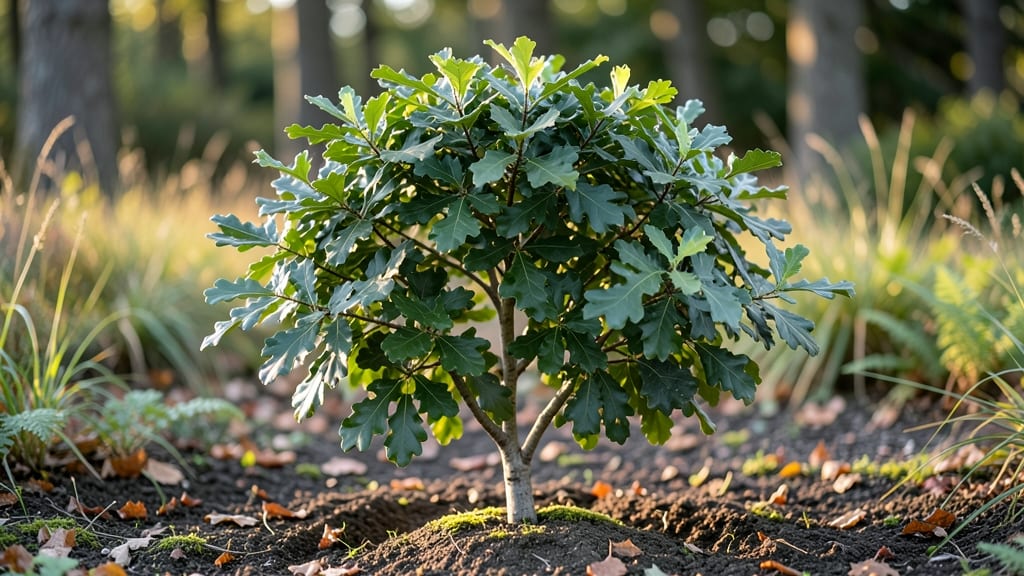
Growing an oak leaf bush transforms any yard into a fragrant, evergreen showpiece. 🌿 These tough plants—like holly oak or pyracantha—thrive with minimal fuss once you understand their simple needs. The secret to their year-round beauty lies in smart pruning and placement, not constant care.
Start with the right spot: 6+ hours of sun and well-draining soil. Most varieties handle drought once established, but young plants need deep watering weekly until roots spread. The real magic happens when you prune after flowering—this encourages dense growth and those signature glossy leaves.
By summer, you'll have a bush bursting with berry clusters (if you choose a fruiting variety) and leaves that smell like fresh air when crushed. The best part? These bushes stay lush through winter, providing structure and color when other plants fade.
Perfect for hedges, privacy screens, or as standalone specimens. Here's how to keep yours thriving through all four seasons—without the guesswork.
📚 In This Guide
- What you need
- Instructions
- Tips and common mistakes
- Wrapping up and next steps
What you need
- ● Oak leaf bush (Quercus ilex or Quercus virginiana): 1-3 nursery-grown plants (3–5 ft tall for faster results) or
- ● Seeds (collect fresh acorns in fall or buy from a reputable supplier) or
- ● Hardwood cuttings (6–12 inches long, ½-inch thick, taken in late winter)
- ● Well-draining soil mix: 50% native soil (or potting mix for containers)
- ● 30% coarse sand or perlite (for drainage)
- ● 20% compost or aged manure (for nutrients)
- ● Organic mulch: 2–3 inches of pine straw, wood chips, or shredded bark
- ● Slow-release fertilizer: 10-10-10 or oak-specific blend (apply in early spring)
- ● Gardening tools: Trowel or hand shovel
- ● Pruning shears (sterilized with rubbing alcohol)
- ● Grafting knife (if propagating from cuttings)
- ● Garden gloves (for protection)
- ○ Container gardening (optional): 1–2 large pots (15+ gallons each, with drainage holes)
- ● Grow bags (for seed starting, 5–7 inches deep)
- ● Watering supplies: Hose with adjustable nozzle or watering can (for gentle hydration)
- ○ Drip irrigation kit (optional, for consistent moisture)
- ● ✅ Sunlight: Full sun (6+ hours daily) or partial shade (for hot climates)
- ● ✅ Climate: USDA Zones 7–10 (adjust watering for extreme heat/drought)
- ● ✅ Space: 10–15 ft apart for mature bushes (or prune to shape)
- ● ✅ Patience: Seed-grown bushes take 3–5 years for significant fragrance; cuttings/grafts mature faster
Step-by-step instructions for planting and pruning oak leaf bushes
Here's how I establish oak leaf hydrangeas for maximum fragrance and long-term health.
🌱 Step 1: Select the Perfect Planting Site
Oak leaf hydrangeas thrive in partial shade—think morning sun with afternoon shade—where they receive 4-6 hours of direct sunlight daily. The ideal spot offers dappled light through trees or a location where they're sheltered from harsh afternoon rays. I always check the site's moisture retention by digging a small hole and feeling how quickly water drains.
These bushes hate soggy roots but also can't tolerate drought. If your soil drains too quickly, amend with 2 inches of organic compost mixed into the planting hole. The goal is soil that holds moisture like a well-wrung sponge—not bone-dry, not swampy. Test this by squeezing a handful of soil—it should crumble when dry but not fall apart completely.
🪴 Step 2: Plant at the Right Depth and Spacing
Dig a hole twice as wide as the root ball but only as deep—never deeper—than the container's root base. Oak leaf hydrangeas develop shallow but extensive roots, so burying too deep suffocates them. Gently remove the plant from its container and loosen any circling roots with your fingers before placing it in the hole.
Space 4 bushes 6-8 feet apart for a fragrant hedge, or plant 3 feet from structures if using as a specimen. Backfill with native soil mixed with 1 part compost to encourage root spread. Water deeply to settle the soil, then add a 2-inch layer of mulch (keeping it 6 inches away from the stem) to retain moisture and regulate temperature.
☀️ Step 3: Establish Year-Round Care Through Pruning
Prune late winter or early spring—just as buds begin to swell—before new growth starts. Remove dead, crossing, or weak branches first, then cut back last year's growth by 1/3 to encourage bushier, more fragrant foliage. I always make cuts just above a leaf node at a 45-degree angle to prevent water pooling.
For established bushes, lightly prune in summer after flowering to maintain shape. Never prune in fall—you risk removing next year's flower buds. Oak leaf hydrangeas bloom on old wood, so pruning too late in the season cuts off potential blooms. Watch for new growth at the tips of branches—this is your cue that pruning is safe.
💧 Step 4: Water and Feed for Maximum Fragrance
Water deeply once a week during the first growing season, ensuring moisture reaches 12 inches down. Mature bushes tolerate occasional drought but reward consistent watering with more intense fragrance. I check soil moisture by inserting my finger—if the top 2 inches feel dry, it's time to water.
Fertilize once in early spring with a balanced, slow-release fertilizer (10-10-10). Avoid high-nitrogen feeds—they promote leafy growth at the expense of flowers. I also top-dress with 1 inch of compost in fall to replenish nutrients. Yellowing leaves? That’s your signal to reduce watering—hydrangeas hate soggy roots.
Tips & tricks for perfect oak leaf bush cultivation
Between us, these simple tricks will help you avoid common pitfalls and maximize fragrance from your oak leaf hydrangeas.
Lighting Strategy: The 4-6 hours of morning sun is non-negotiable for that signature fragrance, but here's the thing—if your yard gets intense afternoon heat, consider planting near a deciduous tree. The shifting shade creates that perfect dappled light effect while still giving you those crucial morning rays. I've seen bushes in full afternoon sun wilt dramatically by late summer.
Root Development Secret: When you're planting, don't just stop at the 2-inch compost amendment—work that compost into the surrounding soil too, not just the hole. Oak leaf hydrangeas develop extensive shallow roots, and this creates a nutrient-rich zone exactly where they need it most. Think of it as creating a "root happy zone" that extends beyond the planting hole.
Pruning Precision: That 1/3 reduction of last year's growth is critical, but timing matters even more. I've learned the hard way that waiting until buds actually swell means you're cutting off potential blooms. Instead, prune when you can see the buds forming but before they've started swelling—this is your window for maximum fragrance next season.
Watering Wisdom: The deep watering once a week is perfect, but here's what nobody tells you—water in the morning. This gives the roots all day to absorb moisture before evening evaporation. I've seen bushes struggle with afternoon watering because the foliage drinks it all up before it reaches the roots. Morning watering also prevents fungal issues that come from wet leaves at night.
Pro Tips for Oak Leaf Bush
- Between us, these simple tricks will help you avoid common pitfalls and maximize fragrance from your oak leaf hydrangeas.
- Lighting Strategy: The 4-6 hours of morning sun is non-negotiable for that signature fragrance, but here's the thing—if your yard gets intense afternoon heat, consider planting near a deciduous tree.
- Root Development Secret: When you're planting, don't just stop at the 2-inch compost amendment—work that compost into the surrounding soil too, not just the hole.
Frequently asked questions
Got questions about nurturing your oak leaf bush? You’re not alone! Whether you’re a newbie or a seasoned gardener, these common queries can help you keep your fragrant beauty thriving. Let’s dive in:
How often should I prune my oak leaf bush for optimal fragrance?
Prune your oak leaf bush twice a year: once in early spring (before new growth) to shape and remove dead branches, and again in late summer after flowering. Avoid heavy pruning in fall—it can stimulate tender growth that won’t survive winter. Light trimming between seasons keeps it lush and aromatic!
Is an oak leaf bush cold-hardy? What zones does it thrive in?
Yes! Oak leaf bushes (like Quercus ilex or Holm oak) are tough and adaptable, thriving in USDA Zones 7-10. In colder zones (6 or below), plant in a sheltered spot, mulch heavily, and water deeply before winter. Young plants may need winter protection like burlap wraps until established.
Why are the leaves on my oak leaf bush turning yellow or brown?
Yellowing or browning leaves often signal overwatering, underwatering, or fungal issues. Check soil moisture—oak leaf bushes prefer well-draining soil and hate soggy roots. Brown edges? It could be drought stress. Fungal spots (like powdery mildew) may need neem oil treatment. Prune affected leaves promptly to improve airflow.
Can I grow an oak leaf bush in a container? What’s the best pot size?
Oak leaf bushes adapt well to containers, especially dwarf varieties like ’Angustifolia’. Choose a pot at least 24 inches wide and deep with drainage holes. Use a mix of potting soil and perlite for aeration. Repot every 2-3 years and fertilize lightly in spring. Just remember: container-grown bushes may need more frequent watering.
What pests commonly attack oak leaf bushes, and how do I treat them?
Keep an eye out for aphids, spider mites, and scale insects, which love oak leaves. Treat mild infestations with a strong water spray or insecticidal soap. For stubborn pests, use horticultural oil in early spring. Encourage natural predators like ladybugs by planting companion flowers (e.g., marigolds or lavender) nearby.
Wrapping up and next steps
Growing an oak leaf bush isn’t just about adding greenery—it’s about crafting a fragrant, low-maintenance centerpiece for your landscape. With the right pruning techniques, soil prep, and patience, you’ll enjoy year-round beauty and that signature earthy aroma for seasons to come. 🌿✨
Ready to take the next step? Start by observing your bush’s growth this season—note how it responds to pruning and adjust your approach. Share your progress or ask questions in gardening forums; every expert was once a beginner!
Then, plan your next pruning session (like a spring cleanup) to keep your oak leaf bush thriving.
Your green thumb is closer than you think—get out there and prune with confidence! 🌱💚