
Transplanting
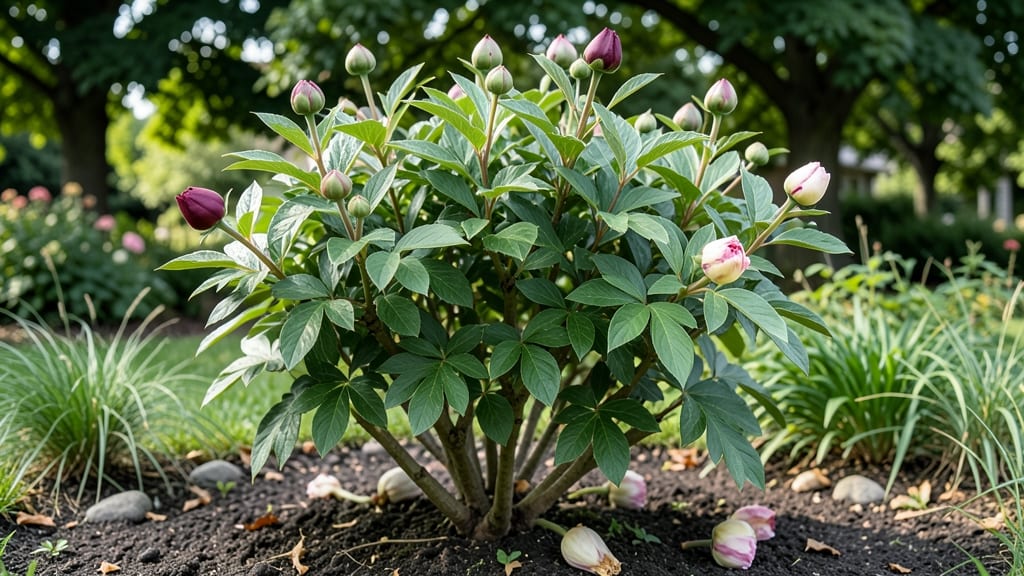
Your peony bush buds are the secret to showstopping spring blooms—and late-winter pruning is where it all begins. ✨ I’ve watched my own peonies go from struggling bushes to the envy of the neighborhood just by mastering this one step.
The key? Timing, sharp cuts, and knowing exactly what to leave behind.
Most gardeners prune too early or too late, and that’s how you end up with weak blooms—or worse, no blooms at all. The perfect window is after the first hard frost but before new growth starts, usually in February or March.
Grab your pruners, gloves, and a bucket for the clippings, and we’ll transform those woody stems into next year’s boldest flowers.
After pruning, your peony’s energy shifts underground, building stronger roots for larger, longer-lasting blooms. Think 10-15% more flowers next spring if you do this right—and fewer floppy stems that need staking. The buds you see now are already forming, so every cut counts.
We’ll also cover soil prep, watering tricks, and what to do if your buds start looking sad (bud blight is a sneaky problem). By the time spring arrives, your peony will be the star of the garden—no more hiding behind hydrangeas or daylilies. Let’s get those shears ready!
📚 In This Guide
- What you need
- Instructions
- Tips and common mistakes
- Wrapping up and next steps
What you need
- ● Pruning shears or loppers: Sharp, clean, and sterilized (bypass pruners work best for precision).
- ● Disinfectant (70% isopropyl alcohol or bleach solution): 1 part bleach to 9 parts water for sterilizing tools.
- ● Garden gloves: Heavy-duty to protect hands from thorns and dirt.
- ● Trash bag or bucket: For collecting pruned foliage and debris.
- ○ Garden twine or plant ties (optional but helpful): If you plan to support new growth.
- ● Pruning saw: For thicker stems (though peonies rarely need this).
- ● Fertilizer (balanced 10-10-10 or compost): To nourish the soil post-pruning.
- ● Mulch: Organic mulch (like straw or shredded leaves) to retain moisture.
- ● Plant marker or labels: If you’re pruning multiple varieties for easy identification.
- ● Choose a dry, mild day (avoid frost or rain within 24 hours).
- ● Ensure your peony bushes are dormant (late winter, before new growth appears).
- ● Have a clear plan: Know which stems to prune (see our guide on identifying healthy vs. dead growth!).
Step-by-Step guide to pruning peony bush buds
Here's how I transform a tangled peony bush into a showstopper—bold blooms start with the right cuts.
✂️ Step 1: Time Your Pruning for Maximum Blooms
Wait until late winter when the ground is still frozen—typically February or March in most climates. This timing ensures you don't cut back new growth that might emerge early. I always prune after the worst winter storms have passed, but before buds begin swelling noticeably.
Look for the classic peony "eyes"—those plump, fuzzy buds clustered along the stems. These are your future blooms. If you see any green shoots emerging, wait another week. Pruning too early can reduce next year's flower count since buds form on last year's growth.
✂️ Step 2: Use the Right Tools and Technique
Grab your sharp bypass pruners—dull blades tear stems and invite disease. Clean them first with rubbing alcohol to prevent spreading any pathogens. I like to make my cuts at a 45-degree angle, about 1/4 inch above a bud or where the branch naturally narrows.
Don't cut into the woody base of the plant—this is where next year's buds form. Remove only dead, crossing, or crowded branches. Leave at least 3-4 strong stems per plant to ensure plenty of blooms. You'll know you're doing it right when you see healthy, plump buds left behind.
☀️ Step 3: Clean Up and Prepare for New Growth
After pruning, gather all the cuttings and dispose of them in the trash—not the compost—since peony diseases like botrytis often hide in old stems. I like to spread a 2-inch layer of mulch around the base to protect emerging buds from late frosts and retain moisture.
Water the base thoroughly after pruning if your winter has been dry. You'll see new shoots emerge within 2-3 weeks if the weather warms up. This is your signal that the plant is ready for spring's full growth cycle.
⏰ Step 4: Monitor for Early Signs of Growth
Keep an eye out for the first signs of life—tiny green tips poking through the soil or along the remaining stems. This usually happens when daytime temperatures consistently reach 50°F. I mark my calendar to check weekly after this point.
If you see any buds that look shriveled or blackened, they may have been damaged by winter dieback. Simply remove them with clean pruners. Healthy buds will plump up and turn a vibrant green as spring approaches. This is when you know your pruning paid off.
Tips & tricks for perfect peony pruning
Here's what I've learned after years of pruning peonies—these little details make all the difference between a few sad blooms and a garden full of drama.
Timing is Everything: I can't stress this enough—prune when the ground is still frozen, but only after those last winter storms have passed. That means checking your local forecast and waiting until you've had at least two weeks of stable, cold weather. I've ruined my spring blooms by pruning too early when new growth was already peeking through the soil. The buds you see now are what will bloom next year, so don't touch them until they're ready!
The 45-Degree Secret: When making those cuts in Step 2, really focus on that 45-degree angle. It's not just about looking pretty—this angle helps water run off the cuts properly, which prevents rot. I like to practice on a scrap piece of wood first if I'm feeling unsure. And always cut just above a bud or where the branch naturally narrows—never into that woody base where next year's buds hide.
Bud Identification: Those fuzzy "eyes" are your golden tickets to next year's blooms. If you're ever unsure which buds to keep, look for the plumpest ones that feel firm to the touch. I've made the mistake of cutting back too aggressively, only to be disappointed with sparse blooms the following spring. Leave those 3-4 strong stems per plant—your future flowers will thank you.
Disease Prevention: After pruning, don't just toss those cuttings in the compost! Peony diseases like botrytis love to hide in old stems. I've learned this the hard way—once I composted pruned stems and ended up with a bush full of blackened buds the next year. Always trash them and clean your tools with rubbing alcohol between cuts. A little prevention goes a long way for those big, bold blooms.
Pro Tips for Peony Bush Buds
- Here's what I've learned after years of pruning peonies—these little details make all the difference between a few sad blooms and a garden full of drama.
- Timing is Everything: I can't stress this enough—prune when the ground is still frozen, but only after those last winter storms have passed.
- The 45-Degree Secret: When making those cuts in Step 2, really focus on that 45-degree angle.
Frequently asked questions
Got questions about peony bush buds and late-winter pruning?
Here are answers to the most common ones—so you can confidently prep your plants for stunning spring blooms!
When is the best time to prune peony buds?
Prune peony bushes after their first hard frost (typically late winter, around February–March) but before new growth starts. This timing ensures you’re cutting spent foliage while leaving next year’s buds intact. Avoid pruning in fall or early winter, as buds may not survive cold snaps.
What if I missed the late-winter pruning window?
Don’t panic! If you’ve already pruned too early, check for green, plump buds (future blooms) still attached. If they’re intact, your peony will likely recover. If you’ve cut them all off, wait until spring—new shoots will emerge, though blooms may be delayed or smaller that year.
How short can I cut peony bushes?
Leave 2–3 inches of stems above the ground—never cut into the crown (the swollen base where buds form). Over-pruning here can kill the plant. Think of it like trimming a bush: just enough to tidy up, not strip it bare!
Will pruning affect next year’s flowers?
No—proper pruning boosts blooms! Removing dead stems improves airflow, reducing disease, and redirects energy to stronger buds. Just avoid cutting into the crown, and you’ll get bigger, healthier flowers next spring. (Pro tip: Take photos of your buds before pruning to track progress!)
What if my peony buds turn brown or mushy?
Brown/mushy buds often signal rot from overwatering, frost damage, or fungal issues. Trim affected stems below the damage with clean shears. Improve drainage, avoid wetting foliage, and consider a light fungicide spray in spring. Healthy soil = happy peonies!
Can I prune peonies if they’re in containers?
Yes! Container-grown peonies follow the same rules, but check for root-bound plants—if roots circle the pot, repot in early spring. Prune lightly if needed, but containers dry out faster, so water deeply after trimming to reduce stress.
Wrapping up and next steps
Pruning your peony bush buds in late winter isn’t just a chore—it’s the secret to stunning, healthy blooms that’ll make your spring garden the envy of the neighborhood! 🌸 By following the right steps—like timing, cutting techniques, and proper tools—you’re setting your peonies up for a showstopping season.
Now that you’re armed with the know-how, there’s no better time to grab those shears and give your peonies the care they deserve.
Ready to transform your garden? Mark your calendar for late winter (just before buds swell) and roll up your sleeves—your future floral masterpiece is waiting! 🌿