
Pruning
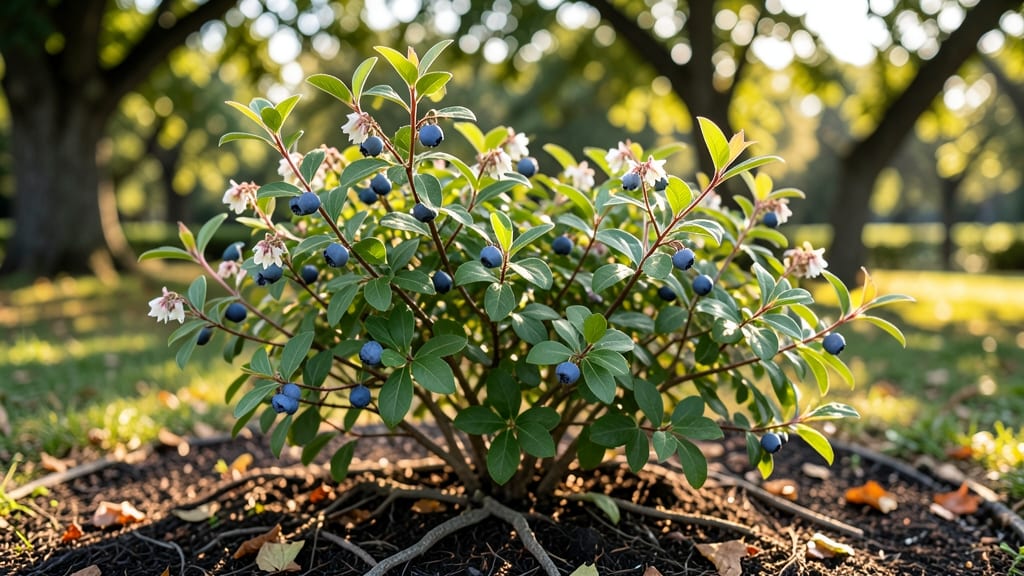
Finding a Pink Lemonade blueberry bush nearby changes your garden from ordinary to showstopping. 🌸 This cultivar isn’t just productive—it’s a fragrant, blush-pink spectacle that turns heads from spring blooms to summer fruit.
I’ve used it as a focal point in my mixed berry border, and neighbors now ask where I got it every year.
The secret to its year-round appeal lies in seasonal trimming: prune after harvest to encourage next year’s blooms, shape it lightly in late winter, and never cut back more than one-third at once.
Pair it with lavender for contrast or let it spill over a raised bed edge—its pink-tinged leaves and fruit add color even when not in bloom. You’ll end up with a low-maintenance superstar that feeds you and delights visitors.
The berries taste like classic blueberries but with a hint of lemony sweetness, perfect for jams or fresh snacking. Plus, the bees adore the spring flowers. For sourcing, check local nurseries specializing in edible landscapes or join gardening Facebook groups—many share plant swaps.
If you’re designing a berry garden, this bush thrives in partial sun and well-draining soil, making it versatile for borders, hedges, or container displays.
📚 In This Guide
- What you need
- Instructions
- Tips and common mistakes
- Wrapping up and next steps
What you need
- ● Pruning shears: Bypass pruners (sharp, clean, and sterilized with rubbing alcohol to prevent disease spread). Avoid dull tools—they crush stems instead of cleanly cutting!
- ● Loppers: For thicker branches (1.5"–2" diameter). Choose bypass-style for precision.
- ○ Hand pruners (optional but handy): For smaller branches or tight spots.
- ● Garden gloves: Heavy-duty, cut-resistant (blueberry bushes have thorns!).
- ● Disinfectant (70% isopropyl alcohol or bleach solution): 1 part bleach to 9 parts water.
- ● Heavy-duty trash bags or bucket: For pruned debris (aim for 2–3 gallons capacity).
- ○ Marking twine or flags: Optional, for tagging branches to remove later.
- ● Timing: Prune in late winter or early spring (before buds swell) or right after harvest (summer). Avoid pruning in fall—it invites pests!
- ● Weather check: Choose a dry, overcast day to minimize stress on the bush.
- ● Safety gear: Safety glasses (in case of debris kickback).
- ● Blueberry bush health: Ensure the bush is well-watered 1–2 days before pruning (hydrated plants heal faster).
- ● Pruning saw: For stubborn, thick branches (3"+ diameter).
- ● Hose with nozzle: For rinsing tools post-prune.
- ● Compost bin: To recycle pruned material (if disease-free).
- ● Notebook & pen: To jot down notes on branch placement or bush shape.
Instructions for reviving your pink lemonade blueberry bush’s fragrant blooms
Here’s how to coax vibrant, fragrant blooms back into your nearby Pink Lemonade blueberry bush—season by season.
✂️ Step 1: Prune for Airflow and Light in Early Spring
Wait until late winter or early spring when the bush is still dormant, but buds have begun to swell. Grab your sharp pruning shears and remove any dead, diseased, or crossing branches at the base. This isn’t just about shaping—it’s about letting sunlight and air reach the center, which is where those fragrant blooms form.
I always start by cutting out 1/3 of the oldest wood—those are the branches that produce fewer berries and weaker blooms. Look for gray or brittle stems—those are done for the season. Make cuts just above a bud or lateral branch to encourage new growth. You’ll see fresh, green shoots emerging within 2-3 weeks if you’ve pruned correctly.
☀️ Step 2: Thin Overcrowded Branches in Late Spring
Once the bush is in full leaf but before the first blooms open, step back and assess. If branches are growing too close together, they’ll compete for nutrients, leading to sparse blooms. Use your shears to remove any branches growing inward or rubbing against others—these create wounds that attract pests and diseases.
Focus on keeping the bush open and vase-shaped. You want sunlight to penetrate to the center of the plant, where most of the fragrant flowers develop. If you see long, leggy branches with few buds, trim them back by half their length. This might seem drastic, but you’ll be rewarded with denser, more fragrant blooms in the next season.
🌱 Step 3: Summer Pruning to Encourage Next Year’s Blooms
After the main harvest but before late summer, do a light pruning to shape the bush and prepare for next year’s flowers. Remove any suckers—those are the aggressive, fast-growing shoots that pop up at the base. These drain energy from the main plant and rarely produce fragrant blooms.
Also, cut back any branches that produced fruit by about 1/3 of their length. This might sound counterintuitive—why remove fruit-bearing branches?—but it redirects the plant’s energy toward developing next year’s flower buds. You’ll notice new green shoots forming at the tips of the remaining branches within 4-6 weeks. These are your future fragrant blooms.
⏰ Step 4: Fall Cleanup for Winter Protection
As temperatures drop and leaves begin to yellow, remove all fallen leaves and debris from around the base of the bush. This prevents fungal diseases like powdery mildew, which can weaken the plant and reduce next year’s blooms. Use a small rake to gather leaves and compost them—just don’t pile them directly against the bush, as this can trap moisture and rot.
If you live in a cold climate, consider mounding a 2-3 inch layer of mulch around the base (but keep it 6 inches away from the trunk). This insulates the roots and protects them from freeze-thaw cycles, which can stress the plant. In warmer climates, a light mulch still helps retain moisture for next spring’s growth.
💧 Step 5: Post-Pruning Care for Stronger Blooms
After pruning, water deeply—about 1 gallon per bush—to help the plant recover. Avoid overhead watering, as wet foliage can lead to fungal issues. Instead, use a soaker hose or water at the base. You’ll see new growth within 2 weeks if the plant is healthy.
Finally, feed the bush with a balanced, acidic fertilizer (like a 10-10-10 or 8-3-9 formula) in early spring and again after harvest. The key here is consistency—blueberries thrive when they get regular nutrients, especially in acidic soil. If your blooms aren’t as fragrant as they used to be, this could be a sign the plant is nutrient-deficient.
Tips & tricks for reviving your pink lemonade blueberry bush
These seasoned strategies will help you transform your blueberry bush into a fragrant, blooming powerhouse—without the guesswork.
Pruning Precision: When you're cutting out that 1/3 of oldest wood in Step 1, look for branches with no visible buds. These are the true energy vampires—sapping resources that could fuel fragrant blooms. I've seen gardeners accidentally remove healthy branches by mistake, so always make your cuts just above a bud or lateral branch. This simple technique ensures new growth emerges exactly where you want it: at the center of the bush where sunlight and air circulation create the perfect conditions for fragrant flowers.
Branch Assessment Technique: In Step 2, when evaluating those leggy branches, use this trick: hold them up to the sky. If they cast a dense shadow, they're blocking light from reaching the center. The goal is to create a "vase shape"—wide at the base, narrowing toward the top. This isn't just about aesthetics; it's about optimizing photosynthesis where it matters most for flower production. Remember, blueberry bushes produce their most fragrant blooms where sunlight penetrates most deeply.
Seasonal Timing Secret: The timing windows in these instructions are critical, but they're also flexible based on your climate. In warmer regions, you might need to do your late spring thinning in early May rather than late May. Watch for the first buds to form—this is your true cue. I've learned this the hard way after pruning too early and accidentally removing flower buds. When in doubt, wait a few extra days rather than rushing the process.
Fertilizer Strategy: For that balanced acidic fertilizer in Step 5, I recommend applying half the recommended dose in early spring and the other half after harvest. This gradual approach prevents nutrient burn while ensuring consistent availability. If you notice yellowing leaves after fertilizing, you're likely overdoing it—blueberries are sensitive to excess nutrients. The key is consistency: regular feeding at the right times is more important than any single application.
Pro Tips for Pink Lemonade Blueberry Bush Nearby
- These seasoned strategies will help you transform your blueberry bush into a fragrant, blooming powerhouse—without the guesswork.
- Pruning Precision: When you're cutting out that 1/3 of oldest wood in Step 1, look for branches with no visible buds.
- Branch Assessment Technique: In Step 2, when evaluating those leggy branches, use this trick: hold them up to the sky.
Frequently asked questions
Got questions about finding, caring for, or maximizing your pink lemonade blueberry bush nearby? Here are some of the most common ones—and their answers!
How do I identify a pink lemonade blueberry bush?
A pink lemonade blueberry bush has bright pink spring blooms that smell like lemonade, followed by deep blue-black berries in summer. Look for glossy, oval leaves and a compact, bushy growth habit. If you’re unsure, check local nurseries—they often label varieties clearly!
When is the best time to prune for pink lemonade blooms?
Prune your bush late winter or early spring (before buds swell) to encourage vibrant blooms. Avoid pruning in fall—this can cut off next year’s flower buds! Use clean, sharp shears and remove dead, crossing, or overcrowded branches for airflow and sunlight.
Can I eat the berries from a pink lemonade blueberry bush?
Yes! These berries are edible, sweet, and juicy—perfect for jams, pies, or fresh snacking. Just ensure your bush isn’t treated with pesticides if you’re harvesting for direct consumption. Pro tip: Wait until berries are fully blue-black and plump for peak flavor!
What if my bush isn’t blooming or fruiting?
Check these fixes:
- Sunlight: Needs 6+ hours of sun daily—move to a sunnier spot if needed.
- Soil: Acidic soil (pH 4.5–5.5) is key. Test your soil and amend with peat moss or sulfur if needed.
- Watering: Keep soil consistently moist but not soggy, especially during fruit set.
- Fertilizer: Use a high-acid, balanced fertilizer in early spring.
Are there alternatives to pink lemonade blueberries for fragrant blooms?
If you love fragrant flowers but want variety, try these:
- Dwarf Lilac – Sweet-scented blooms, low-maintenance.
- Mock Orange – Intense citrusy fragrance, drought-tolerant.
- Blueberry ‘Top Hat’ – Compact, with edible berries and fragrant flowers.
- Hydrangea ‘Annabelle’ – Large, fragrant blooms (though not edible).
Wrapping up and next steps
Reviving your pink lemonade blueberry bush through seasonal trimming isn’t just about aesthetics—it’s a gift to your plant’s health and future harvests! 🌿 With the right tools, timing, and technique, you’ll keep those fragrant blooms thriving and your berries bursting with flavor.
Now that you’re armed with knowledge, there’s no better time to roll up your sleeves and give your bush the care it deserves.
Start by scheduling your next trimming session—whether it’s pruning for winter dormancy or shaping for spring growth. And if you’re feeling inspired, why not share your progress with fellow gardening enthusiasts? Tag us in your photos or join a local plant swap group to swap tips and cuttings.
Happy gardening! 🌸