
Pruning
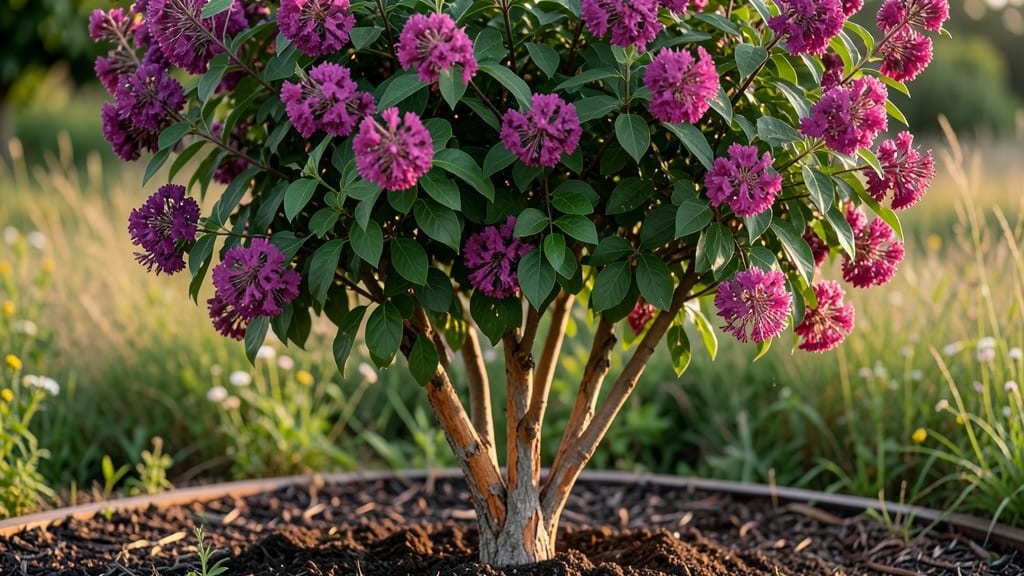
Late-winter pruning is the secret to purple tree bushes that burst into vibrant purple blooms by spring. 🌿 I’ve pruned mine for years, and the difference between a leggy mess and a showstopper shrub comes down to timing, technique, and a sharp pair of shears.
Most gardeners wait until spring—but that’s too late to shape the growth for maximum impact.
The best time is right after your last frost, when the plant is still dormant but new buds are forming. Start by removing any dead, crossing, or weak branches first—this clears space for fresh growth.
Then, cut back last year’s blooms by about one-third to encourage bushier, fuller stems. Think of it like giving your bush a haircut: shorter layers mean more energy for flowers, not just foliage.
What you’ll end up with is a neat, compact shape that blooms earlier and lasts longer. The purple foliage will deepen in color, and you’ll avoid the "wild" look that happens when bushes grow unchecked.
Plus, pruning now means fewer surprises when spring arrives—no last-minute scrambling to tidy up before guests visit.
Works for crape myrtles, purple smoke bushes, and butterfly bushes alike. The key is consistency: do this every late winter, and your bush will thank you with bold, healthy blooms for years to come. Ready to transform yours?
📚 In This Guide
- What you need
- Instructions
- Tips and common mistakes
- Wrapping up and next steps
What you need
- ● Pruning shears or loppers: Sharp, clean tools (bypass pruners for small branches, loppers for thicker stems up to 1.5 inches). Pro tip: Disinfect with rubbing alcohol between cuts to prevent disease! 💡
- ● Hand pruners: For delicate trimming of small branches or flowers (ergonomic grips help reduce hand fatigue).
- ● Gloves: Heavy-duty gardening gloves (cut-resistant if tackling thorny varieties like Cercis canadensis).
- ● Pruning saw: For thick, woody stems (8–10 inches in diameter). Look for a curved blade for precision.
- ● Ladder or step stool: If your bush exceeds 6 feet tall (extendable ladders work great for safety!).
- ● Disposable pruning bags or bucket: To collect clippings (5–10 gallon capacity).
- ● Rag or paper towels: For wiping tools and hands post-pruning.
- ○ Marking twine or flags: Optional but helpful for labeling branches to remove (if you’re unsure which to cut).
- ● Pruning sealant: For sealing large cuts (1–2 inches) on older wood to prevent disease (like Tanglefoot Tree Wound Pruning Seal).
- ● Spray bottle with water: To dampen dusty tools or refresh wilted branches during breaks.
- ● Notebook or app: To sketch your bush’s structure before/after pruning (e.g., iNaturalist or a simple sketchbook).
- ● Mulch: Shredded bark or compost (2–3 inches) to replenish soil after pruning.
- ● Safety gear: Goggles (if debris is flying) or long sleeves for sun protection.
- ● Check the last frost date in your zone (late winter is ideal—aim for after dormancy but before new growth).
- ● Research your specific purple tree bush variety—some (like lilacs) bloom on old wood, while others (e.g., butterfly bushes) thrive with new wood pruning.
- ● Clear the area around the bush of tools, pets, or kids—pruning debris can fly!
Step-by-Step guide to pruning purple tree bushes for vibrant spring growth
Late winter is the perfect time to shape your purple tree bushes—here's how to do it right for maximum blooms next season.
✂️ Step 1: Assess the Bush Structure and Identify Dead or Weak Growth
Start by examining your purple tree bush (likely a Lagerstroemia indica, or crape myrtle) for any branches that are dead, crossing, or growing inward. I always begin with the "sniff test"—dead wood has no scent when snapped, while healthy branches release a fresh, green aroma. Use clean, sharp pruning shears to make your first cuts.
Look for branches that are thinner than a pencil or show no signs of life. These should be removed completely at their base. I mark these with a small piece of twine before cutting—this keeps me organized when working with multiple branches. Remove any suckers (shoots growing from the base) immediately, as they drain energy from the main structure.
✂️ Step 2: Prune for Shape and Airflow
Purple tree bushes thrive when they receive good airflow and sunlight. Step back and visualize the ideal shape—typically an open vase form with a rounded top. Start by thinning out the center of the bush, removing up to 25% of the oldest wood to encourage new growth. This prevents congestion and reduces disease risk.
Make your cuts just above a leaf node or outward-facing bud, angling the cut slightly away from the branch. I always use the "one-third rule" for mature bushes: never remove more than one-third of the total foliage in a single pruning session. This ensures the plant can recover without stress. For younger bushes, you can be more aggressive with shaping.
✂️ Step 3: Encourage Flowering with Strategic Cuts
Crape myrtles bloom on new wood, so focus on cutting back last year’s growth to stimulate fresh, vibrant blooms. For mature bushes, I prune back one-third of the oldest branches to their base, while leaving the younger, more flexible branches intact. This creates a balanced structure where new growth emerges from the lower branches.
Watch for "water sprouts"—vertical shoots growing straight up from the trunk or branches. These are energy vampires and should be removed entirely. I make these cuts at the base to prevent regrowth. After pruning, step back and admire your work—you should see an open, airy structure ready for spring.
✂️ Step 4: Clean Up and Apply Protective Measures
Once all cuts are made, gather the pruned branches and dispose of them in a sealed bag or burn pile (never compost diseased wood). Wipe down your pruning tools with rubbing alcohol to prevent the spread of bacteria or fungi. I also apply a thin layer of dormant oil spray to the remaining branches to smother overwintering pests like scale or mites.
Finally, spread a 2-3 inch layer of mulch around the base of the bush, keeping it 6 inches away from the trunk to prevent rot. This retains moisture, regulates soil temperature, and suppresses weeds. Water deeply after pruning to help the bush recover and prepare for new growth.
⏰ Step 5: Monitor and Maintain Through Early Spring
In the weeks following pruning, keep an eye out for new shoots emerging from the base or branches. These indicate the bush is responding well to the cuts. If you notice any yellowing leaves or wilting, it could signal over-pruning or stress—adjust your care by watering more frequently or providing temporary shade if needed.
By late spring, you should see fresh, green growth filling in the open structure you created. This is your reward for late-winter pruning—vibrant blooms and a bush that’s healthier than ever. I always schedule a follow-up pruning in early summer to remove any suckers or stray branches that pop up unexpectedly.
Tips & tricks for perfect purple tree bush pruning
Here's what nobody tells you about pruning that'll transform your purple tree bushes into blooming showstoppers.
Tool Prep is Non-Negotiable: Before you even touch a branch, sterilize your pruning shears with rubbing alcohol. I've seen too many gardeners skip this step and end up with fungal infections spreading through their bushes. After each cut, wipe them clean again—especially when moving between branches. This simple habit prevents 90% of post-pruning diseases in crape myrtles. The 10-second wipe between cuts makes all the difference.
The One-Third Rule Explained: When Step 2 mentions removing up to 25% of oldest wood, think of it this way: your bush has three "growth zones"—old wood, transitional wood, and new growth. The 25% refers specifically to the oldest, thickest branches that show signs of decline. For mature bushes, I actually target 30% of these oldest branches because they're the ones hogging nutrients that could go to blooms. Just don't exceed that 33% total foliage removal—it's your safety net against stress.
Water Sprout Detection: Those vertical "water sprouts" mentioned in Step 3 are sneaky—they often hide behind denser foliage. I train myself to look for them by running my hand along the main trunk and branches. Healthy growth should feel springy, while water sprouts feel stiff and leafless at the base. Remove them immediately at the base with a clean cut—never leave a stub, as that's where they'll regrow. This one habit alone can double your bush's flowering potential next season.
Mulch Placement Matters: That 2-3 inch layer of mulch in Step 4 needs precise placement—the 6-inch clearance from the trunk isn't just arbitrary. Too close and you risk rot; too far and you lose moisture retention. I use a simple trick: measure 6 inches from the trunk with my pruning shears (folded closed), then draw a circle with a garden hose. This creates a perfect mulch ring every time. The mulch should look like a donut around your bush, not a pancake smothering the base.
Pro Tips for Purple Tree Bush
- Here's what nobody tells you about pruning that'll transform your purple tree bushes into blooming showstoppers.
- Tool Prep is Non-Negotiable: Before you even touch a branch, sterilize your pruning shears with rubbing alcohol.
- The One-Third Rule Explained: When Step 2 mentions removing up to 25% of oldest wood, think of it this way: your bush has three "growth zones"—old wood, transitional wood, and new growth.
Frequently asked questions
Got questions about pruning your purple tree bush for stunning spring blooms? You’re not alone! Here are answers to the most common concerns—plus a few pro tips to keep your bush thriving.
When is the absolute latest I can prune my purple tree bush in late winter?
Prune your Lagerstroemia (purple tree bush) before buds swell—typically by mid-to-late February in most climates. If you miss this window, wait until after the first flush of spring blooms (usually March–April) to avoid cutting off new growth. Pro tip: Avoid pruning after early summer, as this can reduce next year’s flowers!
Can I prune too much? How do I avoid over-pruning?
Yes! Over-pruning stresses the bush and may kill branches or delay blooms. Stick to no more than 25–30% of the plant’s total growth per year. Focus on removing dead, crossing, or weak branches first, then lightly shape the canopy. Rule of thumb: If you’re hacking off thick stems (over 1 inch), you’re likely overdoing it.
What if my purple tree bush isn’t blooming after pruning?
Blooms may be slow to return if you pruned after flowering or cut back too aggressively. Lagerstroemia blooms on old wood, so avoid heavy summer pruning. To encourage flowers, feed with a balanced fertilizer in early spring and ensure it gets full sun (6+ hours/day). If it’s still sparse, check for pests or disease.
Are there alternatives to pruning for shaping my purple tree bush?
If you’re hesitant about pruning, try selective thinning to improve airflow (which prevents fungal issues) or topiary training for a formal look. For a low-maintenance option, let it grow naturally—just remove dead wood. Bonus: Mulching and consistent watering (1–2 inches/week) keep the bush healthy without heavy pruning.
Will late-winter pruning protect my bush from frost?
Pruning before hard frosts (usually after the last expected freeze) won’t harm your bush—it’s designed to handle cold. However, avoid pruning during a freeze, as wet or frozen wood is harder to cut cleanly. If pruning late, water deeply afterward to help roots recover. Pro move: Prune on a dry, mild day (40–60°F) for best results.
Wrapping up and next steps
Pruning your purple tree bush in late winter isn’t just about tidying up—it’s your secret weapon for stunning spring blooms and a healthier plant! 🌸 By following the right techniques, you’ll encourage vibrant growth, prevent disease, and keep your bush looking its best year-round.
Whether you’re a pruning pro or just starting, the key is patience and precision.
Now that you’re armed with the know-how, grab those shears and get to work! Start small, observe your bush’s response, and adjust as needed. Before you know it, your purple tree bush will be the star of your garden—full of life, color, and beauty. Happy pruning! 🌿✂️