
Pruning
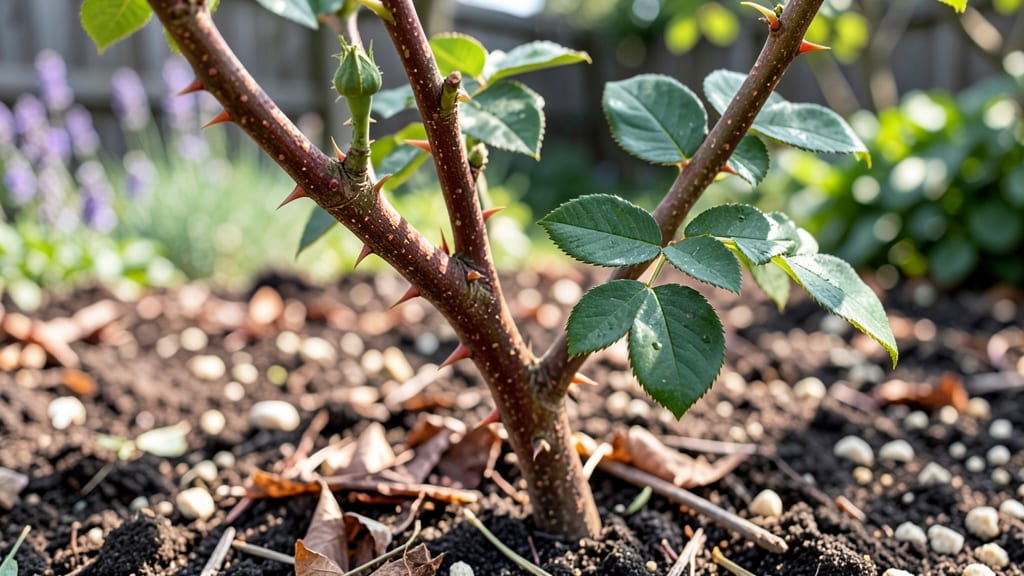
Precision cuts to a rose bush stem can mean the difference between a bush that thrives and one that struggles with disease or pests. ✂️ I’ve spent years watching my roses transform from scraggly to show-stopping—all because I learned when and how to prune those stems properly, even in winter.
The key is timing: late winter or early spring for major cuts, but also light maintenance pruning throughout the year to remove dead wood and diseased canes. Most gardeners overlook summer pruning, which is when you catch pests and diseases before they spread.
I’ve saved bushes from black spot and borers just by making a few strategic cuts. What you’ll end up with is a bush that blooms heavier and longer, with fewer weak stems and more energy going into flowers.
The stems you keep will be stronger, and the ones you remove won’t harbor pests or diseases for next season. This method works for hybrid teas, floribundas, and shrub roses alike—no fancy tools required, just sharp pruners and a little patience. Let’s get those stems looking sharp!
📚 In This Guide
- What you need
- Instructions
- Tips and common mistakes
- Wrapping up and next steps
What you need
- ● Bypass pruners – Sharp, clean, and sturdy (1 pair). Look for ergonomic handles for comfort during long sessions.
- ● Loppers – For thicker stems (½"–1.5" diameter) (1 pair). Choose bypass-style to avoid crushing.
- ● Pruning saw – For stubborn, woody stems >1.5" (1). A curved blade makes clean cuts easier.
- ● Rubbing alcohol (70% or higher) – For sterilizing tools (small bottle). Prevents disease spread!
- ● Garden gloves – Cut-resistant, breathable (1 pair). Protects hands from thorns and debris.
- ● Disposable pruning bags or bucket – For collecting clippings (1). Keeps your workspace tidy.
- ● Handheld leaf blower or broom – Clears debris from the base of the bush post-pruning.
- ● Pruning sealant – For large cuts >½" (small tube). Helps prevent disease entry.
- ● Notebook & pencil – Sketch your rose bush’s structure before pruning to plan cuts.
- ● Knee pads or stool – Makes pruning taller bushes or long sessions more comfortable.
Instructions for precision rose stem pruning
Here's how I keep roses thriving year-round with clean, confident cuts.
✂️ Step 1: Time Your Cuts for Maximum Growth
Spring is your prime window—prune right after the last frost when new buds begin swelling. Look for those fat, plump buds signaling the plant is waking up. Avoid cutting back in fall or winter when the plant is dormant; you'll risk exposing it to cold damage. For summer pruning, focus only on dead or diseased stems to avoid stressing the plant during flowering season.
I always check the weather first. Prune on a dry, overcast day to prevent stress from sun exposure. If you must prune in bright sun, do it in the early morning so stems have time to heal before afternoon heat hits. The goal is to make cuts when the plant can recover quickly.
🌿 Step 2: Identify and Remove Problem Stems
Start by locating stems that are dead, diseased, or crossing others. Dead stems snap easily when bent; diseased ones may show black spots or oozing sap. Crossed stems compete for sunlight and nutrients, so remove the weaker of the two. I like to use my fingers to gently trace each stem's path—this helps me visualize the plant's structure and spot hidden issues.
Next, find stems growing inward toward the center. These crowd the plant and create poor airflow, which invites fungal diseases. Cut these out completely at the base. You'll know you're on the right track when you can see light penetrating the center of the bush—this is crucial for healthy growth.
✂️ Step 3: Make Clean, Angled Cuts at the Right Spots
Use sharp pruners to make cuts just above an outward-facing bud or branch. The angle should be about 45 degrees, sloping away from the bud. This prevents water from pooling on the cut and rotting the stem. I always look for buds that point in the direction I want the plant to grow—this guides the new growth pattern.
Cut about ¼ inch above the bud, never below it. If you cut too low, the bud won't have enough energy to grow properly. For thicker stems, make the cut just outside the bud's collar (the swollen area where leaves attach). This ensures the plant can heal quickly and new growth emerges strong.
☀️ Step 4: Shape the Bush for Airflow and Light
Step back and visualize the plant's final shape. Aim for an open, vase-like form with the center fully exposed. This encourages airflow and reduces humidity where diseases thrive. I like to leave the strongest, most vigorous stems—these will support the plant's growth and flowering.
Remove any stems that are growing straight up without branching. These "watersprouts" drain energy from the plant. Also, cut back any stems that are longer than 3 feet—these often produce fewer blooms and weaker growth. After shaping, your rose bush should look balanced with room for new growth to spread outward.
🪴 Step 5: Clean Up and Protect Your Plant
After pruning, remove all cut stems and debris from the area. Leaving them behind can harbor pests and diseases. I like to sterilize my pruners with rubbing alcohol between cuts to prevent spreading anything harmful. Once done, give the plant a light watering to help it recover from the stress of pruning.
Apply a balanced fertilizer around the base of the plant to support new growth. I use a 10-10-10 formula for roses, following the package instructions. Avoid heavy fertilizing right after pruning—wait a week to let the cuts heal first. Finally, mulch around the base to retain moisture and protect roots from temperature swings.
Tips & tricks for perfect rose bush stem pruning
These small details make all the difference between healthy roses and struggling plants.
The Right Season Matters: Spring pruning right after the last frost is critical because that's when your rose bush naturally starts its growth cycle. I've learned the hard way—pruning too early can shock the plant, while waiting too long means you're cutting back new growth that could have produced blooms. For summer pruning, only remove dead or diseased stems to avoid stressing the plant during its flowering season. This keeps your roses looking their best without sacrificing next year's blooms.
Visual Cues for Healthy Cuts: When making your 45-degree angled cuts in Step 3, look for buds that point in the direction you want new growth to go. These buds will guide your pruning decisions—think of them as your plant's growth roadmap. Also, check that you're cutting about ¼ inch above the bud; this small margin makes a big difference in how quickly the plant recovers. I always test my angle by holding the pruners at 45 degrees against my hand first to get the feel right.
Tool Preparation is Key: Before you start, sharpen your pruners and sterilize them with rubbing alcohol between cuts. Dull blades tear stems instead of making clean cuts, which invites disease. I keep a small bottle of rubbing alcohol in my gardening toolkit specifically for this purpose. Also, clean up all debris after pruning—those cut stems can harbor pests and diseases that will infect your healthy plant. This step takes just a few minutes but prevents major problems later.
Fertilizing Timing: Wait one week after pruning before applying your 10-10-10 fertilizer. The plant needs time to heal from the stress of pruning, and fertilizing too soon can actually set it back. I've seen roses struggle when people fertilize immediately after pruning—it's like giving someone a heavy workout right after surgery. The one-week wait gives your rose bush time to recover and start growing new, healthy stems before it has to focus on feeding.
Pro Tips for Rose Bush Stem
- These small details make all the difference between healthy roses and struggling plants.
- The Right Season Matters: Spring pruning right after the last frost is critical because that's when your rose bush naturally starts its growth cycle.
- Visual Cues for Healthy Cuts: When making your 45-degree angled cuts in Step 3, look for buds that point in the direction you want new growth to go.
Frequently asked questions
Got questions about pruning your rose bush stems? You’re not alone!
Here are some of the most common concerns—and their practical solutions—to keep your roses thriving year-round.
When is the best time to prune rose bush stems?
The ideal time depends on your climate and rose type. Late winter or early spring (just before new growth begins) is best for most roses—this encourages strong blooms. For climbers and ramblers, prune right after flowering to promote new growth. Avoid heavy pruning in fall unless you’re in a warm zone.
How do I know which stems to cut back?
Look for dead, diseased, or crossing stems—these should go first! Cut back to a healthy outward-facing bud (about ¼-inch above it) at a 45-degree angle. Thin out crowded stems to improve airflow, and remove any that are thinner than a pencil or show signs of pests.
What if I prune too late in the season?
Late pruning (after late summer) can stimulate tender new growth that won’t harden off before winter, risking frost damage. If you must prune late, focus on removing only dead/diseased stems and avoid heavy cuts. Roses are resilient—light trims in mild climates are usually fine!
Can I propagate new rose bushes from my pruned stems?
Hardwood cuttings (from dormant stems) or softwood cuttings (from current season’s growth) can root easily. Dip the cut end in rooting hormone, plant in moist potting mix, and keep in bright, indirect light. Water lightly and cover with a plastic bag for humidity. Success rates vary, but it’s a fun (and free!) way to expand your garden!
Why are my rose stems dying after pruning?
If stems are wilting or blackening post-prune, check for over-pruning (cutting too aggressively) or fungal/bacterial infections from dirty tools. Always sterilize shears with rubbing alcohol, and avoid pruning when stems are wet. If you suspect disease, treat with a copper fungicide and remove affected stems immediately.
Wrapping up and next steps
Pruning your rose bush stem isn’t just about aesthetics—it’s the secret to a thriving, disease-resistant, and bloom-packed plant! By mastering the art of precision cuts (whether in winter dormancy or summer growth), you’ll encourage stronger stems, better airflow, and season-long beauty. 🌹✂️
Ready to transform your rose bushes? Start small—pick one bush this season, grab your tools, and practice those clean cuts. Before you know it, your garden will be the envy of the neighborhood! Happy pruning!