
Pruning
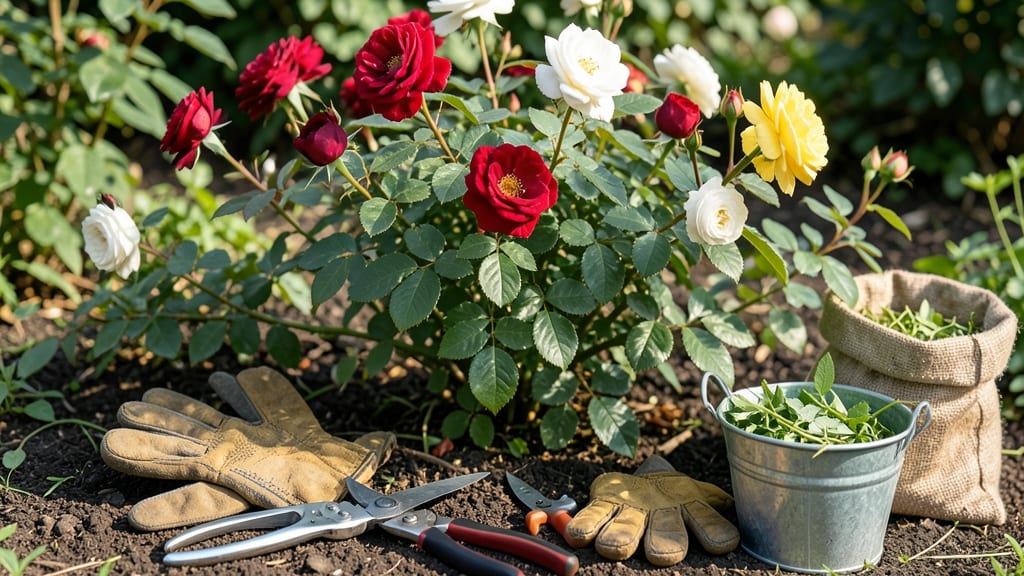
Trimming your rose bush at the right time is the key to doubling next year’s blooms—and late winter is the golden window to get it done.
Struggling to keep your 🌹 thriving? The secret to lush, blooming roses starts with knowing exactly when—and how—to trim them. Late winter is the golden window to shape your bushes for a spectacular spring rebirth.
Most gardeners wait until spring, but cutting too early can damage buds forming underground, while waiting too long risks overgrown canes that crowd out new growth. In USDA Zone 6a, that means getting your shears out by mid-March—just as the days lengthen and soil warms.
Below, I’ll walk you through the exact timing for your climate, the tools you’ll need, and a simple checklist to avoid the three biggest mistakes that kill blooms before they even start.
The perfect late winter rose trimming timeline for maximum blooms
Late winter is the ideal time to trim your rose bushes because it stimulates new growth while the plant is still dormant. This strategic timing ensures your roses burst into vibrant blooms by summer.
The key is understanding your climate zone and rose type—each has unique needs that affect when you should reach for those pruners.
For most USDA zones 3-10, late winter falls between February and early March, but the exact timing depends on whether you've had your last frost. Trimming too early can expose tender canes to cold damage, while waiting too long delays the plant's ability to rejuvenate before spring.
Let's dive into the perfect trimming timeline tailored to your region and rose variety.
Why late winter? Pruning now removes dead or weak canes, opens the bush for better airflow, and encourages the growth of stronger, healthier stems that will produce more blooms. It’s like giving your roses a fresh start—just in time for spring’s warm embrace.
🌹
| USDA Zone | Best Trimming Window | Climate Cues | Rose Type Focus |
|---|---|---|---|
| Zones 3-5 | Late February - Mid March | After last frost risk; soil workable | Hybrid Teas, Floribundas |
| Zones 6-8 | Mid February - Early March | Mild winters; trim before buds swell | Climbing Roses, Shrub Roses |
| Zones 9-10 | td style="padding: 10px; border-bottom: 1px solid #3d7f75;">January - Early FebruaryCool season; avoid heat stress | Old Garden Roses, Miniature Roses |
If you're in USDA zones 3-5, aim for late February to mid-March when the ground is thawed but before buds begin to swell. This timing ensures you’re not trimming too early and risking cold damage or too late and missing the optimal growth window.
For Hybrid Teas and Floribundas, this is especially critical—they thrive on precise pruning to encourage those show-stopping blooms.
In warmer zones (6-8), you can start as early as mid-February, but always wait until the last frost has passed.
These zones often experience milder winters, so the focus shifts to trimming before the plant wakes up for the season. Climbing Roses and Shrub Roses benefit from this early attention, as they need extra structure to support their vigorous growth.
For those in USDA zones 9-10, your window opens even earlier—January to early February.
The goal here is to avoid the heat stress that can come with late winter pruning. Old Garden Roses and Miniature Roses appreciate this gentle approach, as they often have delicate canes that need careful handling.
Weather plays a critical role in timing. Always trim on a dry, overcast day to prevent fungal infections from wet conditions. If rain is forecasted within 24 hours, hold off until the weather clears.
The ideal temperature for pruning is between 40°F and 60°F, giving your roses the best chance to heal quickly.
Pro tip: After trimming, sterilize your tools with rubbing alcohol to prevent the spread of rose diseases like black spot. Then, apply a balanced fertilizer to give your roses the nutrients they need to rebound with vigor.
This is your chance to set the stage for a bloom-filled summer!
✂️
Step-by-step late winter trimming guide: how to cut for healthier roses
Late winter is the perfect time to refresh your rose bushes and set them up for a bloom-packed season. With the right cutting techniques and tools, you can remove dead wood, encourage new growth, and prevent disease—all while shaping your roses for maximum beauty.
The key lies in precision: knowing where to cut and how to angle your pruners for the best results.
Before you begin, gather your tools: bypass pruners for clean cuts, loppers for thicker canes, and a sterilized saw for any stubborn branches. Disinfect your tools with rubbing alcohol to prevent spreading rose diseases like black spot or powdery mildew.
A sharp pair of gloves will protect your hands from thorns while you work. With these basics in hand, you’re ready to transform your roses into healthy, vibrant shrubs.
Step-by-Step Late Winter Trimming Guide
- 🌿 Inspect your rose bush: Remove any dead or diseased canes first. Look for branches that are brown, mushy, or hollow—these won’t recover and should be cut back to the base.
- ✂️ Identify the strongest canes: Choose 3-5 healthy canes per bush (depending on size) to keep. These should be thick, straight, and disease-free. Cut the rest back to the ground.
- 📏 Make 45-degree cuts: For remaining canes, cut just above an outward-facing bud at a 45-degree angle. This angle helps water run off and prevents rot.
- 🌱 Shape the bush: Trim back overcrowded branches to improve airflow. Aim for an open, vase-like shape to encourage sunlight penetration.
- 🧼 Clean up debris: Remove all pruned branches and leaves from the base of the plant. Dispose of diseased material in the trash, not the compost.
- 💧 Water and fertilize: After trimming, water deeply to help the plant recover. Apply a balanced fertilizer (10-10-10) to support new growth.
When trimming, always cut just above a bud that faces outward. This ensures new growth will spread away from the center of the bush, creating a fuller, more airy structure. Avoid cutting too close to the bud—leave about 1/4 inch of space to prevent damage.
If you’re unsure where to cut, imagine a pencil-sized cane: your goal is to maintain its thickness while encouraging thinner, bushier growth.
One common mistake is over-pruning, which can stress the plant and delay blooming. Never remove more than one-third of the bush’s total canes in a single session. Also, avoid cutting into old wood (wood older than 3 years), as it won’t regrow.
Focus on young, flexible canes instead—they’re the key to next year’s vibrant blooms.
After trimming, keep an eye out for new growth signs like fresh green leaves or tiny buds. This confirms your cuts were successful. If your roses look sparse after pruning, don’t worry—spring’s warmth will kickstart their recovery.
Mulch around the base with organic matter to retain moisture and protect roots from temperature swings.
With these steps, your rose bushes will enter spring stronger than ever, ready to reward you with abundant, healthy blooms. Happy pruning! 🌹