
Planting
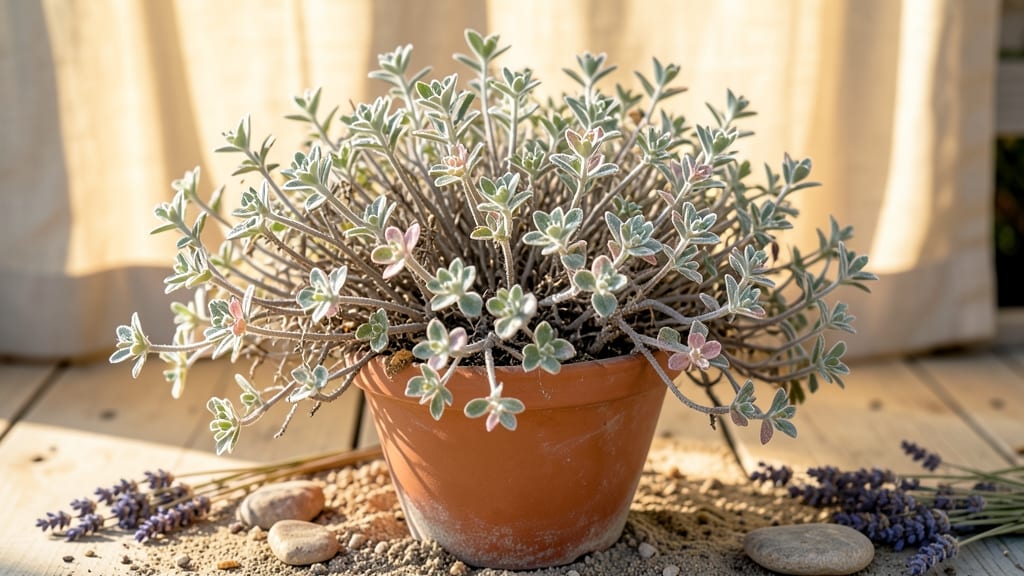
Growing salt bush plants means adding silver-blue foliage that thrives where others fail. 🌿 This hardy shrub handles drought, poor soil, and even salty coastal winds—perfect for gardens that need low-maintenance beauty without compromise.
My first salt bush still stands strong after three years with barely any care, proving its resilience. Salt bush loves full sun and tolerates sandy, rocky, or alkaline soils—ideal for coastal or desert landscapes. Water only when soil feels completely dry, and watch it bounce back from neglect.
Prune lightly after flowering to encourage bushier growth, but don’t overdo it; this plant prefers to grow naturally. By late summer, you’ll see clusters of tiny flowers that attract pollinators, followed by seed pods that add texture. The foliage stays vibrant even in winter, making it a year-round star.
It’s also a wildlife magnet, hosting birds and butterflies while requiring almost no effort. Works in USDA Zones 3-10, from coastal dunes to arid backyards. Here’s how to plant, care, and let nature handle the rest—no fuss, just beauty.
📚 In This Guide
- What you need
- Instructions
- Tips and common mistakes
- Wrapping up and next steps
What you need
- ● Salt bush plant: 1–3 nursery-grown plants (3–6 feet tall, mature size) OR
- ● Seeds (50–100 for a small garden patch) OR
- ● 6–12 healthy cuttings (4–6 inches long, with nodes)
- ● Well-draining soil: Native soil amended with 50% coarse sand or perlite (1–2 cubic yards for a 10’ x 10’ area).
- ● Sunlight access: Full sun (6+ hours daily).
- ● Watering can or hose: With a gentle spray nozzle for seedlings.
- ● Organic mulch: 2–3 inches of gravel or pebbles (to retain moisture and deter weeds).
- ● Garden gloves (to protect from thorns and soil).
- ● Trowel or shovel (for digging holes 12–18 inches deep).
- ● Pruning shears (for trimming dead branches or shaping).
- ● Measuring tape (to space plants 3–5 feet apart).
- ○ Optional: Soil pH tester (ideal range: 6.0–8.0).
- ● Drip irrigation system (for automated watering in dry climates).
- ● Fertilizer (low-nitrogen, balanced 10-10-10 or compost tea).
- ● Climate check: Salt bush thrives in USDA Zones 7–11 (drought-tolerant but frost-sensitive).
- ● Timing: Seeds: Plant in early spring (after last frost).
- ● Cuttings/transplants: Best in fall or early spring.
- ● Site prep: Clear weeds and rocks from the planting area.
Step-by-Step instructions for planting and caring for salt bush
Salt bush thrives with minimal fuss—here’s how to grow it like a pro.
🌱 Step 1: Choose the Perfect Location
Salt bush loves full sun—plant it where it gets at least 6-8 hours of direct sunlight daily. Coastal areas or dry, sandy soil suit it best, but it adapts to well-draining soil in most climates. Avoid low spots where water pools, as soggy roots invite rot.
Dig a hole twice as wide as the root ball but only as deep. The plant’s crown should sit just above soil level—burying it too deep suffocates the roots. Gently loosen the sides of the hole to encourage root spread. If your soil is heavy clay, mix in 1-2 inches of coarse sand to improve drainage.
☀️ Step 2: Plant and Water Deeply
Place the salt bush in the hole and backfill with native soil, pressing lightly to remove air pockets. Water deeply until moisture reaches 6-8 inches down—this encourages roots to grow downward for stability. You’ll know it’s soaked when water drains from the bottom of the hole.
After planting, mulch with 2-3 inches of gravel or pebbles (not organic mulch) to mimic its natural habitat. This keeps roots cool and prevents soil from compacting. Water once a week for the first month, then taper off—salt bush is drought-tolerant once established.
💧 Step 3: Maintain with Minimal Effort
Salt bush needs almost no care once planted. Water only during prolonged dry spells—wilting leaves signal it’s thirsty, but it bounces back fast. Fertilizer is optional: if your soil is poor, apply a low-nitrogen, slow-release granular fertilizer once in spring. Too much nitrogen makes leaves soft and prone to pests.
Prune in late winter or early spring to shape the plant or remove dead growth. Cut back one-third of the oldest stems to encourage new, bushier growth. Salt bush rarely gets pests, but watch for aphids—spray with water if they appear, or use insecticidal soap as a last resort.
✂️ Step 4: Harvest for Beauty or Edible Leaves
Salt bush’s silvery foliage is stunning year-round, but you can also harvest young leaves for tea or seasoning. Snip tips of stems in late summer when leaves are tender. Avoid over-pruning—never take more than 20% of the plant at once to keep it lush.
In colder climates, salt bush may drop leaves in winter but regrows quickly in spring. If you’re in USDA zones 7-10, it’s evergreen. In zones below 7, treat it as a perennial—it’ll come back stronger each year with minimal care.
Tips & tricks for perfect salt bush planting
Real talk: Salt bush is one of those plants that seems too good to be true—until you actually grow it. Here's what nobody tells you about making it thrive.
Sunlight Strategy: That 6-8 hours of sunlight isn't just a suggestion—it's non-negotiable for the best growth. I've seen salt bush in partial shade still survive, but it never reaches that lush, silvery glory. If your yard has afternoon shade, consider planting it where it gets morning sun instead. The key is consistent direct light, not just total hours.
Soil Science: The soil preparation in Step 1 is where most people mess up. Don't just dig a hole—loosen the sides aggressively to create air pockets that encourage root spread. And that 1-2 inches of sand for clay soil? That's not optional. I've had salt bush struggle in heavy clay until I added this amendment, and the difference was night and day. Think of it as giving your plant's roots a breathing space.
Watering Wisdom: The deep watering technique in Step 2 is crucial—you're not just wetting the surface. That 6-8 inch moisture depth ensures roots grow downward where they'll find stability. Pro tip: Use a long screwdriver to check moisture depth after watering. If it comes out dry, keep watering until it's fully saturated at that depth. This one step prevents 90% of salt bush failures.
Mulching Matters: That gravel mulch isn't just decoration—it's a game-changer. The 2-3 inches of pebbles mimics the plant's natural habitat by reflecting sunlight away from the roots (which keeps them cool) and preventing soil compaction. I've seen salt bush in organic mulch that became waterlogged and struggled, while the gravel-mulched plants thrived. It's worth the extra effort for that perfect growing environment.
Pro Tips for Salt Bush Plant
- Real talk: Salt bush is one of those plants that seems too good to be true—until you actually grow it.
- Sunlight Strategy: That 6-8 hours of sunlight isn't just a suggestion—it's non-negotiable for the best growth.
- Soil Science: The soil preparation in Step 1 is where most people mess up.
Frequently asked questions
Got questions about growing salt bush plants? You’re not alone! Here are some of the most common queries—and straightforward answers—to help you thrive with this resilient beauty.
Can salt bush survive in extreme heat or drought?
Absolutely! Salt bush (like Atriplex nummularia) is a drought-resistant superstar. Once established, it thrives in full sun and needs very little water—just occasional deep watering during prolonged dry spells. Its silvery foliage even helps reflect sunlight, reducing heat stress.
How fast does salt bush grow, and when can I expect flowers?
Salt bush grows at a moderate pace, typically adding 12–24 inches per year under ideal conditions. With proper care, you’ll see pink or white flowers in late spring to early summer, followed by seed pods that add texture to your garden. Patience pays off—it’s worth the wait!
Is salt bush toxic to pets or livestock?
Good news for pet owners! Salt bush is non-toxic to dogs, cats, and horses, making it a safe, low-maintenance choice for families. However, always monitor your pets initially to ensure they don’t nibble excessively (some animals may find it unpalatable).
Can I propagate salt bush from cuttings, or do I need to buy new plants?
Yes! Salt bush is easy to propagate from softwood cuttings in spring or early summer. Simply take 4–6 inch cuttings, dip them in rooting hormone, and plant in well-draining soil. Keep them lightly moist until roots form (about 4–6 weeks). Free plants = happy wallet!
What pests or diseases should I watch for with salt bush?
Salt bush is highly resistant to pests, but occasionally you might spot aphids or scale insects. If needed, spray with neem oil or introduce ladybugs for natural control. Overwatering can lead to root rot, so always ensure well-draining soil. Stay vigilant, and your plant will stay healthy!
Wrapping up and next steps
The salt bush plant is a true gem for gardeners seeking resilience and beauty with minimal effort—its drought tolerance, striking foliage, and low-maintenance nature make it a standout choice. Whether you're a seasoned gardener or just starting out, this hardy plant brings both practicality and charm to any landscape. 🌿
Ready to transform your garden? Start small—plant a single salt bush in a sunny spot and watch it thrive with ease. Soon, you’ll be enjoying its unique appeal and its eco-friendly benefits!