
Shrubs
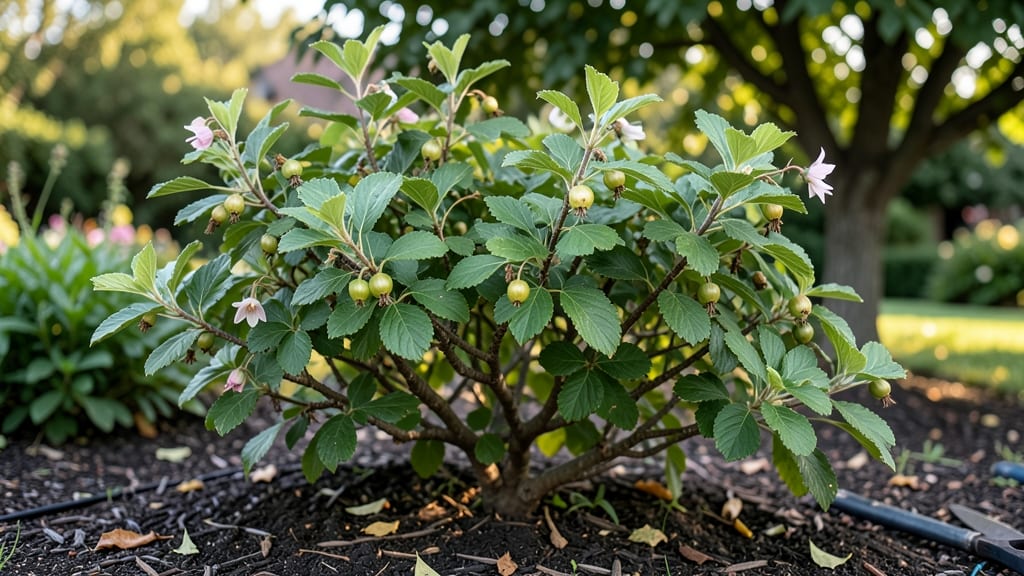
Those small green fruits on your bush could be the start of something delicious—or a sign of trouble. 🌱 I’ve seen gardeners assume the worst, but with the right approach, you might just be growing edible berries, unripe tomatoes, or even thornless kiwi vines.
The key is identifying what you’re dealing with before deciding whether to harvest, prune, or treat for pests.
First, check the plant’s leaves and stems: smooth, waxy leaves suggest tomatoes or peppers, while fuzzy or serrated edges might mean nightshade or other wild berries.
If the bush has vines and leaves shaped like kiwi, you could be growing hardy kiwi varieties—just wait for the fruit to turn golden-brown before harvesting. Overcrowded plants or poor pollination often cause small, underdeveloped fruit, but pests like aphids or diseases like blight can also stunt growth.
To encourage ripening, thin out overcrowded branches and ensure the plant gets enough sunlight and water. For pollination issues, hand-pollinate with a small brush if bees aren’t visiting. If pests or disease are the culprit, isolate the plant and treat with neem oil or insecticidal soap.
With the right care, those tiny green fruits could turn into a bountiful harvest in just a few months.
Whether it’s a thriving kiwi bush or a mystery berry, understanding the plant’s needs is the first step to solving the problem. Let’s break down how to diagnose and fix it so you can enjoy the sweet-tart payoff of your efforts.
Why Fruits Stay Tiny & Green
Understanding why your thornless kiwi fruits remain small and green—despite your best care—starts with uncovering the hidden factors at play. These little green orbs might be signaling that your plant isn’t getting what it truly needs to thrive.
Let’s break down the real culprits behind this frustrating phenomenon, so you can take action and turn those tiny fruits into plump, flavorful harvests.
---
Kiwi vines (Actinidia arguta or deliciosa) are not self-pollinating—they rely on bees, wind, or even human intervention to transfer pollen between male and female flowers. If your bush lacks pollinators or has an imbalance of male-to-female plants, the fruits won’t develop properly.
Why it happens: - Lack of bees/wind: Urban areas, early spring cold snaps, or pesticide use can deter pollinators. - Male-female ratio: A single male vine can pollinate up to six female vines, but too few males = poor fruit set. - Poor flower exposure: Dense foliage or weak stems can block pollen transfer.
Actionable fix: - Hand-pollinate with a soft brush to transfer pollen from male to female flowers (identify flowers by shape—females have a tiny fruit base). - Plant a male vine within 30 feet if you don’t already have one. - Avoid pesticides during bloom (neonicotinoids are especially harmful to bees).
---
Kiwi vines are heavy feeders, especially during flowering and fruiting. If the soil lacks key nutrients, the plant diverts energy to leaf growth instead of fruit development, leaving you with tiny, underdeveloped green fruits.
Why it happens: - Nitrogen excess: Too much N promotes lush leaves but stunts fruit size (a common mistake with fast-release fertilizers). - Potassium (K) or Phosphorus (P) shortage: These are critical for fruit expansion and sugar development. - Micronutrient gaps: Zinc, magnesium, or boron deficiencies can cause poor cell division in fruits.
Actionable fix: - Test your soil (pH should be 5.5–7.0 for kiwi). Use a DIY kit or send a sample to a lab. - Balance your fertilizer: Switch to a low-nitrogen, high-potassium formula (e.g., 5-10-10) in spring and summer. - Add compost or worm castings for slow-release nutrients. - Spray foliar feeds (like seaweed extract or Epsom salt for magnesium) if soil tests reveal deficiencies.
--- Kiwi vines need full sun (6–8 hours daily) and consistent warmth to set and grow fruit. Too much shade, heat stress, or late frosts can halt fruit development, leaving them small and green.
Why it happens: - Insufficient sunlight: Shady spots (e.g., under trees) lead to weak stems and poor fruit maturation. - Temperature swings: Frosts after flowering (below 28°F/-2°C) can kill flowers or young fruits. Heatwaves above 90°F (32°C) can cause fruit drop. - Late planting: Young vines planted after June may not establish roots fast enough for a full harvest.
Actionable fix: - Choose a sunnier spot—kiwi vines tolerate partial shade but never full shade. - Protect from frost with frost cloth or a row cover during bloom. - Mulch heavily (3–4 inches of straw or wood chips) to regulate soil temperature. - Water deeply during heatwaves to prevent stress (drought stress = smaller fruits).
--- Kiwi vines hate soggy roots but also wilting stress. Improper watering leads to poor fruit set and stunted growth.
Why it happens: - Overwatering: Compacted, waterlogged soil cuts off oxygen, leading to root rot and nutrient uptake failure. - Underwatering: Drought stress causes the vine to prioritize survival over fruit growth, resulting in tiny, hard fruits. - Inconsistent moisture: Fluctuating water levels confuse the plant, leading to uneven fruit development.
Actionable fix: - Water deeply 1–2 times per week (1–1.5 inches per session) during dry spells. - Use drip irrigation to deliver water directly to the roots (avoid wetting leaves to prevent disease). - Improve drainage by amending soil with perlite or sand if it’s clay-heavy. - Mulch to retain moisture and prevent soil temperature spikes.
--- Even if your kiwi vine looks healthy, pests and diseases can secretly sap nutrients or damage flowers/fruits, leading to poor development.
Why it happens: - Sap-sucking pests (aphids, scale insects) weaken the vine by feeding on sap, reducing energy for fruit growth. - Fungal diseases (like powdery mildew or botrytis) distort flowers or cause fruit rot, preventing proper swelling. - Birds or rodents may peck at young fruits, stunting their growth.
Actionable fix: - Inspect leaves/stems weekly for pests (look for sticky residue, holes, or discolored spots). - Spray neem oil (organic) or insecticidal soap to deter pests during bloom. - Prune for airflow to prevent fungal diseases (remove crowded or dead branches). - Use netting if birds are a problem (they love ripe kiwi but will snack on developing fruit too).
--- Kiwi vines need strategic pruning to balance fruit production and vine health. Poor pruning leads to overcrowding, weak growth, or too many small fruits.
Why it happens: - Over-pruning: Cutting back too aggressively reduces the vine’s ability to photosynthesize and support fruit. - Under-pruning: Letting the vine get too leggy or dense blocks sunlight and reduces pollination. - Wrong time: Pruning too late in winter (after buds swell) or too early in spring can remove potential fruit buds.
Actionable fix: - Prune in late winter/early spring (just before buds swell) to shape the vine and remove dead wood. - Keep 4–6 main branches (for Actinidia arguta) or 1–2 strong canes (for deliciosa) to maximize sunlight. - Thin out crowded shoots to improve airflow and pollinator access. - Avoid "topping" (cutting the very top of the vine)—this can stunt future growth.
--- Young kiwi vines (under 3 years old) won’t produce large fruits—they’re still establishing roots and canes. Even mature vines may have off-years due to stress.
Why it happens: - First-year vines: Focus energy on root and cane growth, not fruit. - Second-year vines: May produce small, tart fruits as they mature. - Mature vines (3+ years): Should yield larger, sweeter fruit—but drought, disease, or poor care can reset progress.
Actionable fix: - Be patient—give young vines 2–3 years to mature before expecting a full harvest. - Fertilize heavily in year 2 to boost fruit potential for year 3. - Monitor for stress signs (yellow leaves, wilting) and adjust care accordingly.
--- Pro Tip: 💡 Keep a garden journal to track pruning, fertilizing, and watering schedules. Note when flowers appear and whether fruits set—this helps you spot patterns and adjust next season!
Quick Fixes for Bush Fruit Woes
If your thornless kiwi bush is struggling to produce those luscious small green fruits—or if the harvest isn’t living up to expectations—don’t fret! With a few targeted tweaks, you can turn things around. Below, we’ve mapped common issues to simple, actionable solutions, plus tips to keep your bush thriving long-term.
---
Cause: Kiwi vines rely on bees or wind to pollinate flowers, but weak blooms, cold weather, or lack of pollinators can leave fruits underdeveloped.
Fix It: 🔥 Hand-Pollinate Flowers – On cloudy or windless days, gently shake the vine or use a soft paintbrush to transfer pollen from male to female flowers (look for tiny fruits forming—those are female!). 🍳 Plant Companion Flowers – Add bee-friendly blooms like lavender, marigolds, or borage nearby to attract pollinators. 👨🍳 Check Flower Health – Remove wilted or diseased blooms to redirect energy to healthy growth.
Prevent It: ✨ Prune for Airflow – Thin out dense foliage in spring to improve circulation and pollinator access. 🌡️ Protect from Frost – Cover young flowers with frost cloth if night temps dip below 32°F (0°C).
---
Cause: Too many fruits competing for nutrients lead to undersized harvests. Overpruning or poor spacing can also stress the plant.
Fix It: 🔪 Thin the Fruits – Once fruits are the size of a golf ball, remove every other one to leave 6–8 inches between them. Focus on the healthiest-looking ones. 🥘 Fertilize Strategically – Use a balanced fertilizer (10-10-10) in early spring, then switch to a potassium-rich formula (like 0-10-10) when fruits set to boost sweetness. ⏰ Space New Plants Wider – If starting fresh, give vines 8–10 feet of horizontal space (or 6–8 feet for dwarf varieties) to avoid future crowding.
Prevent It: 🎯 Prune in Late Winter – Cut back old wood (over 3 years old) and shape the vine to encourage new, productive growth. 💡 Mulch Well – Apply 2–3 inches of organic mulch (straw or wood chips) to retain moisture and reduce competition from weeds.
---
Cause: Kiwi vines need 6–8 hours of direct sun daily. Shady spots lead to poor flavor and stunted growth.
Fix It: 🌿 Relocate the Vine – If possible, move the bush to a sunnier spot (south-facing is ideal in the Northern Hemisphere). 🍎 Train the Vine – Guide the main stem along a trellis or fence toward sunlight, pruning back shaded branches. 🔥 Use Reflective Surfaces – Place white reflective mulch or mirrors near the bush to bounce extra light onto shaded areas.
Prevent It: 📊 Choose the Right Spot – Before planting, test sunlight exposure for at least a week to confirm it meets the vine’s needs. 💪 Supplement with Grow Lights – In low-light areas, use a small LED grow light (12+ hours/day) during fruiting season for a boost.
---
Cause: Inconsistent watering causes uneven fruit development—too much leads to splitting, too little to shriveled, tart fruits.
Fix It: 👨🍳 Deep Water Weekly – Water at the base (not leaves) for 1–1.5 inches per week, more in extreme heat. Use drip irrigation for consistency. 🥗 Mulch Heavily – Spread mulch 3 inches deep to lock in moisture and reduce evaporation. 🌡️ Adjust for Heatwaves – During dry spells, water every 2–3 days and check soil moisture (stick your finger 2 inches down—if dry, water).
Prevent It: ✨ Install a Rain Gauge – Track rainfall to avoid over- or under-watering. 🎯 Avoid Wetting Leaves – Water early in the day to prevent fungal diseases like botrytis, which can rot fruits.
--- Cause: Birds, slugs, or pests like aphids can devastate a harvest, while fungal issues (like powdery mildew) stunt growth.
Fix It: 🔪 Physical Barriers – Cover young fruits with floating row covers or netting to block birds and insects. 🍳 Homemade Sprays – Mix 1 tsp neem oil + 1 tsp dish soap in 1 quart water, spray on leaves/fruits weekly to deter pests. 👨🍳 Remove Infested Parts – Prune and destroy diseased leaves or fruits immediately to prevent spread.
Prevent It: 💡 Encourage Beneficial Insects – Plant nasturtiums or yarrow nearby to attract ladybugs and lacewings, which eat aphids. 🌡️ Space Out Pruning – Avoid heavy pruning during humid months to reduce fungal risks.
--- Even if the above issues aren’t your problem, these tweaks can enhance your kiwi’s sweetness and size: - Feed with Banana Peel Tea – Blend peels in water, strain, and use as a foliar spray for potassium (which improves flavor). - Harvest at Peak Ripeness – Pick fruits when they’re soft to the touch and have a slight give (they’ll sweeten further off the vine). - Store Properly – Keep harvested kiwis in a paper bag with an apple (ethylene gas speeds ripening) at room temp for 1–2 weeks.
Frequently asked questions
Are those small green fruits on my bush edible?
It depends on the plant! Common edible options include unripe berries (like gooseberries), tomatoes, or thornless kiwi. Check the leaves—smooth, waxy leaves suggest tomatoes, while fuzzy or serrated edges may indicate nightshade (poisonous if unripe). When in doubt, research the plant type or consult a local gardening expert before consuming.
Why are my bush fruits staying small and green?
Small green fruits often signal poor pollination, nutrient deficiencies, or environmental stress. Kiwi vines, for example, need bees or hand-pollination to develop properly. Check for pests (like aphids), ensure 6–8 hours of sunlight, and test your soil—kiwi plants thrive in 5.5–7.0 pH with balanced potassium. Overcrowded branches can also stunt growth.
How can I tell if my bush is producing fruit or weeds?
Compare the plant’s characteristics: edible fruits usually grow on structured bushes with identifiable flowers (e.g., kiwi’s star-shaped blooms), while weeds like nightshade have irregular growth patterns. Look for thorns, leaf shape, and fruit clusters—kiwi fruits grow in pairs, while tomatoes form in small groups. If unsure, snap a photo and use a plant ID app like PlantNet.
Can I force small green fruits to ripen faster?
For kiwi and some berries, patience is key! Place fruits in a paper bag with a banana or apple (ethylene gas speeds ripening) at room temperature. Avoid refrigeration until fully ripe—kiwi needs 2–3 weeks to soften and sweeten. For tomatoes, let them stay on the vine until they turn yellow or red, as vine-ripened flavor can’t be replicated indoors.
What should I do if the fruits turn moldy or rot?
Remove affected fruits immediately to prevent spread. Prune nearby branches for airflow, and treat the plant with a 1% hydrogen peroxide spray (1 part peroxide to 9 parts water) or neem oil. Improve drainage by amending soil with compost, and avoid overhead watering to keep leaves dry. Fungal issues often stem from overwatering or poor circulation.