
Picking
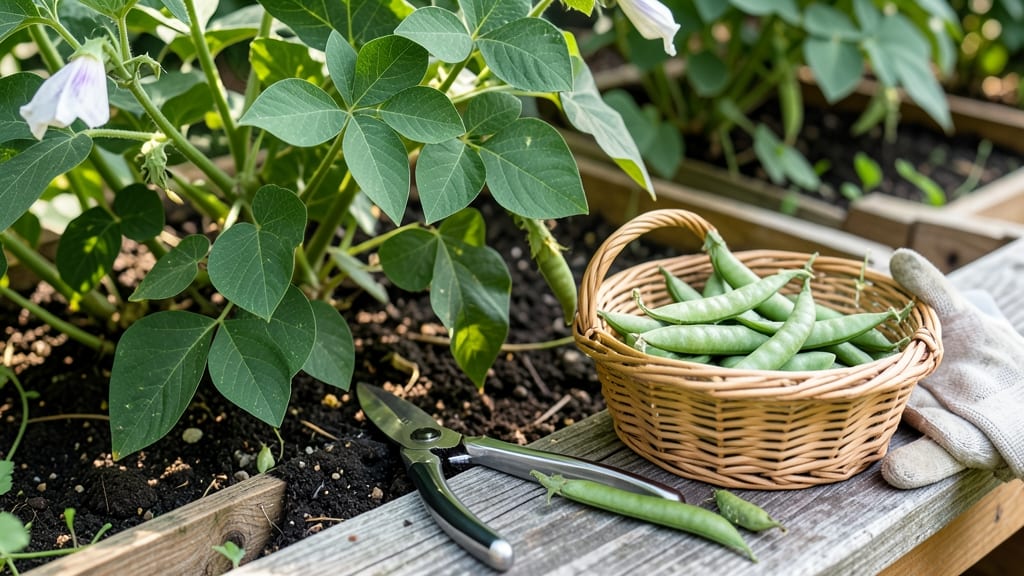
Bush beans are ready to harvest when pods reach 4–6 inches and snap crisply like fresh green beans 🌱—any later, and the flavor turns tough and stringy.
Picture this: You’ve nurtured your plants for weeks, and now the moment of truth arrives. One wrong pick, and you’re left with woody, overripe pods that taste like disappointment. But nail the timing, and you’ll enjoy sweet, tender beans straight from the vine.
Here’s how to spot the perfect harvest window: check for glossy, plump pods that bend slightly but don’t give under pressure. Color matters too—uniform green or purple means peak ripeness, while pale or dull pods need more time.
Below, I’ll break down the exact cues to watch for, how often to harvest for continuous production, and why timing is the secret weapon for a bountiful garden.


How to identify perfectly ripe bush beans by size and color
Timing your bush bean harvest is everything—pick too early, and you’ll get underdeveloped pods with bland flavor. Harvest too late, and the beans turn tough, fibrous, and stringy. The key lies in pod size, color, and texture, all of which signal peak ripeness.
I’ve learned that even a 1-inch difference in length can mean the difference between sweet, tender beans and woody disappointment.
Most bush bean varieties reach harvest readiness around 60-70 days after planting, but visual cues are far more reliable than counting days. Start checking your plants every 2-3 days once pods form, as they mature rapidly.
The best time to harvest is morning after dew dries, when pods are crispest and most flavorful. This simple routine ensures you never miss the window of perfection.
Here’s my foolproof guide to spotting perfectly ripe bush beans, broken down by the three most critical factors: size, color, and tactile feedback.
| Cue | Ready to Harvest | Not Ready | Pro Tip |
|---|---|---|---|
| Pod Length | 4–6 inches | <3 inches or >6 inches | Measure with your thumb—ideal pods fit between your thumb and index finger. |
| Color | Vibrant green or purple | Pale, dull, or yellowing | Look for uniform color—no streaks or fading. |
| Texture | Firm, glossy, snaps cleanly | Soft, wrinkled, or mushy | Gently squeeze—ready pods feel crisp like fresh celery. |
| Seed Development | Small, barely visible seeds | Large, swollen seeds | Peek inside—seeds should be tiny or invisible. |
| Time of Day | Early morning | Late afternoon | Harvest before 10 AM for peak crispness and flavor. |
Let’s break down each cue in more detail. For pod length, aim for 4–6 inches—this is the sweet spot where beans are fully developed but still tender.
Varieties like Blue Lake or Contender typically hit this size first, while heirlooms like Kentucky Wonder may need a few extra days. I always use my thumb as a ruler: if the pod fits snugly between my thumb and index finger, it’s ready.
The color of your bush beans is another dead giveaway. Ripe pods should be vibrant green (for green varieties) or deep purple (for purple types), with a slight glossy sheen. Dull or yellowing pods mean they’ve overstayed their welcome.
One year, I ignored this cue and ended up with beans that were nearly white inside—a sure sign they’d turned starchy and tough. Always check for uniform color across the entire pod.
Don’t skip the tactile test—this is where many gardeners go wrong. Ready-to-harvest pods should feel firm to the touch and snap cleanly when bent. If a pod bends without snapping or feels soft, it’s past its prime.
I’ve found that gentle pressure with your fingertips is the best way to test texture without damaging the plant. Pro tip: Harvest on a dry, sunny morning when pods are at their crispest.
Inside the pod, you’ll find another clue: the seed development stage. At peak ripeness, seeds should be tiny and barely visible—think of them as pinpricks along the pod’s length. If you can see or feel swollen seeds, the bean has passed its prime and will be tough.
This is a critical cue for stringless varieties, which lose their tenderness quickly once seeds bulk up.
One mistake I see often is assuming all bush beans ripen at the same rate. In reality, different varieties mature differently, and even pods on the same plant can ripen at slightly different times.
For example, Blue Lake beans may be ready in 55 days, while Romano beans can take up to 65 days. Always check the seed packet or plant tag for specific maturity timelines, but rely on visual cues for the final call.
Harvesting at the right time isn’t just about flavor—it’s about encouraging continuous production. Bush beans are prolific producers, but they’ll stop setting new flowers if pods aren’t harvested regularly.
When you pick ripe beans, the plant redirects its energy to producing more flowers and pods. I’ve seen my harvest yield triple simply by picking every 2–3 days during peak season.
Finally, pay attention to the
Common harvest mistakes that ruin bush bean flavor (and how to avoid them)
Even experienced gardeners sometimes pick bush beans at the wrong stage, turning sweet harvests into tough, flavorless pods. The key is recognizing subtle cues that signal overmaturity or underripeness—both of which ruin texture and taste.
I’ve learned the hard way that a single missed harvest window can mean the difference between crisp, tender beans and woody, stringy disappointment.
One of the biggest mistakes is waiting too long for pods to reach their maximum size. While some varieties can grow up to 6 inches, harvesting at 4-5 inches ensures peak flavor.
Overlooking this can lead to beans that are hard and fibrous, with seeds that swell and dominate the pod. Even worse, once beans start developing full-sized seeds, the plant diverts energy away from producing new pods, shortening your harvest window.
⚠️ Warning: Overripe Bush Beans
Signs of overmaturity:
- Pods feel hard and woody (not crisp)
- Seeds are visible through the pod
- Pods crack open easily when dry
Fix it: Harvest every 2-3 days in peak season to prevent overgrowth. Use a sharp knife to avoid damaging stems.
Underharvesting is almost as bad—when beans stay on the vine too long, they lose their sweetness and snap. I once left a batch unchecked for a week, and the once-crisp pods turned dull and mealy.
The solution? Check your plants daily during peak production (late morning is ideal). Look for pods that are plump, glossy, and snap cleanly when bent—these are your ready-to-pick indicators.
Environmental factors also play a sneaky role in flavor. Hot, dry conditions can cause beans to mature faster, making them tougher and less sweet. If your garden is baking under 90°F+ temperatures, prioritize harvesting early in the morning when pods are cool and crisp.
Conversely, cool, cloudy weather slows ripening—don’t rush to pick if pods aren’t meeting size standards, as they may still develop properly.
Another trap? Harvesting unevenly ripened pods. Some beans on the same plant may be ready while others lag behind. To avoid this, pick selectively: start with the largest, firmest pods and leave the smaller ones to mature.
This encourages the plant to focus energy on consistent production rather than overcompensating for missed harvests. Pro tip: Use garden shears to trim pods cleanly without bruising the stems.
Finally, don’t ignore the color clues. While most bush beans are green, some varieties (like Purple Majesty) change color as they mature. If your beans are supposed to stay green but turn yellow or brown, they’re past their prime.
For purple varieties, harvest when pods are deep purple but still vibrant—once they fade to lavender, they’re losing sweetness. Paying attention to these details ensures every bean you pick is a flavorful winner.