
Shrubs
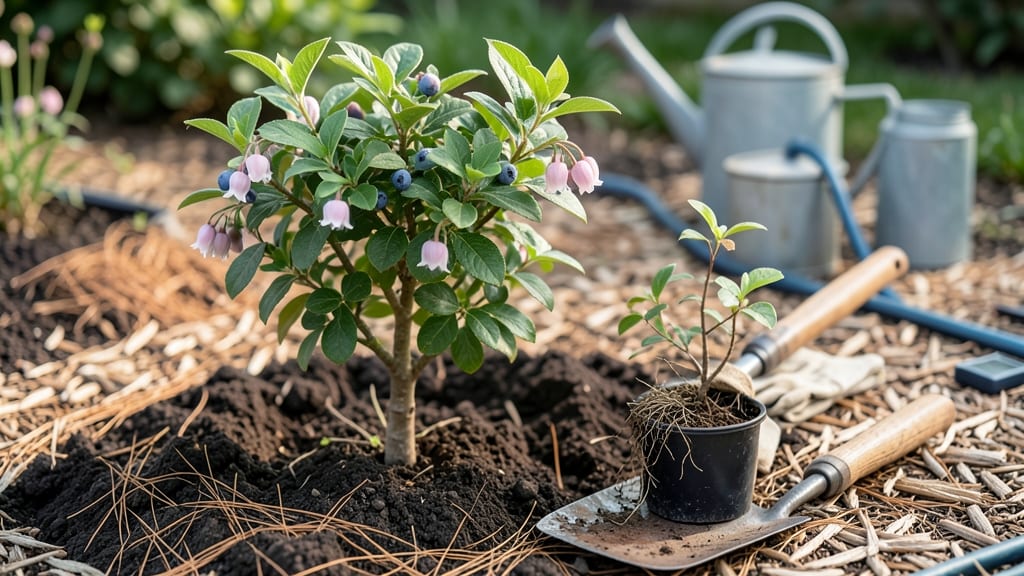
The best time to move blueberry bushes is during late winter dormancy, when the plants are in a resting state and roots are cold-hardy but not yet active. This period, about 4-6 weeks before the last frost, gives roots time to establish before spring growth begins.
Moving blueberry bushes during late winter dormancy gives them the best chance to recover quickly. 🌱 During this time, the plants aren't actively growing, so they experience less stress from the transplant process. The soil is typically cooler and more workable, which helps roots establish without competing with new growth.
I've found that transplanting at this time also reduces the risk of frost damage to newly exposed roots, giving them a head start once spring arrives.
This timing works because blueberries naturally enter dormancy in winter, conserving energy while still maintaining some cold resistance. By waiting until just before the last frost, you avoid transplant shock while ensuring the plant can take full advantage of spring's warmer temperatures to regrow roots aggressively.
The key is balancing early enough to avoid spring's growth rush with late enough to prevent winter's harshest conditions.
💡 In This Article
- Why Late Winter Dormancy Boosts Blueberry Transplant Success
- Step-by-Step Guide for Moving Blueberry Bushes in Late Winter
Why late winter dormancy boosts blueberry transplant success
Blueberry bushes enter a natural dormant state in late winter, which is their biological superpower for surviving transplant stress. During dormancy, the plant's metabolic activity slows dramatically, reducing water loss and energy demands.
This means the roots can focus entirely on healing and establishing new connections in their new location rather than dividing energy between growth and recovery. The ideal temperature range for this process is between 30-45°F, where roots remain cold-hardy but not frozen solid.
One critical factor is soil moisture balance. In late winter, the ground is typically moist from winter rains but not yet saturated like in spring. This creates an ideal medium for root regrowth—wet enough to support cellular activity but firm enough to prevent root rot.
The soil's natural microbial activity also ramps up during this period, breaking down organic matter into nutrients that the newly transplanted roots can absorb immediately. Think of it like giving your blueberry bush a nutrient-rich head start before the growing season even begins. 🌱
What most gardeners overlook is how dormancy aligns perfectly with blueberry bush growth cycles. Blueberries are early spring bloomers, and moving them too late risks damaging new growth that emerges before roots fully establish.
By transplanting in late winter, you're essentially giving the plant a 4-6 week recovery window before spring's growth surge. This timing ensures roots have time to develop a strong network before the plant needs to support flowers and fruit production.
There's also a fascinating temperature threshold at play. Blueberry roots can survive temperatures down to -15°F when dormant, but their ability to regrow is significantly enhanced when soil temperatures stay above 32°F. This is why late winter—when nighttime temps dip but daytime temps gradually rise—is perfect.
The roots stay protected while the plant gradually wakes up, ready to take advantage of spring's warmth for vigorous growth. It's like nature's perfect transplant window.
Consider this comparison: Moving blueberries in spring means competing with the plant's natural growth cycle, which can divert energy away from root establishment. In contrast, late winter transplanting allows roots to focus 100% on recovery without the distraction of new leaves or flowers.
The result? A stronger, more resilient plant that enters its first full growing season with a robust foundation. This is why professional blueberry growers swear by this timing—it's not just tradition, it's biology working in your favor. ✨