
How To
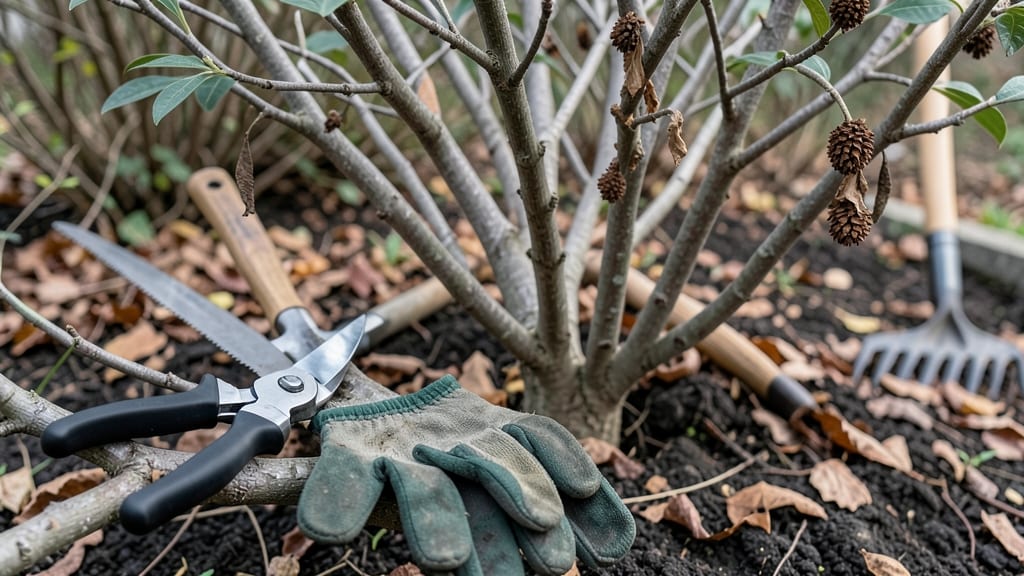
Cutting back your butterfly bush 🦋 for winter at the right time keeps it strong and blooming next spring—here’s the exact window to avoid weakening it.
Miss the late-fall timing, and you risk stunted growth or even inviting pests into your shrub. But get it right, and your butterfly bush will bounce back with healthier stems and more vibrant flowers when spring arrives.
Most gardeners in USDA Zone 6a should trim between mid-October and early November, just before the first hard frost. That gives the plant time to harden off without leaving too much growth exposed to winter’s chill.
Below, I’ll walk you through the step-by-step process, the tools you’ll need, and how to spot if you’ve pruned too early—or too late—and how to fix it.
Best late fall timing to prune butterfly bush before winter
Timing your butterfly bush (Buddleia) prune in late fall is critical—cut too early, and you risk new growth before winter sets in. Cut too late, and frost damage weakens the plant.
The ideal window balances dormancy preparation with frost protection, ensuring your bush rebounds strongly in spring. Let’s break it down by USDA zones and temperature triggers.
In USDA zones 5-6, where winters are harsh, aim to prune 4-6 weeks before the first hard frost. This typically falls between mid-October and early November. For zones 7-9, with milder winters, you have a bit more flexibility—prune between late November and early December.
The key is to finish pruning before temperatures drop below 30°F (-1°C) consistently.
Why this timing? Butterfly bushes enter dormancy as temperatures drop, but they still need time to harden off. Pruning too close to frost can shock the plant, leaving it vulnerable to cold damage and pest infestations.
Conversely, pruning too early can stimulate late-season growth, which won’t survive winter. The goal is to encourage dormancy while removing dead or weak wood.
Frost is your guide. Wait until your area has experienced 2-3 nights below 40°F (4°C), signaling the plant is nearing dormancy. This usually happens in late October for northern regions and November for southern areas. Check your local frost date forecast and prune 2-3 weeks before the first predicted frost. This gives the plant time to seal its wounds before winter.
Here’s how cold temperatures influence your timing: In zones 5-6, where winters are severe, prune earlier to avoid frost damage to fresh cuts. In zones 7-9, you can prune later because milder winters allow more time for healing.
Always prioritize dormancy readiness over calendar dates—your plant’s natural cycle is the best indicator.
If you’re unsure about your local frost dates, use a weather app or check with your local cooperative extension office. They provide hyperlocal frost forecasts tailored to your area. For example, in Chicago (Zone 5b), I prune my butterfly bush by October 20th to avoid early frosts.
In Atlanta (Zone 8a), I wait until November 15th to give the plant more time to prepare.
One common mistake is pruning after the first frost. While the plant may look dormant, cutting back too late can expose frost-damaged wood and invite bacterial infections.
Always prioritize pre-frost pruning—even if the bush still has a few leaves. The goal is to remove dead wood and shape the bush before winter’s chill sets in.
For young butterfly bushes (under 3 years old), prune lightly—just remove dead or damaged branches. Mature bushes can handle a harder prune, including cutting back 1/3 of the oldest stems to encourage new growth in spring.
This rejuvenation pruning is best done in late fall for mature plants, as it gives the roots time to recover before winter.
After pruning, mulch the base with 2-3 inches of organic mulch (like shredded bark or leaves) to insulate the roots and retain moisture. Avoid piling mulch against the stems, as this can trap excess moisture and lead to rot.
Water the base deeply before the first frost to ensure the roots are hydrated for winter dormancy.
Remember, butterfly bushes thrive on routine. If you prune at the same time each year, your bush will adapt to your schedule and reward you with vibrant blooms come spring. Mark your calendar now—your future butter
Step-by-step guide to pruning butterfly bush for winter survival
Pruning your butterfly bush (Buddleia) in late fall isn’t just about tidying up—it’s a critical survival strategy for winter. When done correctly, it removes weak stems and pests’ hiding spots, while encouraging stronger growth in spring.
But timing and technique matter: one wrong cut can stress your plant or leave it vulnerable to frost damage.
Start by gathering the right pruning tools. Use sharp, sterilized pruners or a hand saw for thicker branches. Avoid dull tools—they tear stems, inviting disease.
Wear gloves and long sleeves, as butterfly bush can cause skin irritation in some gardeners. Safety first ensures you focus on the plant’s health, not your own.
- Step 1: Wait for the Right Time
Prune after the first hard frost (typically late October to November in most USDA zones 5-9). This signals the plant to enter dormancy, reducing sap flow and minimizing stress.
- Step 2: Remove Dead or Diseased Wood
Cut back any brown, brittle stems or branches with fungal spots down to the healthy green wood. Dispose of these in the trash—not your compost—to prevent spreading disease.
- Step 3: Thin Out Crowded Branches
Look for crossing branches or those growing inward. Remove 1/3 of the oldest stems at the base to encourage new growth from the center. This improves airflow and sunlight penetration.
- Step 4: Shape the Bush
Use your pruners to trim back overgrown branches by 1/3 of their length. Aim for a rounded, open shape to prevent snow buildup and reduce winter damage.
- Step 5: Clean Up and Mulch
Rake up and dispose of all clippings (they can harbor pests). Apply a 2-3 inch layer of mulch around the base to insulate roots and retain moisture.
Never prune too late in winter—mid-winter cuts can stimulate new growth that won’t survive cold snaps. Also, avoid over-pruning more than 1/3 of the bush at once, as this can shock the plant.
If you’re unsure, err on the side of light pruning now and heavy pruning in early spring.
After pruning, monitor your butterfly bush for signs of stress, like yellowing leaves or wilting branches. If you see these, reduce watering and avoid fertilizing until spring. A well-pruned bush will reward you with vibrant blooms next summer and healthier stems for years to come.
Pro tip: Mark your calendar for late February or early March to do a second pruning if needed. This is when you can shape the bush further and remove any frozen or damaged tips from winter.
With the right care, your butterfly bush will thrive—attracting pollinators and adding beauty to your garden all season long.