
Pruning
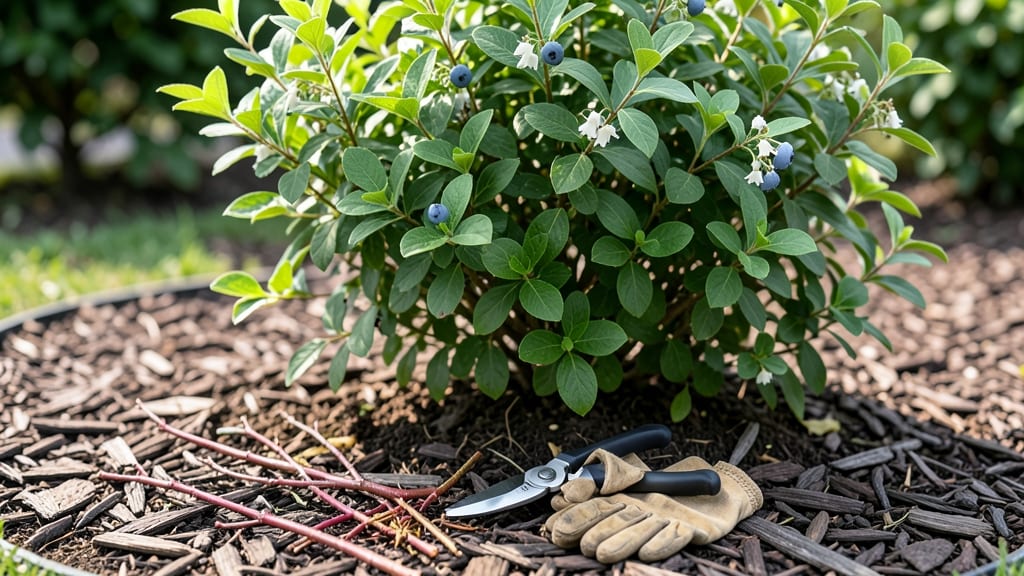
To trim blueberry bushes in Georgia at the right time means catching them in late winter dormancy—just as buds swell but before new growth shoots.
Miss that window, and you risk stunting your 🫐 blueberry harvest by half. Georgia’s mild winters mean bushes wake earlier than in colder zones, so pruning too late can trigger early blooms that frost will kill. The key is knowing when your bushes are almost ready to burst—but not quite.
For 7b-8b zone growers, that’s typically February to early March, right after the last hard frost but before the first signs of green. Rabbiteye varieties need a slightly later trim than highbushes, and coastal areas stay warmer longer.
Get it wrong, and you’ll either prune off next year’s fruit or leave the bush too crowded for airflow.
Below, I’ll walk you through the exact steps—when to cut, what to look for, and how to shape your bushes for bigger yields—so you’re ready the moment those buds start to swell.
Best late-winter pruning timeline for Georgia blueberry bushes
Timing your blueberry bush pruning in Georgia is critical—cut too early, and you risk encouraging early spring growth that frost can kill. Too late, and you miss the optimal dormant season window for shaping your bushes.
The late-winter window (February–March) offers the perfect balance, but regional microclimates like coastal vs. Piedmont areas demand precision.
Georgia’s USDA Zones 7b-8b mean your bushes enter dormancy earlier in the Piedmont region (around mid-December) than in coastal areas (often January). Pruning too soon can stress bushes still recovering from winter, while waiting too long risks overcrowded canes and reduced fruit production.
Let’s break down the month-by-month timeline tailored to your Georgia location.
| Month | Piedmont (North GA) | Coastal (South GA) | Key Conditions | Action |
|---|---|---|---|---|
| January | ❄️ 35–50°F | 🌡️ 40–55°F | Bushes fully dormant; no buds swelling | ✅ Start pruning if no frost forecast |
| February | 🌱 40–60°F | 🌿 45–65°F | Bud swell begins in coastal areas | ✅ Prime pruning window—complete before buds break |
| March | ☀️ 50–70°F | 🌞 55–75°F | New growth visible; risk of frost drops | ⚠️ Finish pruning before buds burst |
In Piedmont Georgia, where winters are cooler, aim to prune by mid-February to avoid early spring warmth that can trick bushes into growing before last frost (typically March 15).
Coastal areas have a slightly later window—prune through early March—since milder temperatures delay bud break. Always check the National Weather Service for frost alerts before pruning.
Your blueberry variety matters too: Rabbiteye varieties (common in Georgia) handle pruning later than highbush types. Rabbiteyes can wait until late February in Piedmont or early March coastally, while highbushes need earlier pruning to prevent canopy disease from trapped moisture.
For both, focus on removing dead, diseased, or crossing canes first—these compete with fruit production.
After pruning, apply a 2–3 inch layer of mulch (pine bark or pine straw) to retain soil moisture and acidity. Avoid fresh wood chips, which can rob nitrogen from your bushes.
In coastal Georgia, where humidity is higher, add fungicide spray (copper-based) to prevent botrytis blight, a common late-winter threat. Monitor for aphid clusters on new growth—spray with soapy water if detected.
One common mistake? Pruning too aggressively and removing more than 1/3 of the canopy at once. Georgia’s heat and humidity demand open airflow, but drastic cuts stress bushes. Instead, thin crowded canes and shape for sunlight penetration.
Use disinfectant on pruners between cuts to prevent bacterial spread. For rabiteye varieties, leave older canes (4+ years) to bear fruit—these produce 70% of your harvest.
Post-pruning, fertilize with ammonium sulfate (1/4 cup per bush) in early March to jumpstart growth. Coastal growers should wait until mid-March to avoid nitrogen burn from warm soils. In Piedmont, where soils are faster-draining, add composted pine fines to improve moisture retention.
Water deeply after fertilizing to help roots absorb nutrients before the peak growing season begins.
If you missed the late-winter window, don’t panic—fall pruning (September–October) is a backup. However, late-winter pruning yields 20–30% larger harvests by removing winter-damaged wood and encouraging stronger new canes.
Mark your calendar for next year: Piedmont growers should prune by February 20, while coastal areas have until March 10 to avoid early spring growth risks.
Pro tip: Take a before-and-after photo of your bushes each year. Over time, you’ll spot patterns—like canes that consistently produce poorly—and adjust your pruning strategy. Healthy bushes in Georgia can live <
How to prune blueberry bushes: step-by-step for Georgia growers
Pruning your blueberry bushes in Georgia isn’t just about shaping—it’s about maximizing next year’s harvest. Focus on removing dead or diseased wood first, as these can harbor pests and diseases that thrive in Georgia’s humid climate.
Use sharp pruning shears to make clean cuts just above a bud or branch collar to prevent infection.
Next, thin out crowded canes to improve airflow, which is critical for reducing fungal issues like botrytis blight. Aim to keep 6-8 strong canes per bush, removing any that rub against each other or grow inward. This opens the canopy to sunlight, ensuring even ripening of your blueberries.
⚠️ callout warning
Pruning too early (before late winter dormancy) can stimulate premature growth, which frost can kill. Wait until after the last frost date (typically mid-March in most of Georgia) but before bud break (usually by late February). Coastal areas like Savannah may need to delay until March 15 to avoid frost damage.
When shaping your bush, avoid cutting into old wood (wood older than 5 years), as it’s less likely to produce fruit. Instead, focus on younger canes (1-3 years old), which bear the most blueberries.
Look for canes with thick, brown bark and multiple buds—these are your fruit producers. Thin these selectively to maintain a balanced shape.
Use your pruners to make angled cuts at a 45-degree angle about 1/4 inch above a bud, always cutting outward from the center of the bush. This encourages new growth to develop on the outer edges, keeping the center open.
After pruning, sterilize your tools with rubbing alcohol to prevent spreading disease between cuts.
Finally, mulch around the base with pine bark or wood chips to maintain soil acidity and retain moisture. Avoid over-pruning—never remove more than one-third of the bush’s foliage in a single session. This ensures your blueberry bushes have enough energy to recover and produce a bountiful harvest next season.
For Georgia growers, fall pruning (September-October) is also an option, but focus only on removing dead wood and diseased canes to avoid stimulating late-season growth that could be damaged by early frosts. Always prioritize health over aesthetics—a well-pruned bush is a productive bush! 🌱