
Shrubs
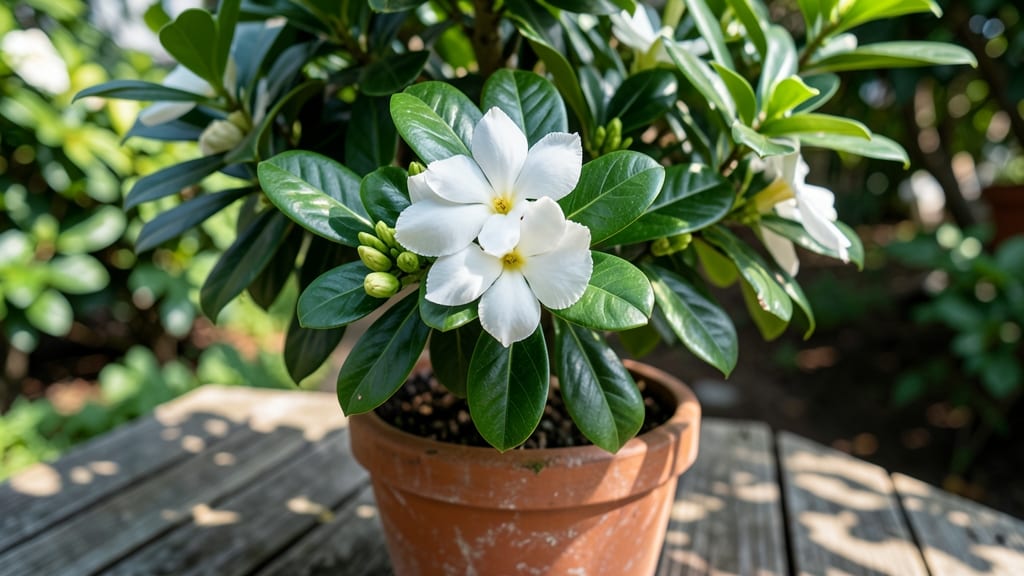
Your white gardenia bush (Gardenia jasminoides) will reward you with fragrant, creamy blooms that smell like a tropical vacation—if you meet its tropical needs. 🌿 I learned the hard way that these finicky shrubs demand perfect conditions, but once you nail the soil, light, and watering, they thrive for decades with minimal fuss.
Start with acidic, well-draining soil (think pine bark or peat moss mixes) and a spot with morning sun and afternoon shade—too much direct heat wilts the blooms. Water deeply but infrequently: let the top 2 inches dry out between soakings, and never let it sit in soggy soil.
The secret to year-round blooms? Precision pruning right after flowering to encourage fresh growth.
📚 In This Guide
- What you need
- Instructions
- Tips and common mistakes
- Wrapping up and next steps
What you need
- ● White Gardenia Bush: 1 healthy, disease-free plant (choose a mature 1-3 year old for faster blooms).
- ● Well-draining potting mix: 5-10 gallons (use a blend of 60% peat moss, 30% perlite, and 10% sand for optimal aeration).
- ● Container or garden bed: For containers: 15-20 gallon pot (with drainage holes) per plant.
- ● For in-ground planting: 6-8 feet of space (gardenia bushes thrive in partial shade).
- ● Slow-release fertilizer: 1 lb (16 oz) of acid-loving plant fertilizer (e.g., 8-3-9 or 10-10-10 with micronutrients).
- ● Pruning shears: 1 pair of sharp, sterilized bypass pruners (for clean cuts).
- ● Mulch: 2-3 inches of pine bark or wood chips (to retain moisture and acidify soil).
- ● Watering can or hose: With a gentle spray nozzle (gardenia leaves are sensitive!).
- ● Soil pH tester: To ensure your soil stays in the ideal 5.0–6.5 range (gardenia hates alkaline soil!).
- ● Espoma Garden-Tone or citrus fertilizer: For a nutrient boost during blooming season.
- ● Plant supports: 1-2 stakes or a small trellis (if training the bush vertically).
- ● Humidity tray: A pebble tray with water (to mimic tropical conditions indoors).
- ● Garden gloves: To protect your hands from thorns and soil.
Step-by-Step instructions for cultivating a thriving white gardenia bush
Here’s the precise method I’ve used to coax abundant, fragrant blooms from gardenias—no guesswork, just reliable results.
🌱 Step 1: Select the Perfect Planting Site and Soil
Gardenias demand bright, indirect light—think dappled shade under a canopy or east-facing exposure. Direct afternoon sun scorches leaves, while too little light weakens blooms. Test your spot: if leaves yellow or stems stretch, it’s not enough light. Amend native soil with 20% organic matter (like composted leaves or aged manure) to mimic their native acidic, well-draining conditions.
Dig a hole twice as wide as the root ball but only as deep. Gardenias hate having their crowns buried—plant so the top of the root ball sits 1 inch above soil level. This prevents rot and encourages strong growth. Tap the soil gently around the roots to eliminate air pockets, then water deeply to settle everything. The soil should feel moist but not soggy—like a damp sponge.
☀️ Step 2: Establish Ideal Light and Watering Routines
Gardenias need 6-8 hours of filtered light daily—morning sun is ideal. If growing indoors, place near a south-facing window or supplement with a grow light kept 12-18 inches away. Too little light? You’ll see sparse blooms and leggy stems. Too much? Leaves turn crispy at the edges.
Water deeply 2-3 times weekly, ensuring moisture reaches 6 inches down. Check by sticking your finger in—if the top 2 inches feel dry, it’s time. Overwatering causes root rot, while underwatering stresses the plant. Mulch with 2-3 inches of organic mulch (like pine bark) to retain moisture and keep roots cool. Avoid wetting leaves when watering—this invites fungal diseases like powdery mildew.
✂️ Step 3: Master Precision Pruning for Continuous Blooms
Prune right after flowering to encourage new growth. Cut back 1/3 of the oldest stems to their nearest leaf node—this redirects energy to younger branches. Use sterilized pruners to avoid spreading disease. Always prune just above a leaf node at a 45-degree angle for faster healing. Avoid cutting into old wood (gray or woody stems)—it won’t regrow.
Shape the bush by trimming just outside the desired outline to maintain airflow. Deadhead spent blooms weekly to prevent seed formation, which drains the plant’s energy. If you see bare stems with no leaves, it’s time for a harder prune—cut back to healthy green growth. Gardenias respond well to pruning, but don’t overdo it—too much at once shocks the plant.
🌿 Step 4: Feed and Protect for Year-Round Blooms
Fertilize monthly during spring and summer with an acid-loving plant fertilizer (like 8-3-9 with micronutrients). Apply half-strength in early morning to avoid leaf burn. Stop fertilizing in fall—this signals the plant to rest. Gardenias also love a monthly foliar spray of seaweed extract for extra nutrients and stress relief.
Watch for pests like scale or whiteflies—they love gardenias. Spray infested areas with neem oil (mix 1 tbsp per gallon of water) every 7-10 days until pests vanish. For fungal issues (like black spot), apply copper fungicide at the first sign of dark spots. A healthy gardenia should have glossy, dark green leaves and no visible pests—if you see otherwise, act fast.
⏰ Step 5: Winter Care for Next Year’s Blooms
Reduce watering in winter to once every 10-14 days, letting the top 3 inches of soil dry out between waterings. Move potted gardenias indoors to a cool (55-65°F), bright spot—like a sunroom or under grow lights. If outdoors, mulch 4-6 inches deep with pine straw to insulate roots. Avoid fertilizing in winter—it encourages weak growth.
Prune lightly in late winter (February) to remove dead or crossing branches. This is also the time to repot if roots circle the container—choose a pot only 1-2 inches larger in diameter. Gardenias bloom best when slightly root-bound, so don’t rush to upgrade pots. With proper winter care, your bush will burst into blooms earlier and more abundantly the following spring.
Tips & tricks for cultivating a thriving white gardenia
Between you and me, these little details make all the difference when it comes to coaxing those intoxicating white blooms from your gardenia bush.
Lighting Secrets: The 6-8 hours of filtered light in Step 2 is non-negotiable, but here's what nobody tells you—gardenias actually prefer morning sun with afternoon shade. If you notice leaves turning crispy at the edges, you're getting too much direct afternoon sun. Try moving your plant to a spot where it gets morning sun and afternoon shade from nearby trees or a sheer curtain. This mimics their natural habitat perfectly.
Soil Science: When amending your soil with 20% organic matter in Step 1, don't just throw in any compost. Gardenias thrive in acidic soil with a pH between 5.0 and 6.5. Test your soil first—if it's alkaline, mix in elemental sulfur or peat moss to lower the pH. The soil should drain well but still hold moisture like a damp sponge. If you're planting in containers, use a mix specifically formulated for acid-loving plants.
Pruning Precision: That 45-degree angle when pruning in Step 3 isn't just for looks—it's about directing water away from the cut to prevent rot. Use sharp, sterilized pruners and make your cut just above a leaf node where new growth will emerge. Pro tip: If you see bare stems with no leaves, it's time for a harder prune—cut back to healthy green growth. This might seem drastic, but gardenias are remarkably resilient and will reward you with vigorous new growth.
Winter Survival Strategy: When reducing watering to once every 10-14 days in winter, let that top 3 inches of soil dry out completely between waterings. This prevents root rot during the plant's dormant period. For potted gardenias, move them to a cool (55-65°F) spot with bright indirect light. I've found that a north-facing window works well for this. The key is to mimic the plant's natural winter rest period while still providing enough light to keep it healthy.
Pro Tips for White Gardenia Bush
- Between you and me, these little details make all the difference when it comes to coaxing those intoxicating white blooms from your gardenia bush.
- Lighting Secrets: The 6-8 hours of filtered light in Step 2 is non-negotiable, but here's what nobody tells you—gardenias actually prefer morning sun with afternoon shade.
- Soil Science: When amending your soil with 20% organic matter in Step 1, don't just throw in any compost.
Frequently asked questions
Got questions about growing and maintaining a white gardenia bush? You’re not alone! Here are some of the most common concerns—plus quick, practical answers to keep your fragrant beauty thriving.
How fast does a white gardenia bush grow, and how big will it get?
A mature white gardenia bush typically reaches 6–10 feet tall and wide with proper care. Growth is moderate—expect 12–24 inches per year in ideal conditions (warmth, humidity, and well-draining soil). Dwarf varieties stay under 4 feet, perfect for containers or small gardens. Prune annually to control size and shape!
When is the best time to trim a white gardenia bush?
Trim your gardenia right after flowering (late spring/early summer) to encourage new blooms. Avoid heavy pruning in fall or winter, as it can stress the plant. Light shaping can happen year-round, but never cut into old wood—it won’t regrow. Use sterilized shears to prevent disease!
Why aren’t my white gardenia blooms lasting long, and how can I fix it?
Short-lived blooms often signal overwatering, poor drainage, or low humidity. Ensure soil stays moist but not soggy and mulch to retain moisture. Move potted gardenias near a humidifier or pebble tray in dry climates. Yellow leaves? Check for over-fertilizing—feed lightly every 4–6 weeks in spring/summer.
Can I grow a white gardenia bush in a pot, or does it need to be planted in the ground?
Gardenias thrive in 15–20 gallon containers with drainage holes. Use a well-draining potting mix (like 50% peat moss, 30% perlite, 20% sand) and repot every 2–3 years. Place pots in partial shade and bring indoors if temps drop below 50°F (10°C). Just ensure the pot is large enough for its mature size!
What pests or diseases should I watch for with white gardenia bushes?
Gardenias are prone to scale, whiteflies, and spider mites (check undersides of leaves). Treat with neem oil or insecticidal soap. Fungal issues like root rot or powdery mildew occur in wet conditions—improve airflow and avoid wetting foliage. Yellow leaves? Often a sign of iron deficiency—use chelated iron supplements if needed.
Wrapping up and next steps
Growing a white gardenia bush is a rewarding journey that brings elegance and fragrance to your outdoor space! With the right care—from well-draining soil and proper sunlight to precise trimming—you’ll enjoy lush blooms year-round.
Remember, patience and consistency are key, and soon, your garden will be filled with the intoxicating scent of these stunning flowers. 🌸
Ready to take the next step? Start by observing your bush’s growth and adjust your care routine as needed. Whether it’s pruning, fertilizing, or troubleshooting pests, your gardenia will thrive with your attention. Happy gardening! 🌱