
Pruning
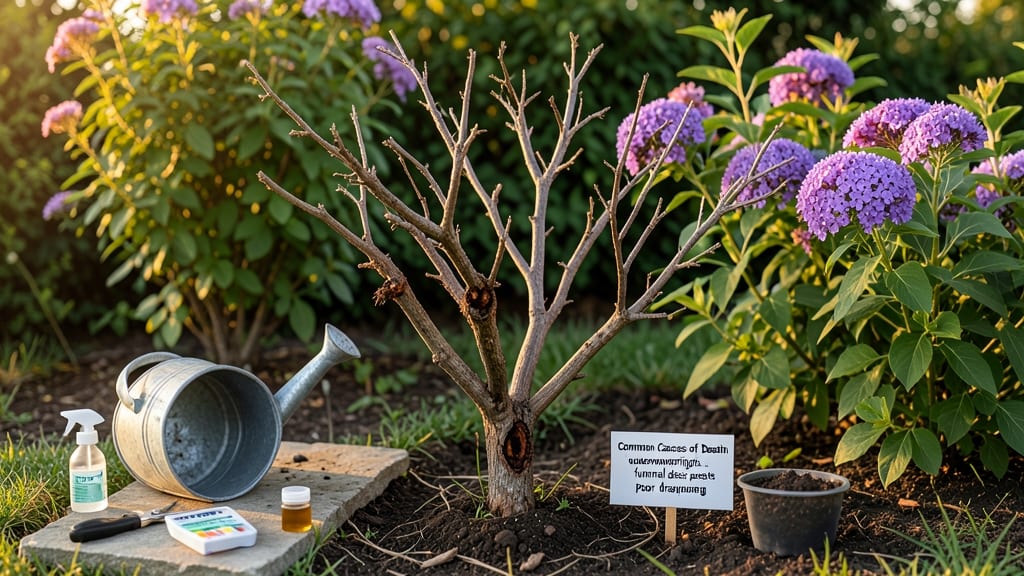
Why did my butterfly bush die? The answer likely lies with one of three silent killers: overwatering, underwatering, or disease—and the fix depends on what you missed. 🌿 I’ve seen these bushes thrive one season, then wilt into nothing the next, and the clues are always in the soil, leaves, or stems. Let’s figure out what happened to yours before it’s too late.
The most common culprit? Root rot from overwatering—especially in clay soil or containers without drainage. Check for mushy stems, yellowing leaves, or a foul smell when you dig down.
Underwatering shows up as crispy brown edges and dry, brittle branches, while fungal diseases like powdery mildew leave white residue or dark spots. Each problem needs a different solution, and knowing the difference saves your next bush.
Once you identify the issue, the fix is straightforward: adjust your watering schedule, improve drainage, or treat fungal infections with neem oil. Most butterfly bushes bounce back if you catch the problem early—just give them fresh soil, proper spacing, and the right care.
By the end of this, you’ll know exactly what went wrong and how to keep your next one lush and blooming for years.
Whether you’re a first-time gardener or a seasoned pro, these steps work for any butterfly bush. The key is paying attention to the details—soil moisture, leaf color, and growth patterns—before the problem spirals out of control. Let’s get your garden back on track.
Root Causes Behind Death
Butterfly bushes (Buddleja davidii) are hardy, low-maintenance plants—so when they suddenly wilt, brown, or die back, it’s often due to a few key environmental or care-related factors. Understanding the why behind your plant’s decline is the first step to reviving it (or preventing future losses).
Below, we break down the most common culprits, backed by science, and explain how they trigger fatal stress.
Butterfly bushes thrive in well-draining soil, but excess moisture is their silent killer. When roots sit in soggy soil for too long, they suffocate from a lack of oxygen—a condition called anoxia. This triggers:
- Root rot: Fungal pathogens like Phytophthora and Pythium thrive in waterlogged conditions, breaking down root tissue and cutting off nutrient/water uptake.
- Nutrient leaching: Overwatered soil flushes away essential minerals (e.g., nitrogen, potassium), starving the plant even as it’s drowning.
- Weakened structure: Waterlogged roots can’t anchor the plant, making stems brittle and prone to snapping in wind or storms.
💡 Pro Tip: Stick your finger 2–3 inches into the soil—if it’s damp, wait to water. Butterfly bushes prefer dry-ish soil between waterings (think "thirsty but not desperate"). If your soil drains poorly, amend it with perlite or coarse sand to improve aeration.
While overwatering is dramatic, chronic underwatering is a stealthy death sentence. Butterfly bushes are drought-tolerant, but prolonged dryness leads to:
- Water stress: The plant prioritizes keeping essential organs (leaves, flowers) alive by shedding lower branches first. Without intervention, the entire canopy wilts and dies.
- Nutrient transport failure: Xylem vessels (the plant’s "straws") collapse when dehydrated, halting water and nutrient flow to leaves.
- Sunburn risk: Wilting leaves lose their protective layer, making them vulnerable to photoinhibition—where excess sunlight damages chlorophyll and turns leaves crispy.
🌡️ Warning Signs: Look for:
- Leaves curling or falling off in dry, papery sheets.
- Stems that snap easily when bent (a sign of extreme dehydration).
- Soil pulling away from the pot edges (if potted).
🔥 Fix It: Deep watering (1–2 inches per week) is better than frequent shallow drinks. For container-grown bushes, soak the pot until water runs out the drainage holes.
Butterfly bushes are generally disease-resistant, but stress from poor care (e.g., overwatering, compacted soil) opens the door to pathogens. The most deadly offenders:
| Disease | Symptoms | Cause |
|---|---|---|
| Powdery Mildew | White, powdery coating on leaves; stunted growth. | Fungal (Erysiphe spp.), thrives in humid, shaded conditions. |
| Root Rot | Black, mushy roots; wilting despite moist soil; foul odor. | Fungal/bacterial (Phytophthora, Fusarium), from overwatering. |
| Canker | Sunken, discolored patches on stems; oozing sap. | Bacterial (Pseudomonas), often from wounds or splashing water. |
🎯 Prevention:
- Space plants for airflow (3–4 feet apart).
- Avoid overhead watering—use drip irrigation or water at the base.
- Remove and dispose of infected branches immediately (don’t compost!).
- Apply neem oil or baking soda spray (1 tsp baking soda + 1 quart water) for powdery mildew.
Butterfly bushes are cold-hardy (USDA Zones 5–9), but extreme conditions can push them past their limits:
- Late-season frosts: New growth is tender and dies at <32°F. If frost hits after buds form, flowers may blacken and drop.
- Heatwaves + drought: Temperatures above 90°F combined with dry soil cause heat stress, turning leaves yellow or brown.
- Wind exposure: Fast-growing stems can flag (bend permanently) or snap in high winds, reducing photosynthesis.
🔪 Action Steps:
- Mulch heavily in winter (3–4 inches of shredded bark) to insulate roots.
- Water deeply during heatwaves (early morning is best to reduce evaporation).
- Stake young plants or prune to reduce wind resistance.
Butterfly bushes are adaptable, but nutrient-poor or compacted soil starves them. Key issues:
- Clay or compacted soil: Restricts root growth and water drainage, leading to root rot.
- Nitrogen deficiency: Causes pale, yellowing leaves (chlorosis) and stunted growth.
- Phosphorus/potassium imbalance: Weak stems and poor flowering, even if leaves look green.
📊 Soil Test Tip: A simple home soil test kit ($20–$30) reveals pH and nutrient levels. Butterfly bushes prefer:
- pH: 6.0–7.0 (slightly acidic to neutral).
- Well-draining, loamy soil with compost or aged manure.
✨ Boost Growth: Fertilize in early spring with a balanced 10-10-10 formula, or use fish emulsion for a nitrogen kick.
Revive Your Butterfly Bush Now
If your butterfly bush has met an untimely end, don’t panic—there’s still hope! The key to bringing it back to life (or preventing future heartbreak) lies in diagnosing the root cause and taking targeted action.
Below, we’ll break down practical fixes for the most common culprits, along with prevention tips to keep your bush thriving. Let’s get to work! 🌿✨
Signs: Yellowing leaves, wilting despite wet soil, blackened stems, or a foul odor (like rot).
How to Fix It:
🔥 Step 1: Stop Watering Immediately
- Butterfly bushes (Buddleia) are drought-tolerant once established. Overwatering suffocates roots and invites fungal diseases. Let the soil dry out completely before watering again.
🍳 Step 2: Improve Drainage - If your bush is in a container, check for drainage holes.
If not, repot it into a planter with holes or add a layer of gravel at the bottom. - For in-ground plants, amend the soil with compost or perlite to loosen heavy clay and improve airflow.
👨🍳 Step 3: Prune Damaged Areas
- Use sterilized pruners to trim away blackened, mushy stems back to healthy green tissue. This prevents the spread of rot.
🥘 Step 4: Adjust Your Watering Routine
- Water deeply but infrequently—about 1 inch per week (less in winter). Stick your finger 2 inches into the soil; if it’s damp, wait.
💡 Pro Tip: Mulch around the base (but not touching the stem) with wood chips or straw to retain moisture without smothering roots.
Signs: Crispy, brown leaf edges, dry soil pulling away from the pot, or a woody, brittle appearance.
How to Fix It:
🔥 Step 1: Water Thoroughly
- Give your bush a deep soak until water drains out the bottom. Repeat every 5–7 days in hot weather (daily for containers).
🍳 Step 2: Check Soil Type
- Butterfly bushes prefer well-draining, slightly alkaline soil. If your soil is sandy or compacted, mix in compost or peat moss to retain moisture.
👨🍳 Step 3: Monitor Sun Exposure
- These plants love sun (6+ hours daily). If shaded, move it to a sunnier spot or supplement with a grow light indoors.
🥘 Step 4: Trim Dead Growth
- Snip off brown, crispy stems to redirect energy to healthy foliage. Avoid over-pruning—focus on revival first.
💡 Pro Tip: Group plants together to create a microclimate that retains humidity around roots.
Signs: White powdery spots (powdery mildew), dark lesions, oozing sap, or sudden leaf drop.
How to Fix It:
🔥 Step 1: Identify the Culprit
- Powdery mildew? White, dusty coating on leaves.
- Root rot? Soft, discolored stems at the base.
- Bacterial leaf spot? Dark, water-soaked patches.
🍳 Step 2: Remove Infected Parts
- Prune all diseased stems ½ inch below the damage. Bag and discard them (don’t compost!).
👨🍳 Step 3: Apply Fungicide
- Spray with neem oil (natural) or a copper-based fungicide (for severe cases). Follow label instructions.
🥘 Step 4: Boost Airflow
- Thin out overcrowded branches and space plants 3–4 feet apart to reduce humidity buildup.
💡 Pro Tip: Water in the early morning so leaves dry quickly—fungi thrive in damp conditions.
Signs: Blackened leaves, mushy stems, or a "frozen" appearance after a hard freeze.
How to Fix It:
🔥 Step 1: Protect from Future Freezes
- Butterfly bushes are hardy to USDA Zones 5–9. In colder zones, mulch heavily (4–6 inches) around the base in winter.
🍳 Step 2: Prune Dead Growth
- Wait until spring to prune back to green wood (avoid cutting into brown, frozen stems).
👨🍳 Step 3: Fertilize Lightly
- Once new growth appears, feed with a balanced fertilizer (10-10-10) to encourage recovery.
💡 Pro Tip: If your bush is potted, move it to a sheltered spot (like against a south-facing wall) before the first frost.
- Soil Test: Ensure pH is 6.0–7.5 (butterfly bushes tolerate slightly alkaline soil).
- Prune Regularly: Cut back 1/3 of the oldest stems each year to encourage new growth.
- Watch for Pests: Spider mites or aphids can stress plants—spray with soapy water if spotted.
- Mulch Smart: Use organic mulch (like pine straw) to regulate soil temperature and moisture.
- Choose the Right Spot: Plant in full sun with well-draining soil—this is non-negotiable!
Final Thought: Most butterfly bush "deaths" are preventable with the right care. Start with the fixes above, then adjust based on your plant’s response. Before you know it, you’ll have a blooming, butterfly-magnet bush again! 🦋🌸
Frequently asked questions
Why does my butterfly bush suddenly drop all its leaves?
Leaf drop usually signals water stress—either overwatering (causing root rot) or underwatering (triggering dehydration). Check soil moisture by sticking your finger 2 inches deep: if damp, you're overwatering; if dry, it needs a deep soak. Also watch for sudden temperature drops, which can shock the plant into shedding leaves.
Can a butterfly bush come back after dying completely?
Yes! If the roots are still alive (check by gently scraping soil away—healthy roots are firm and white), prune back all dead growth to green wood and adjust care. For container plants, repot into fresh, well-draining soil. Give it bright light and consistent moisture (not soggy) for 4-6 weeks. New growth should appear if the root system survived.
How do I tell if my butterfly bush has root rot?
Root rot shows as black, mushy roots with a foul smell when dug up, plus yellowing leaves that stay wilting even when soil is moist. Tap the stems—if they feel hollow or snap easily, rot has likely spread. The fix? Stop watering immediately, improve drainage, and prune away all diseased stems down to healthy tissue.
Why did my butterfly bush die in winter?
Most winter deaths happen from frost damage or overwatering when roots can't absorb moisture in cold soil. Butterfly bushes tolerate down to 10°F, but new growth is vulnerable. Protect potted plants by moving them to sheltered spots, and mulch heavily (4-6 inches) around the base. If stems turn black, prune back to green wood in spring.
Can I save a butterfly bush with white powdery spots?
That's powdery mildew—a fungal disease that thrives in humid, shaded conditions. Prune off infected leaves immediately, then spray with neem oil or a baking soda solution (1 tsp baking soda + 1 quart water). Improve airflow by spacing plants 3-4 feet apart and watering at the base (not overhead). Repeat treatment every 7-10 days until spores disappear.