
Plants
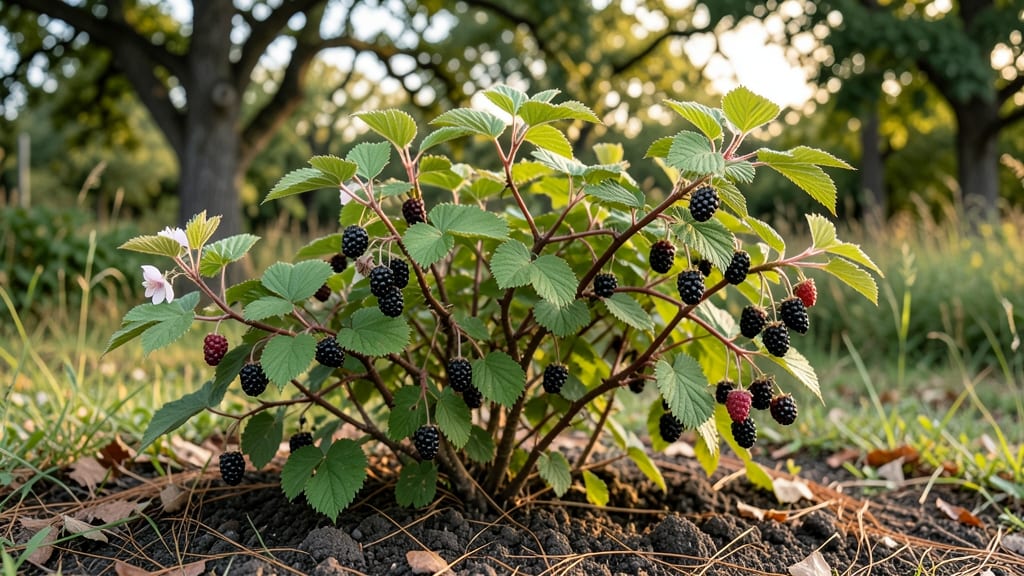
Growing wild black raspberry bushes (Rubus occidentalis) means thicker canes, sweeter berries, and less work—once you master the pruning rhythm. 🌿 I learned the hard way that these thorny powerhouses need a little guidance to produce reliably, but the payoff is worth it: gallons of flavor-packed fruit with minimal fuss.
The secret lies in strategic pruning—cutting back old canes in late winter and training new ones to spread. These bushes thrive in full sun with well-drained soil, and they spread aggressively through underground runners (which is great for filling gaps but can become a nuisance if unchecked).
With the right approach, you'll end up with a productive patch that feeds you for years with almost no maintenance.
📚 In This Guide
- What you need
- Instructions
- Tips and common mistakes
- Wrapping up and next steps
What you need
- ● Black raspberry canes: 3–5 healthy, disease-free canes (bare-root or potted) from a reputable nursery. Look for varieties like ‘Brandywine’ or ‘Taylor’.
- ● Well-draining soil: A mix of loamy soil with a pH of 5.5–6.5. Amend with compost (2–3 inches) for fertility.
- ● Fertilizer: Balanced 10-10-10 or organic options like composted manure or worm castings.
- ● Mulch: Straw, wood chips, or pine needles (2–3 inches) to retain moisture and suppress weeds.
- ● Watering can or hose: With a gentle spray nozzle for consistent hydration.
- ● Pruning shears: Sharp, clean bypass pruners (disinfect with rubbing alcohol between cuts).
- ● Gloves: Heavy-duty gardening gloves to protect against thorns.
- ○ Support system: T-posts, stakes, or a trellis (optional but recommended for large canes).
- ● Soil test kit to check pH and nutrient levels.
- ● Organic fungicide (e.g., neem oil) to prevent diseases like cane blight.
- ● Drip irrigation system for automated watering.
- ● Bird netting to protect ripe berries from wildlife.
Step-by-Step guide to cultivating wild black raspberry canes
Here's how to establish a thriving wild black raspberry patch using natural propagation and smart pruning.
🌱 Step 1: Locate and Prepare Wild Canes for Propagation
Identify healthy wild black raspberry canes in a well-drained area with partial shade. Look for vigorous canes with multiple buds—these will root best when transplanted. The best time to move them is in early spring when new growth begins but before leaves fully emerge.
Dig around the base of the cane, keeping as much root system intact as possible. You'll want to transplant a section with at least 3-4 inches of root attached. Gently shake off excess soil to assess root health—healthy roots should be firm and white, not brown or mushy.
✂️ Step 2: Prune and Plant Transplanted Canes
Once you've selected your canes, cut them into 18-24 inch sections, ensuring each piece has at least 3-5 buds. The top bud should be just below a leaf node. Dip the cut ends in rooting hormone to encourage faster establishment, though wild canes often root well without it.
Dig holes in your prepared garden bed that are slightly deeper than the root ball. Space them 4-5 feet apart in rows 6 feet apart to allow for air circulation and future cane growth. Plant each section at the same depth it grew in the wild, then water deeply to settle the soil around the roots.
☀️ Step 3: Establish Canes with Proper Water and Light
Keep the soil consistently moist for the first 4-6 weeks—wild canes are tough but still need steady moisture to root. You'll know they're establishing when new leaves appear along the buried portion of the cane. This is your signal that roots have taken hold.
Position your new canes in an area with full sun to partial shade. Morning sun with afternoon shade works best in hot climates, while cooler regions can handle full sun. Mulch heavily around the base with 2-3 inches of organic mulch to retain moisture and suppress weeds.
🌿 Step 4: Implement Strategic Pruning for Fruit Production
In their first year, focus on establishing strong root systems—remove any flowering canes that appear, as fruit production will weaken new plants. By late winter of the second year, prune out all dead or weak canes, leaving only the strongest 4-6 canes per plant.
Wild black raspberries produce fruit on second-year canes. Prune these fruiting canes back to the ground after harvest, as they won't produce again. New canes will emerge from the roots, and these will bear fruit the following year. This two-year cycle is key to maintaining productivity.
🪴 Step 5: Maintain Soil and Control Spread
Wild black raspberries spread aggressively through underground runners. To control this, install a 2-foot deep barrier of landscape fabric or buried hardware cloth around your planting area. This prevents unwanted spread while still allowing roots to access nutrients.
Amend the soil annually with 2-3 inches of compost in early spring. Wild raspberries thrive in slightly acidic, well-draining soil. Test your soil pH—ideal levels are between 5.5 and 6.5. If your soil is too alkaline, add sulfur or peat moss to lower the pH gradually.
Tips & tricks for thriving wild black raspberry canes
These insights will help you avoid common pitfalls and maximize your berry harvest from day one.
Root Health Assessment: When examining wild canes, focus on roots that are firm and white—not just any roots. Brown or mushy roots indicate rot, which will compromise your transplant's success. I've learned the hard way that even vigorous-looking canes can have compromised roots, so always inspect thoroughly before transplanting.
Strategic Pruning Timing: In Step 4, when pruning established plants, wait until late winter when canes are still dormant but before active growth resumes. This timing ensures you're removing last year's fruiting canes cleanly while allowing new growth to emerge uninhibited. I've seen firsthand how pruning too early can stimulate unwanted growth that competes with your established plants.
Barrier Installation Secret: For the 2-foot deep barrier mentioned in Step 5, consider using corrugated metal flashing instead of just fabric. The rigid edges create a more effective barrier against those aggressive underground runners. I've found this method particularly effective in preventing spread into lawn areas where I don't want raspberries to establish.
Soil pH Maintenance: When testing your soil pH between 5.5-6.5, remember that wild black raspberries are particularly sensitive to alkaline soils. If your test shows pH above 6.5, don't just add sulfur—mix in peat moss first, which helps buffer the pH change more gradually. I've seen cases where aggressive pH adjustment actually burned roots rather than improved them.
Pro Tips for Wild Black Raspberry Bush
- These insights will help you avoid common pitfalls and maximize your berry harvest from day one.
- Root Health Assessment: When examining wild canes, focus on roots that are firm and white—not just any roots. Brown o...
- Strategic Pruning Timing: In Step 4, when pruning established plants, wait until late winter when canes are still dor...
Frequently asked questions
Got questions about growing wild black raspberry bushes? Here are some of the most common ones—plus quick answers to help you thrive!
When is the best time to plant black raspberry canes?
Plant bare-root canes in early spring (before new growth starts) or late fall (6-8 weeks before frost). Container-grown plants can go in anytime the soil isn’t frozen. Choose a day with cool, cloudy weather to reduce transplant shock.
How long does it take for a wild black raspberry bush to produce fruit?
Patience pays off! With proper care, expect first fruits in 1–2 years, but full production typically takes 2–3 years. Pruning young canes (removing suckers) early helps direct energy to fruit-bearing canes faster.
Why aren’t my black raspberries ripening?
Common culprits include:
- Insufficient sunlight: Needs 6+ hours of full sun daily.
- Overwatering: Soil should stay moist but well-drained.
- Poor pruning: Remove dead/diseased canes annually and thin crowded growth.
- Nutrient deficiency: Test soil and amend with compost or balanced fertilizer (10-10-10).
Are wild black raspberries self-pollinating?
Yes! They’re self-fertile, meaning a single bush can produce fruit without cross-pollination. However, bees and birds boost yields by aiding pollination. Planting multiple bushes nearby can also increase fruit set.
What’s the difference between black raspberries and blackberries?
| Feature | Black Raspberry | Blackberry |
|---|---|---|
| Canes | Biennial (die after fruiting) | Perennial (repeatedly produce) |
| Fruit | Separates easily from core | Stays attached when picked |
| Taste | Tart, floral, higher in antioxidants | Sweeter, jammy |
Pro tip: Black raspberries thrive in cooler climates (zones 3–8), while blackberries prefer warmer zones (5–10).
Wrapping up and next steps
Growing a wild black raspberry bush is a rewarding journey that combines patience, care, and a little strategic pruning. By understanding its growth habits, providing the right conditions, and mastering seasonal maintenance, you’ll enjoy bountiful harvests year after year.
Whether you’re a seasoned gardener or a curious beginner, these tips will help your canes thrive—and soon, you’ll be savoring the sweet, tangy flavors of homegrown raspberries! 🍇
Ready to take the next step? Start by marking your bush’s canes with colorful flags or ribbons to track their age and growth. Then, grab your pruners and dive in—your future harvests will thank you!