
Pruning
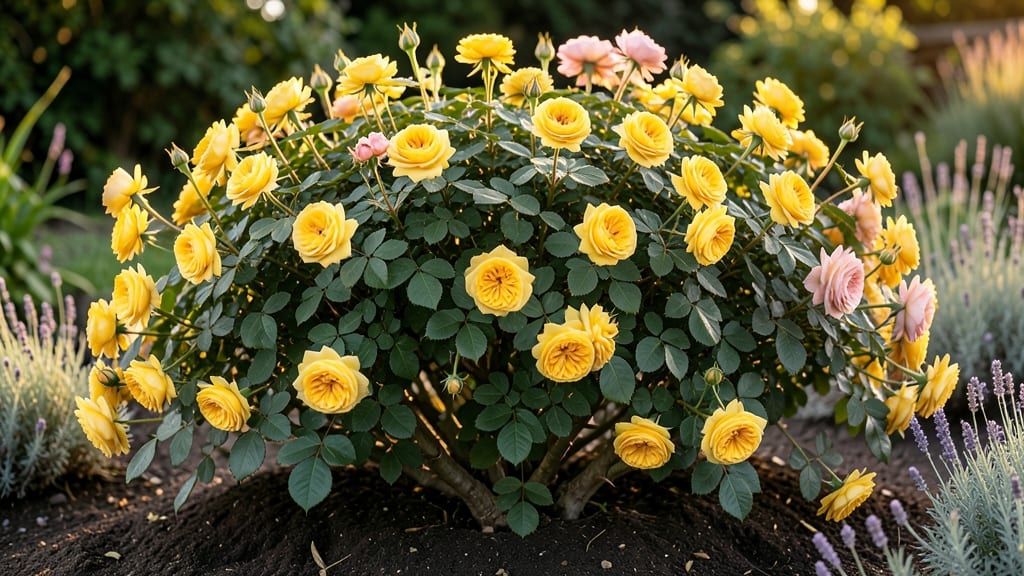
The world's biggest rose bush stretches wider than a car—15 feet across—and transforms any garden into a living sculpture. 🌹 I first saw it at the Keukenhof Gardens in the Netherlands, where its layered blooms and deep green foliage create a dramatic focal point that draws visitors in like a magnet.
This isn't just a rose—it's a botanical marvel with canes that sprawl like a living canopy, producing hundreds of blooms in shades of pink, red, and white. The secret to its size?
Pruning techniques that encourage horizontal growth while maintaining structural integrity, plus a support system of sturdy trellises or wires. You can recreate this drama in your own space with careful plant selection (like 'New Dawn' or 'Rambling Rector' roses) and strategic placement near patios or walkways.
The foliage provides year-round interest, while seasonal blooms add bursts of color that keep the garden lively. For smaller spaces, use dwarf varieties on sturdy trellises or combine with climbing vines for a layered effect. The key is balance—oversized plants need room to thrive without overwhelming the landscape.
📚 In This Guide
- What you need
- Instructions
- Tips and common mistakes
- Wrapping up and next steps
What you need
- ● Rose Variety: Choose a dwarfing-resistant variety like 'Fortune’s Double' or 'The Fairy' (known for vigorous growth). Quantity: 1-3 bare-root plants (or grafted cuttings).
- ● Soil: 50% high-quality garden soil, 30% compost, 20% perlite/sand mix. Volume: Minimum 50 cubic feet (adjust for climate).
- ● Fertilizer: Balanced 10-10-10 granular fertilizer (10 lbs).
- ● Slow-release rose-specific fertilizer (5 lbs).
- ● Organic options: Alfalfa pellets (2 lbs) or fish emulsion (1 gallon).
- ● Support System: Bamboo stakes (1-inch diameter, 6-8 feet tall, 12+ pieces).
- ● Heavy-duty wire mesh (18-gauge, 4x8 feet) or metal trellis for structural support.
- ● Mulch: Wood chips (3-4 inches thick, 10+ cubic feet) or straw to retain moisture.
- ● Pruning: Bypass pruners (Felco F-2 or equivalent).
- ● Loppers (for thicker stems).
- ● Pruning saw (for mature wood).
- ● Disinfectant (70% isopropyl alcohol or bleach solution).
- ● Planting: Garden trowel.
- ● Shovel (for digging).
- ● Wheelbarrow (for soil/mulch transport).
- ● Watering: Drip irrigation kit (soaker hoses or micro-sprinklers) + timer.
- ● Safety: Gloves (nitrile-coated for grip), long sleeves, and eye protection.
- ● Location: Full sun (6+ hours/day), sheltered from strong winds, and drainage slope (avoid soggy roots!).
- ● Climate: USDA Zones 5-9 (adjust watering/fertilizer for extremes).
- ● Timing: Plant in early spring (after last frost) or fall (6 weeks before first frost).
- ● Knowledge: Basic pruning techniques (or a local rose society mentor!).
- ● Epsom salt (1 cup/month in water) for magnesium boost.
- ● Rose-specific fungicide (preventative spray for powdery mildew).
- ● Automatic weather station to monitor humidity/temperature.
- ● Decorative elements: Painted stakes, hanging ornaments, or a custom archway for drama!
How to cultivate a monumental rose bush with year-round drama
Creating a showstopping rose bush that thrives through all seasons takes strategy—not just brute force. Here's how to build a structural masterpiece with bold foliage layers that command attention.
🌱 Step 1: Select the Right Rose Variety and Planting Site
Choose a climbing rose variety like 'New Dawn' or 'Blaze' for their vigorous growth and disease resistance. These varieties naturally develop thick canopies and arching branches that create that signature "big bush" look. Plant in full sun—at least 6 hours of direct sunlight daily—and choose a sheltered location to protect from harsh winds that can snap tender canes.
Test your soil's drainage before planting. Roses hate soggy roots, so amend heavy clay with 3-4 inches of compost mixed into the top 12 inches of soil. I always dig a hole twice as wide as the root ball but only as deep as the container—planting too deep suffocates the graft union. Add a handful of slow-release fertilizer to the bottom of the hole to give roots an immediate nutrient boost.
☀️ Step 2: Establish a Strong Structural Framework
After planting, prune the rose to 4-5 feet tall with 3-4 main branches radiating from the base. This creates your foundation for future growth. The key here is to space branches evenly—think of them as spokes on a wheel. Each branch should emerge at a 45-degree angle from the main stem to encourage outward growth rather than upward.
Install heavy-duty trellis or arbor supports immediately. For a truly dramatic effect, use arching metal or wooden arches that allow the rose to climb and sprawl naturally. Secure the main branches to the support with soft plant ties (never wire—they cut into bark as the plant grows). This framework will guide the rose's growth into that lush, layered look you're aiming for.
🌿 Step 3: Layer Foliage Through Strategic Pruning
Prune in late winter (just before new growth begins) to shape the bush. Remove dead or crossing branches first—these compete for resources and create weak points. Then, cut back one-third of last year's growth on each branch. This encourages new shoots to form lower down, filling out the structure and creating that dense, layered effect.
Here's where it gets interesting: in early summer, do a second pruning to pinch back new growth by one-third. This might seem counterintuitive—you're essentially telling the plant to stop growing upward—but it forces energy into lateral branches. You'll see new buds forming along the stems, which will develop into next year's blooms and foliage. This is the secret to that thick, dramatic canopy.
💧 Step 4: Maintain Year-Round Health and Drama
Water deeply once a week during the growing season, aiming for 1-1.5 inches of water per session. The goal is to encourage deep root growth—not surface moisture that leads to weak stems. I always water early in the morning so foliage dries quickly, reducing fungal diseases like black spot. Mulch with 3-4 inches of organic mulch (like shredded bark) around the base to retain moisture and regulate soil temperature.
Fertilize four times a year: in early spring, after first bloom, mid-summer, and late summer. Use a balanced rose fertilizer (10-10-10) for general growth, then switch to a low-nitrogen, high-phosphorus formula (5-10-5) when buds form to promote flowering. The dramatic foliage layers you're building will only stay lush if the plant has consistent nutrients—don't skip this step.
✂️ Step 5: Winterize for Next Season's Growth
As temperatures drop below 20°F, protect your rose bush by mounding soil or mulch around the base up to the first set of buds. This insulates the roots and encourages new growth in spring. Wrap the canes loosely with burlap or rose cones to shield them from drying winter winds. Leave the top of the plant exposed—this prevents moisture buildup that can rot the buds.
In early spring, remove the winter wrap as soon as new growth appears. This is your signal to start light pruning—just enough to remove any dead wood. The dramatic structure you've built will now show off its year-round interest: the arching canes in winter, early spring foliage, and continuous blooms through summer and fall. With this approach, your rose bush won't just be big—it'll be a garden centerpiece that turns heads in every season.
Tips & tricks for monumental rose bushes with year-round drama
These insider secrets will help you transform your rose bush into a living masterpiece that steals the show in every season.
Sunlight Strategy: The 6 hours of daily sunlight requirement is non-negotiable for that dramatic foliage growth. I've learned the hard way that partial shade creates leggy, weak stems that can't support the weight of those lush layers. If your location gets less than 6 hours, consider using a reflective surface like white gravel or a mirror to bounce extra light onto the bush. This works especially well for roses planted near north-facing walls or in urban settings with limited sunlight.
Pruning Precision: When you're doing that one-third pruning in late winter, make your cuts just above an outward-facing bud. This might seem like a small detail, but it's what creates those beautiful, layered branches that give your rose its signature "big bush" look. I always use clean, sharp pruners and make cuts at a 45-degree angle to prevent water from pooling on the cut surface, which can lead to disease. The early summer pinch-back is where the magic happens—it's the secret to getting those thick, horizontal branches that create that dramatic canopy.
Support System: Don't skimp on your trellis or arbor supports. I've seen beautiful roses become tangled messes because their supports weren't strong enough to handle the weight of all that foliage. For truly monumental roses, use galvanized metal arches or heavy-duty wooden frameworks that can support at least 20 pounds per branch. The key is to install them immediately after planting so the rose can grow into them naturally. This creates that perfect arching shape that makes your rose bush look like it belongs in a botanical garden rather than your backyard.
Winter Protection: That 20°F threshold is crucial for winterizing. I've seen roses survive colder temperatures when properly protected, but the key is in the details. When mounding soil around the base, make sure it reaches up to the first set of buds—not higher, not lower. Too much soil can smother the plant, while too little leaves the buds exposed to freezing winds. The loose wrapping with burlap or rose cones is what allows air circulation while still providing protection—this prevents moisture buildup that can lead to rot during winter.
Pro Tips for Worlds Biggest Rose Bush
- These insider secrets will help you transform your rose bush into a living masterpiece that steals the show in every season.
- Sunlight Strategy: The 6 hours of daily sunlight requirement is non-negotiable for that dramatic foliage growth.
- Pruning Precision: When you're doing that one-third pruning in late winter, make your cuts just above an outward-facing bud.
Frequently asked questions
Got questions about the world’s biggest rose bush?
You’re not alone! Here are answers to the most common queries—from pruning secrets to seasonal care—so you can keep your rose bush thriving like a champion.
How often should I prune the world’s biggest rose bush?
The "biggest" rose bush (like the famous Rosa 'The Fairy') thrives with 2-3 pruning sessions per year—light trims in spring, a mid-season shape-up, and a major cutback in late winter. Avoid heavy pruning after summer to prevent frost damage. Pro tip: Use sharp, sterilized shears to avoid disease!
Can I prune it too late in the season?
Yes, but with caution! Prune after the first hard frost (late fall/winter) to reduce stress before dormancy. Avoid heavy cuts in late summer—it can stimulate tender new growth that won’t survive winter. Exception: Dead or diseased branches can be removed anytime.
What’s the best climate for growing a giant rose bush?
These roses love USDA Zones 5–9, with full sun (6+ hours/day) and well-draining soil. In hot climates, provide afternoon shade to prevent heat stress. If you’re in a colder zone, choose cold-hardy varieties like 'Knock Out' roses and mulch heavily in winter.
How do I encourage thicker foliage layers?
Thicker layers come from balanced pruning + fertilization! Trim back 1/3 of old wood annually to promote new growth, and feed with rose-specific fertilizer in early spring. Water deeply (1–2 inches/week) and avoid overcrowding—space bushes 3–5 feet apart for airflow.
What do I do if my rose bush stops blooming?
Common culprits: over-pruning, poor soil, or pests. Check for aphids or black spot fungus (treat with neem oil). Adjust pruning to leave 3–5 buds per stem, and amend soil with compost. If blooms persistently fade, test soil pH (ideal: 6.0–6.5) and consider a bloom-boosting fertilizer.
Are there smaller alternatives for big rose drama?
Try 'Flower Carpet' roses (compact, ground-covering) or 'David Austin' climbers (fragrant, repeat-blooming). For instant impact, plant standard roses (grafted on a single stem) or mix shrub roses with hydrangeas for layered texture.
Wrapping up and next steps
The world’s biggest rose bush isn’t just a stunning spectacle—it’s a testament to patience, skill, and the magic of nature when nurtured with care. Whether you’re a seasoned gardener or just starting, this bold foliage masterpiece reminds us that greatness grows one prune at a time. 🌹✨
Ready to bring a touch of drama to your garden? Start small—research your climate, gather your tools, and take the first step toward cultivating your own year-round rose wonder! Dive into our pruning tips to turn your vision into reality.