
Plants
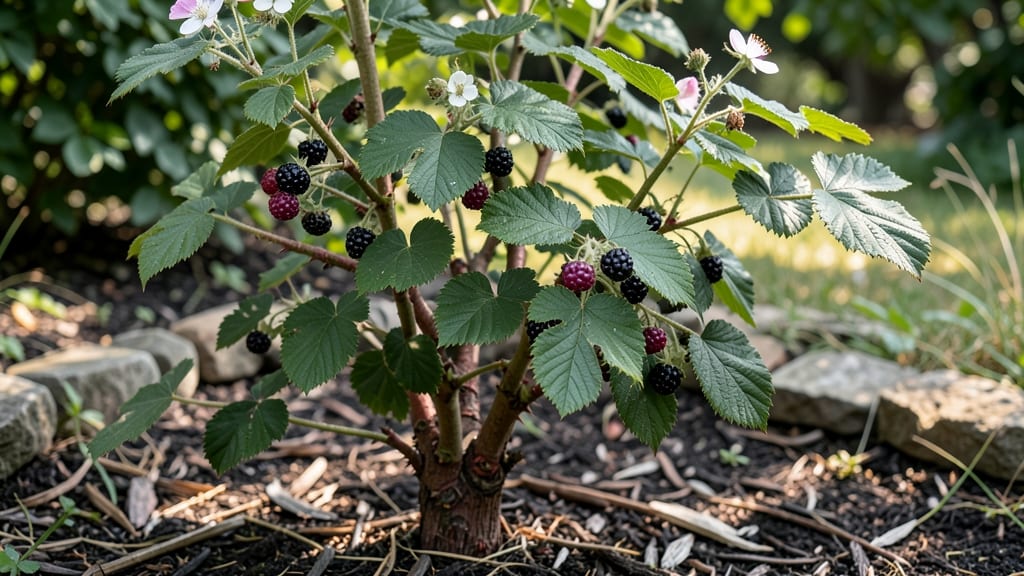
Yes, blackberry bushes are perennial plants that regrow each year from their root system after winter dormancy, though their canes typically die back annually and must be pruned for optimal fruit production. Proper care extends their lifespan for decades with consistent harvesting and maintenance.
This means their roots stay alive underground even when the above-ground growth appears dormant in winter. 🌱 The key to their longevity lies in their hardy root systems, which store energy for new growth each spring.
Unlike annuals that die completely after one season, blackberries return stronger each year with proper winter protection and seasonal pruning. Their biennial canes—where first-year canes grow leaves and second-year canes produce fruit—create a natural cycle that gardeners can work with through strategic pruning techniques.
What sets blackberries apart is their ability to thrive in USDA hardiness zones 5-9, making them adaptable to many climates. The roots can withstand temperatures down to -15°F when properly mulched, while the canes may suffer damage in extreme cold but regrow from the base.
This resilience is why established blackberry bushes can produce fruit for 10-15 years or more with minimal intervention.
💡 In This Article
- How Perennial Blackberry Canes Survive Winter and Regrow
- Pruning and Care Tips to Maximize Blackberry Bush Longevity
How perennial blackberry canes survive winter and regrow
Blackberry bushes enter winter dormancy when temperatures drop below 50°F for extended periods, triggering a biological process where the plant conserves energy in its roots. The root system—particularly the crown and rhizomes—contains specialized cells that store starches and sugars, acting like a natural battery.
These reserves fuel new growth in spring, even when the above-ground canes appear dead. 🌱 The roots can survive temperatures as low as -15°F when protected by mulch, though canes may blacken or break in extreme cold.
The biennial cane lifecycle is what makes blackberries unique. First-year canes focus on vegetative growth, developing leaves and stems, while second-year canes produce fruit before dying back. This two-year cycle means gardeners must prune strategically: removing old canes after fruiting and leaving new ones to grow.
The root system remains active year-round, continuously sending up new shoots from lateral buds at the base. In USDA zones 5-9, this process repeats annually, allowing the plant to thrive for decades.
Temperature thresholds play a critical role in survival. While roots endure freezing, canes may suffer damage below 10°F without protection. This is why winter mulching with 4-6 inches of straw or leaves is essential—it insulates the crown and prevents temperature fluctuations that can stress the plant.
Everbearing varieties, which produce fruit on both first- and second-year canes, are slightly more cold-sensitive than fall-bearing types, requiring extra care in colder zones.
What most gardeners don't realize is how light affects dormancy. Short daylight hours in fall trigger hormonal changes that signal the plant to stop growing. This dormancy isn't true hibernation—roots stay metabolically active but at a reduced rate.
The transition back to growth in spring begins when soil temperatures reach 55°F, prompting the roots to push out new shoots. This timing explains why early spring pruning (before new growth) is crucial for directing energy to fruit production rather than foliage.
Consider how soil moisture impacts survival: roots need consistent moisture during dormancy to prevent desiccation, but not so much that they rot. In dry climates, mulching also helps retain soil moisture, while in wet areas, raised beds improve drainage.
The interplay between temperature, moisture, and light creates the perfect conditions for blackberries' perennial resilience. 🌿
For example, in zone 6, where winters can drop to -10°F, gardeners often wrap canes in burlap or use row covers to protect them. Meanwhile, in zone 9, where winters are milder, blackberries may produce fruit year-round with minimal dormancy.
This adaptability is why they thrive in diverse climates—from the Pacific Northwest to the Southeastern U.S.