
Advice
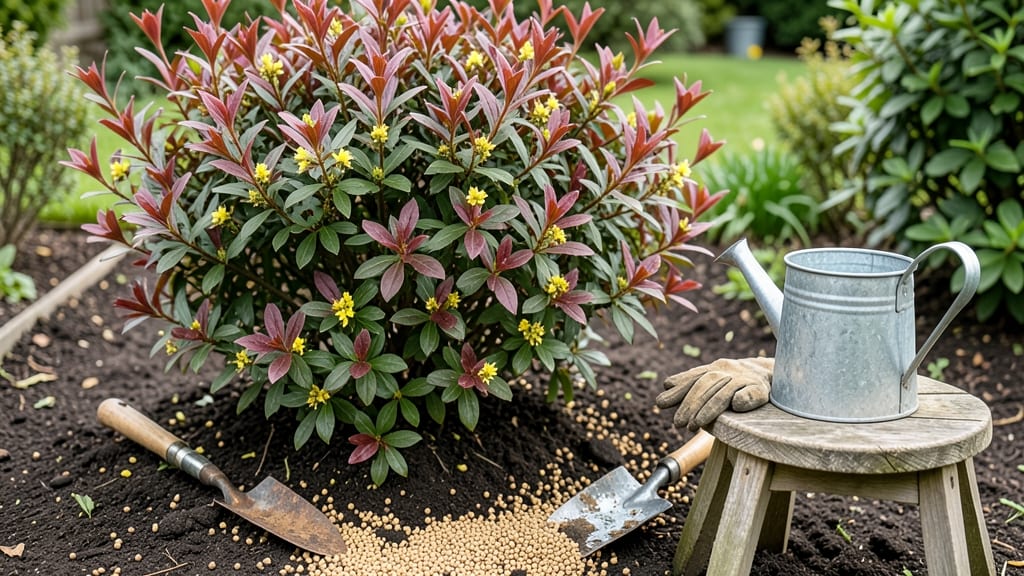
For barberry bush fertilizer, use balanced slow-release granules or organic compost with a 10-10-10 or 5-10-5 NPK ratio, applied in early spring and mid-summer. Acid-loving varieties thrive with iron sulfate or peat-based soil amendments to enhance foliage and berry production.
Barberry bushes respond best to a feeding schedule that matches their growth cycles. 🌱 The early spring application kickstarts vigorous root development, while the mid-summer boost supports berry formation. I've found that organic compost not only feeds the plant but also improves soil structure over time, preventing compaction.
For acid-loving varieties, a light sprinkle of iron sulfate can work wonders for that signature deep green color and abundant harvest.
One common mistake is overdoing it—too much fertilizer can lead to nutrient burn, where leaves turn brown at the edges. Always follow package instructions and water thoroughly after application. If your barberry starts looking stressed, it might be time to test your soil pH and adjust accordingly.
💡 In This Article
- Understanding Barberry Soil and Nutrient Needs
- Step-by-Step Guide to Fertilizing Barberry Bushes
Understanding barberry soil and nutrient needs
Barberry bushes thrive in slightly acidic soil with a pH range of 5.5-6.5, mimicking their natural understory habitat where leaf litter creates a naturally acidic environment.
This acidity isn't just preference—it's essential for unlocking iron and manganese, nutrients these plants need to produce their signature vibrant foliage and berries. 🌿 The roots actively absorb these micronutrients when soil pH is properly balanced, which is why amending with peat moss or pine bark fines can create the ideal growing conditions, especially in alkaline soils common in many garden regions.
The three primary nutrients—nitrogen (N), phosphorus (P), and potassium (K)—play distinct roles in barberry health. Nitrogen fuels leafy growth and overall plant vigor, phosphorus stimulates robust root development and berry formation, while potassium strengthens disease resistance and cold hardiness.
A 10-10-10 or 5-10-5 NPK ratio provides this balance without favoring one nutrient over others, which prevents issues like excessive leaf growth at the expense of fruit production. For example, too much nitrogen without adequate phosphorus can result in lush foliage but poor berry development, a common frustration among gardeners.
Organic matter like compost works wonders because it improves soil structure by increasing porosity and water retention while gradually releasing nutrients. When you work 2-3 inches of compost into the topsoil annually, you're not just feeding the plant—you're creating an environment where beneficial microbes thrive.
These microbes break down organic material into forms the barberry can absorb, while also suppressing harmful pathogens. The texture of well-amended soil becomes crumbly and dark, almost like a rich forest loam, which is exactly what barberries crave for optimal growth.
One often overlooked factor is soil drainage. Barberries hate soggy roots, which is why raised beds or mounded planting areas work beautifully in heavy clay soils. The roots need oxygen to function properly, and compacted soil cuts off this essential airflow.
You can test drainage by digging a hole, filling it with water, and timing how long it takes to drain—if it takes more than 6 hours, you'll need to amend with perlite or coarse sand to improve aeration.
Proper drainage also prevents root rot, a silent killer that often goes unnoticed until the plant declines.
For acid-loving varieties, iron sulfate is a game-changer when applied at 1 pound per 100 square feet in early spring. This treatment not only boosts iron availability but also helps prevent chlorosis (yellowing leaves) by creating the ideal pH environment for iron uptake.
The visual difference is striking—plants treated with iron sulfate develop that deep, glossy green color that makes barberries so desirable in landscapes, while neglected plants may show yellowing between veins, a classic sign of iron deficiency.
What most gardeners don't realize is that barberries are surprisingly adaptable to different soil types once the pH is right. While they prefer well-draining soils, they can tolerate slightly sandy conditions as long as moisture is consistent.
The key is monitoring leaf color and growth patterns—dark green leaves with steady berry production indicate happy roots, while pale leaves or stunted growth suggest nutrient deficiencies or poor drainage that need attention. 🌱