
Pests and Diseases
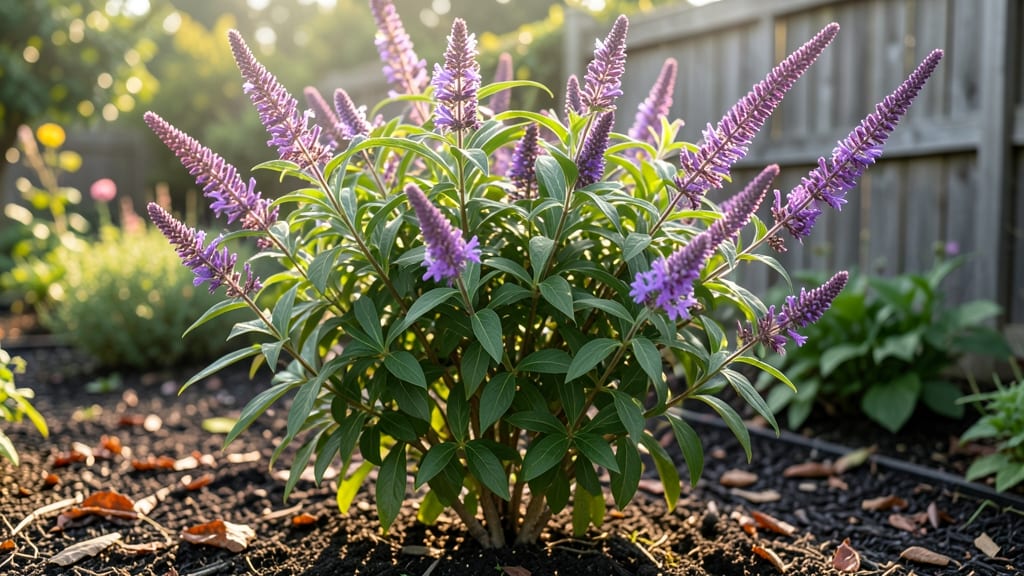
When your butterfly bush leaves start curling up, don’t panic—it’s usually fixable. 🌿 I’ve seen this happen after a dry spell, pest invasion, or even too much sun, and every time, the plant bounced back with the right care.
The key is identifying whether it’s a bug problem, fungal issue, or environmental stress before treating it.
Most often, curled leaves mean spider mites or aphids are sucking sap, leaving behind sticky residue. But heat stress or inconsistent watering can cause it too. I’ve learned to check the undersides of leaves first—tiny webs or bugs mean pests, while crispy edges suggest drought.
The good news? Butterfly bushes are tough and recover fast with proper care.
You’ll get your bush back to vibrant green in just a few weeks by targeting the real issue. For pests, a strong spray of water or neem oil works wonders.
If it’s heat stress, mulching and afternoon shade help. Prune any severely damaged leaves to encourage new growth—your bush will thank you with those signature butterfly-attracting blooms.
Prevention is simple: water deeply but less often, monitor for pests weekly, and avoid overcrowding. My garden journal helps track what works each season. With these tricks, your butterfly bush will stay healthy and thriving all summer long.
Underlying Causes Of Leaf Curls
When your butterfly bush (Buddleja davidii) starts showing those telltale curled leaves, it’s often a cry for help from the plant. Understanding the root causes—whether environmental, biological, or mechanical—is the first step to restoring its health.
Below, we break down the most common reasons why leaves pucker, twist, or roll inward, along with what’s really going on at a cellular or systemic level.
Butterfly bushes thrive in full sun, but extreme heat or rapid temperature swings can cause leaves to curl as a protective response. Here’s why:
- Water conservation mode: When soil moisture evaporates faster than roots can absorb it (common in drought-prone climates or during heatwaves), the plant triggers stomatal closure. This reduces water loss but also causes leaves to curl edge-to-edge, resembling a "claw" shape. Think of it like a fan folding its blades to retain moisture.
- Cellular damage: High temperatures (>90°F/32°C) can denature proteins in leaf cells, disrupting membrane integrity. This leads to blistering or necrotic spots along with curling.
- Actionable fix:
- Mulch with 3–4 inches of organic matter (e.g., shredded bark) to insulate roots.
- Water deeply 2–3x per week (not daily shallow watering) to encourage root depth.
- Provide afternoon shade with shade cloth (30–50%) during peak summer if in Zone 8+. 🌿
While underwatering stresses plants, excess moisture is equally damaging. Curling leaves here often signal root asphyxiation or fungal pressure:
- Root rot connection: Butterfly bushes prefer well-draining soil. When roots sit in soggy conditions (e.g., clay soil or containers without drainage), they suffocate. The plant responds by reducing leaf surface area (via curling) to limit transpiration—even if it means starving itself of oxygen.
- Nutrient imbalance: Waterlogged soil leaches nitrogen, leaving leaves yellow-edged and curled (a sign of calcium or magnesium deficiency).
- Actionable fix:
- Test soil pH (6.0–7.0 is ideal) and amend with perlite or sand if compacted.
- Ensure pots have drainage holes and elevate containers to prevent water pooling.
- Let top 2 inches of soil dry between waterings—stick your finger in to check! ⏱️
Tiny invaders can turn your butterfly bush into an all-you-can-eat buffet, leading to curled leaves as their first line of defense. Here’s the pest-by-pest breakdown:
| Pest | How They Cause Curling | Visual Clues |
|---|---|---|
| Aphids 🐜 | Inject toxic saliva while feeding, disrupting plant hormones (e.g., ethylene production). Leaves curl downward to protect tender new growth. | Sticky honeydew, black sooty mold, or clusters on undersides. |
| Spider Mites 🕷️ | Pierce cells to suck sap, causing stippling and upward curling (like a "cup" shape). Severe infestations lead to bronzing. | Fine webbing on leaf undersides, especially in dry conditions. |
| Japanese Beetles 🐞 | Chewing on leaf margins triggers jagged, upward curls as the plant tries to "hide" damaged tissue. | Skeletons of leaves, frass (chewed debris), and beetles at dawn. |
Actionable fix:
- Blast pests off with a strong stream of water (early morning).
- Apply neem oil or insecticidal soap (repeat every 5–7 days).
- Introduce beneficial predators: ladybugs for aphids, or Phidippus jumping spiders for mites. 🕸️
Pathogens thrive in moist, warm conditions, often mimicking pest damage but with a few key differences:
- Powdery Mildew: Fungal spores (Erysiphe cichoracearum) coat leaves, causing white, powdery patches and downward curling as the plant attempts to "seal off" infected areas. Common in humid, shaded spots.
- Bacterial Leaf Curl: Caused by Pseudomonas syringae, this bacteria clogs vascular tissues, leading to thickened, puckered leaves with yellow halos around veins. Often spreads via splashing water.
- Actionable fix:
- Prune infected leaves immediately (sterilize shears with rubbing alcohol).
- Improve airflow with spaced pruning (remove 1/3 of dense growth).
- Spray with copper fungicide (for bacterial issues) or baking soda mix (1 tsp baking soda + 1 quart water + drop of soap) for mildew. 🧼
Butterfly bushes are light feeders, but imbalances—especially in micronutrients—can cause curling:
- Magnesium deficiency: Leaves curl along the edges and develop interveinal yellowing (chlorosis) because magnesium is crucial for chlorophyll production. Common in alkaline soils (pH >7.5).
- Potassium excess: Too much potassium (K) relative to nitrogen (N) can cause marginal scorching and upward curling, as the plant struggles to regulate water uptake.
- Actionable fix:
- Test soil and amend with Epsom salt (1 tbsp per gallon of water) for magnesium, or kelp meal for a balanced micronutrient boost.
- Avoid high-potassium fertilizers (e.g., 0-10-10); opt for
Revive Your Butterfly Bush Now
If your butterfly bush leaves are curling up, don’t panic—there’s a solution for every cause. Below, we’ll break down practical fixes tailored to the most common problems, from environmental stress to pests and diseases. Follow these steps to restore your plant’s health and prevent future issues.
Signs: Yellowing leaves, wilting, or curling edges (often with a mushy texture). Why it happens: Butterfly bushes (Buddleia spp.) hate soggy roots. Overwatering suffocates roots, leading to fungal issues or root rot.
How to Fix It: 🔥 Stop watering immediately – Let the top 2–3 inches of soil dry out before watering again. 🍳 Improve drainage – Mix compost or perlite into the soil to aerate it. If planting in containers, use pots with drainage holes. 👨🍳 Repot if needed – If the soil is compacted or waterlogged, transplant your bush to a well-draining spot (e.g., raised beds or slopes). 🥘 Trim damaged roots – Gently remove the plant, trim any black/mushy roots with sterilized scissors, and replant in fresh soil. ⏰ Monitor for 2 weeks – Reduce watering to once a week (or less in humid climates) and watch for improvement.
💡 Prevention Tip: Water deeply but infrequently—butterfly bushes thrive on drought tolerance once established. Mulch with wood chips to retain moisture without suffocating roots.
Signs: Leaves curling upward (like "flagging"), crispy edges, or wilting in afternoon heat. Why it happens: Butterfly bushes love sun but can scorch in intense afternoon heat (especially in hot, dry climates).
How to Fix It: 🔥 Provide afternoon shade – Use a lightweight shade cloth (30–50%) or move potted plants to a spot with dappled shade (e.g., under a tree). 🍳 Water deeply in the morning – Soak the roots (1–2 gallons per plant) before 10 AM to hydrate leaves before the heat peaks. 👨🍳 Mulch heavily – Apply 3–4 inches of organic mulch (straw or shredded bark) to retain moisture and cool the soil. 🥘 Prune sun-damaged leaves – Snip off crispy or curled leaves to redirect energy to healthy growth. ⏰ Avoid fertilizing in extreme heat – Wait until temps drop below 85°F (29°C) to prevent fertilizer burn.
💡 Prevention Tip: Plant in locations with morning sun and afternoon shade, or choose heat-tolerant cultivars like Buddleia davidii ‘Lo & Behold® Red’.
Signs: Curling leaves with tiny holes, webbing, or sticky residue (honeydew). Common culprits: spider mites, aphids, or butterfly bush borers.
🕷️ Spider Mites or Aphids?
Fix: 🔥 Blast them off – Spray leaves with a strong stream of water to dislodge pests. 🍳 Neem oil spray – Mix 1 tbsp neem oil + 1 tsp mild soap + 1 quart water.
Spray every 5–7 days until gone. 👨🍳 Introduce beneficial insects – Ladybugs and lacewings eat aphids naturally.
🪰 Butterfly Bush Borers?
Fix: 🔥 Prune infested branches – Cut off wilting or hollow stems (borers tunnel inside). 🍳 Apply systemic insecticide – Use imidacloprid granules (follow label instructions) for severe infestations. 👨🍳 Check for exit holes – If you see sawdust-like frass, the larvae are already inside—prune early next season.
💡 Prevention Tip: Inspect new plants before buying. Avoid over-fertilizing with nitrogen (attracts soft-bodied pests like aphids).
Signs: Curling leaves with white powder (powdery mildew) or yellow spots (leaf spot). Often seen in humid, poorly ventilated areas.
How to Fix It: 🔥 Remove infected leaves – Prune any curled or spotted foliage and dispose of it in the trash (not compost). 🍳 Apply fungicide – Use copper fungicide or baking soda spray (1 tsp baking soda + 1 quart water + a drop of soap). 👨🍳 Improve airflow – Space plants 3–4 feet apart and prune to open the canopy. 🥘 Water at the base – Avoid wetting leaves (use a soaker hose instead of overhead watering). ⏰ Avoid wetting foliage at night – Fungal spores thrive in moist, dark conditions.
💡 Prevention Tip: Space plants properly and prune regularly to reduce humidity around leaves.
Signs: Purple-tinged leaves (phosphorus deficiency) or yellowing between veins (iron/chlorosis).
How to Fix It: 🔥 Test your soil – Use a DIY soil test kit to check pH and nutrient levels. 🍳 Add compost or fertilizer –
- For phosphorus: Use a bone meal or 5-10-10 fertilizer.
- For iron/chlorosis: Apply chelated iron or Epsom salt (1 tbsp per gallon of water).
👨🍳 Adjust pH if needed – Butterfly bushes prefer slightly acidic to neutral soil (6.0–7.0). Add lime to raise pH or sulfur to lower it.
💡 Prevention Tip: Fertilize in early spring with a balanced 10-10-10 formula—avoid heavy feeding in fall.
If your butterfly bush is severely stressed (root rot, advanced disease, or pest damage), it may need a fresh start:
- Dig up the plant carefully.
- Trim all damaged roots and foliage.
- Repot in fresh, well-draining soil or plant in a new location.
- Water lightly and monitor for 2 weeks.
Final Thought: Most curling issues are easily reversible with the right care. Act fast—butterfly bushes are resilient, and a little TLC will have them blooming beautifully in no time! 🌸
Frequently asked questions
Are butterfly bush leaves curling up always a sign of pests?
No, curled leaves can result from pests like spider mites or aphids, but they're often caused by environmental factors first. Check for tiny webs (mites) or sticky residue (aphids), but also examine soil moisture and leaf edges—crispy edges suggest heat stress or underwatering, while yellowing between veins may indicate nutrient deficiencies like magnesium.
How quickly should I expect to see improvement after treating curled leaves?
With proper care, you'll typically see new growth within 2-3 weeks. For pests, neem oil works in 5-7 days if applied consistently. Environmental fixes like adjusting watering or providing shade may take 3-4 weeks for full recovery, as the plant needs time to produce fresh foliage. Monitor daily for progress!
Can I use the same treatment for all types of leaf curling?
No, treatments vary by cause. For pests, use neem oil or insecticidal soap. For fungal issues, apply copper fungicide. Environmental problems require different fixes: overwatering needs better drainage, while heat stress requires afternoon shade. Always identify the root cause first—mixing treatments can harm your plant.
Will pruning help my butterfly bush recover from curled leaves?
Yes, strategic pruning speeds recovery! Remove severely curled or damaged leaves to redirect energy to healthy growth. For pest issues, prune infested branches completely. After pruning, water deeply and fertilize lightly with balanced 10-10-10 to support new foliage. Just avoid heavy pruning during extreme heat.
Are there any butterfly bush varieties less prone to leaf curling?
Some cultivars show better resilience. Look for Buddleia davidii 'Lo & Behold® Red'—it handles heat well. Dwarf varieties like 'Nanho Blue' often have stronger foliage too. While no variety is completely immune, these tend to recover faster from stress. Always choose disease-resistant varieties from reputable nurseries.