
Planting
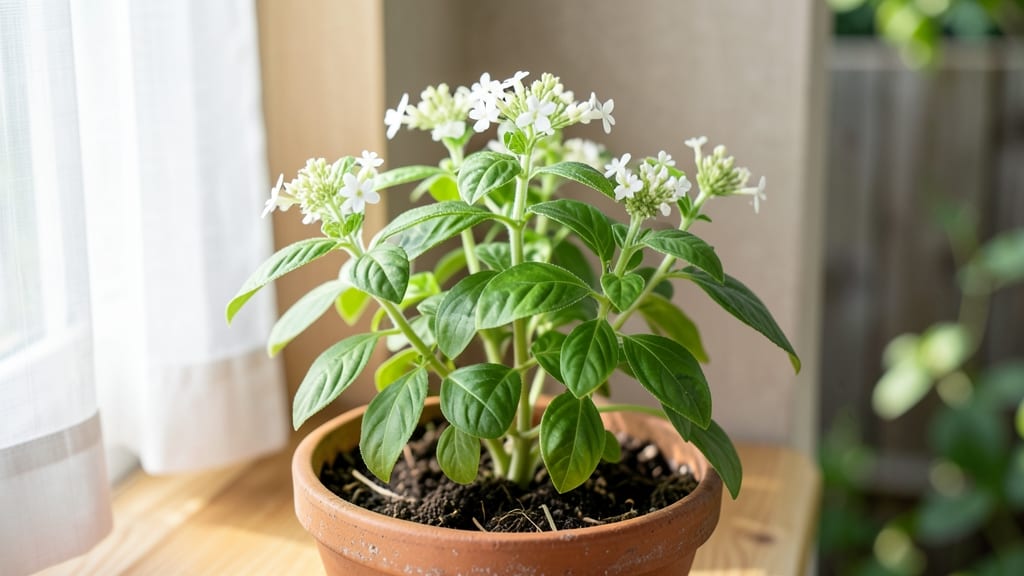
My basil bush plant trick starts with the right variety—Genovese or Spicy Globe—because they naturally grow fuller than grocery store basil. 🌿 The secret isn’t just pruning; it’s timing.
Pinch off the top set of leaves when the plant has 4-6 true leaves, and you’ll trigger bushier growth in just 4 weeks. I’ve done this every spring, and my plants end up so dense they look like little green bushes instead of leggy stalks.
You’ll need well-draining potting mix, a 6-inch pot (or larger for outdoor plants), and 4-6 hours of sunlight daily. Water when the top inch of soil feels dry, but don’t drown it—soggy soil is the #1 killer of basil.
The key is consistency: keep the soil moist but not waterlogged, and you’ll avoid the yellowing leaves that frustrate beginners. Trust me, your basil will thank you with bold, aromatic leaves that taste like fresh summer.
Once your plant hits 6-8 inches tall, start harvesting the top sets of leaves to encourage branching. Snip just above a leaf node (where leaves meet the stem), and new shoots will sprout within 7-10 days.
This isn’t just about bushiness—it’s about nonstop harvests. My plants keep producing for months, and I never have to buy basil again. The smell alone makes it worth the effort.
Watch for pests like aphids or spider mites, which love stressed basil. A quick spray of neem oil or a blast of water usually does the trick. And if your basil bolts (sends up a flower stalk), snip it off immediately—bolting turns leaves bitter and ends the harvest.
With this method, you’ll have a thriving basil bush that looks as good as it tastes, all season long.
📚 In This Guide
- What you need
- Instructions
- Tips and common mistakes
- Wrapping up and next steps
What you need
- ● Basil seeds or seedlings: 1 packet (or 3–5 healthy seedlings for a bushier start)
- ● Potting soil: 1 bag (5–10 gallons, well-draining and organic-rich)
- ● Containers or garden bed: For containers: 5–7-inch pots (per plant) or a large planter (for multiple plants, spaced 12+ inches apart)
- ● For outdoor planting: A sunny spot with loose, fertile soil (amend with compost if needed)
- ● Watering can or hose with a gentle nozzle: 1 (avoid over-saturating the soil)
- ● Fertilizer: Balanced liquid fertilizer (10-10-10 or 20-20-20, diluted to half-strength)
- ● OR slow-release organic granules (follow package instructions)
- ● Gloves: 1 pair (to protect your hands from soil and thorns)
- ● Trowel or small shovel: 1 (for transplanting seedlings or digging holes)
- ● Pruning shears: 1 pair (for pinching back stems to encourage bushiness)
- ○ Spray bottle (optional but handy): For misting seedlings or adjusting humidity
- ● Mulch: Straw or shredded leaves (to retain moisture and suppress weeds)
- ● Grow lights: LED or fluorescent (if growing indoors without enough sunlight)
- ● Support stakes or cages: For taller varieties (like ‘Genovese’ basil)
- ● Compost or worm castings: To boost soil fertility
- ● Plant markers: To label your basil varieties (if growing multiple types)
Step-by-Step instructions for growing a bushy basil plant
Here's the method I swear by to turn skinny basil stems into lush, bushy plants in just a month.
🌱 Step 1: Start with Healthy Starter Plants
Choose 4 healthy basil plants from your garden or nursery—look for ones with 4-6 true leaves and no yellowing. The secret to bushiness starts with strong, established plants. I always pinch off any flowers you see on new plants, because once basil blooms, it focuses energy on seeds instead of leaves.
Check the roots by gently squeezing the pot—if they're tightly bound, it's time to transplant. Don't wait until they're root-bound or you'll shock the plant when you finally move it. Water the plants 12 hours before transplanting so the roots are hydrated but not soggy.
✂️ Step 2: Pinch Back the First Time
When your basil has 4-6 true leaves (not counting the initial seed leaves), it's time for the first pinch. Use clean, sharp scissors to snip just above the 4th leaf pair from the top. This forces the plant to branch out instead of growing tall and leggy.
Here's the trick: I always pinch in the morning so the plant has the whole day to recover. You'll see new side shoots forming within 7-10 days. If your basil grows slowly, don't worry—just keep it in bright, indirect light and water when the top inch of soil feels dry.
💧 Step 3: Maintain Consistent Watering and Fertilizing
Basil needs consistent moisture but hates soggy soil. Water when the top inch feels dry, usually every 2-3 days depending on your climate. I use room-temperature water to avoid shocking the roots. Always water at the base to keep leaves dry—wet foliage invites fungal diseases.
Feed your basil with a balanced liquid fertilizer every 2 weeks during active growth. I mix mine at half-strength to avoid burning the tender roots. The key is consistency—don't skip feedings or your plant will grow weak and leggy again.
☀️ Step 4: Provide Optimal Light Conditions
Basil needs 6-8 hours of direct sunlight daily for bushy growth. Place your plants near a south-facing window or under grow lights if natural light is limited. You'll know your basil isn't getting enough light when stems stretch and leaves grow pale.
Rotate your plants a quarter turn every few days so they grow evenly. If you notice leaves curling toward the light, move the plant closer. The ideal spot gives bright light without scorching leaves. In hot climates, provide afternoon shade to prevent leaf burn.
🌿 Step 5: Continue Pinching for Bushiness
Every time you see a stem grow 4-6 inches tall, pinch it back again. This keeps your basil compact and encourages more branching. I always pinch just above a leaf node where new growth can emerge. You'll create a fuller plant with each pinch.
Harvest leaves regularly to encourage bushier growth—never take more than 1/3 of the plant at once. The more you harvest, the more the plant will branch out. In just 4 weeks, you'll have a lush, bushy basil plant perfect for pots or containers.
Tips & tricks for perfect basil bush growth
These simple strategies will help you transform those skinny basil stems into a thriving, bushy plant in no time.
Timing is Everything: The 12-hour pre-transplant watering is crucial—it ensures the roots are hydrated but not waterlogged, which helps reduce transplant shock. I've found that watering at the same time each day (like early morning) creates a routine that helps the plants adjust faster to their new environment.
Pinching Precision: When you're ready for that first pinch in Step 2, make sure you're cutting just above a leaf node where new growth can emerge. This is where the magic happens! I always use clean scissors to avoid damaging the plant, and I make the cut at a slight angle to prevent water from pooling on the stem, which could lead to rot.
Light and Rotation: The 6-8 hours of direct sunlight mentioned in Step 4 is non-negotiable for bushy growth. If your basil starts stretching toward the light, it's a clear sign it needs more. I've had success using a simple timer to rotate my plants every few days—this ensures even growth all around and prevents lopsided plants. A quarter turn every couple of days is all it takes!
Harvesting Hack: Never take more than one-third of the plant at once when harvesting. This might seem counterintuitive, but it encourages the plant to grow more leaves to compensate. I like to harvest in the morning when the leaves are at their peak freshness, and I always use clean scissors to avoid spreading any potential diseases.
Pro Tips for Basil Bush Plant
- These simple strategies will help you transform those skinny basil stems into a thriving, bushy plant in no time.
- Timing is Everything: The 12-hour pre-transplant watering is crucial—it ensures the roots are hydrated but not waterlogged, which helps reduce transplant shock.
- Pinching Precision: When you're ready for that first pinch in Step 2, make sure you're cutting just above a leaf node where new growth can emerge.
Frequently asked questions
Got questions about growing a lush basil bush?
Here are answers to the most common queries—from pruning to pests and beyond!
How often should I prune my basil bush to keep it bushy?
Prune your basil bush every 2–3 weeks by snipping the top sets of leaves (about 1/3 of the plant) just above a leaf node. This encourages branching and bushier growth. Avoid over-pruning—stick to 2–3 inches above the soil to prevent legginess. Pro tip: Use clean scissors to avoid disease!
Can I grow a basil bush indoors without sunlight?
Yes, but you’ll need a grow light (12–16 hours/day) or a sunny windowsill (south-facing, 6+ hours of light). Without enough light, basil grows leggy and flavorless. Place it 6–12 inches under a LED bulb for best results. Bonus: Rotate the pot weekly for even growth!
What are the most common pests for basil bushes, and how do I fix them?
Watch for aphids, spider mites, or whiteflies. Spray infested areas with neem oil or insecticidal soap (mix 1 tsp per quart of water). For severe cases, rinse leaves with soapy water. Prevent pests by keeping plants healthy, spacing them well, and removing yellowing leaves promptly.
Is it better to grow basil from seeds or seedlings?
Seedlings (transplants) grow faster and are easier for beginners—harvest-ready in 4–6 weeks. Seeds take longer (6–8 weeks to sprout) but offer more variety. If starting from seed, soak them overnight in warm water to speed germination. Tip: Use seed-starting mix for better success!
Can I regrow basil from store-bought stems?
Place stems in water or moist soil, ensuring 2–3 nodes (leaf junctions) are submerged. Change water every 2 days. Roots form in 1–2 weeks. Transplant to soil once roots are 1–2 inches long. Pro move: Skip the water step—plant directly in soil for a quicker bush!
How do I overwinter my basil bush?
Basil is annual, but you can extend its life indoors! Cut back the plant, repot it, and move it to a sunny window (or under grow lights). Reduce watering and fertilize lightly. With care, it may last 6–12 months. Alternative: Dry or freeze leaves for later use!
Wrapping up and next steps
Growing a lush basil bush plant in just four weeks is totally doable—with the right care and a little patience! 🌱 Whether you’re a seasoned gardener or a beginner, this trick ensures your basil thrives with vibrant leaves and a robust structure.
Now that you’re equipped with the best tips, it’s time to roll up your sleeves and get growing!
🌿 Next Steps:
- Start with healthy seeds or cuttings—your basil’s future depends on it!
- Follow your pruning and watering schedule like clockwork.
- Watch your basil transform in weeks, and soon, you’ll be harvesting fresh, flavorful leaves for your favorite dishes.