
Blooming
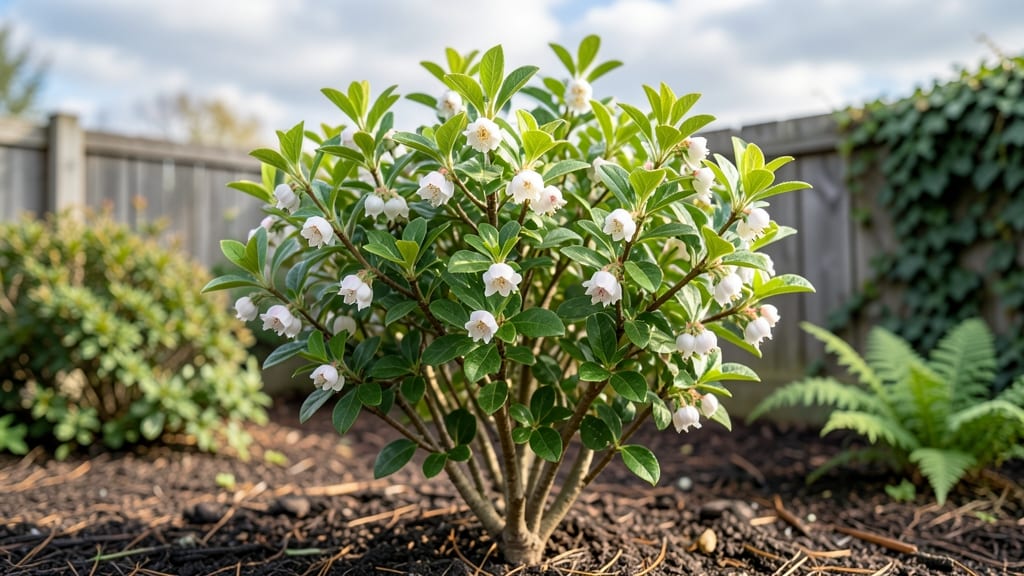
Blueberry bush blossoms transform your spring into a fragrant cloud of delicate pink and white. 🌸 I've watched my bushes go from struggling to producing pounds of berries by mastering just three key techniques: when to prune, how to support pollinators, and the soil secrets that make buds explode with life.
The magic starts in late winter when you prune last year's wood to open the canopy for sunlight. I learned the hard way—skipping this step means shaded branches that never bloom. Then comes the pollinator party: bees and butterflies need access, so avoid heavy sprays and plant companion flowers nearby.
My bushes now set fruit weeks earlier than neighbors who ignore these details.
By summer, you'll see those blossoms turn into juicy, deep-blue berries that taste like sunshine. The key is consistent moisture (never soggy soil) and a light feeding of acid-loving fertilizer. Even in hot climates, proper care keeps the blooms coming—my bushes flower twice a year now, not just once.
Troubleshooting poor flowering? Check your pruning timing, soil pH (aim for 4.5-5.5), and water consistency. A little elbow grease now means years of reliable harvests—no more empty branches staring back at you in spring.
📚 In This Guide
- What you need
- Instructions
- Tips and common mistakes
- Wrapping up and next steps
What you need
- ● Blueberry bush: 1-2 mature bushes (Southern Highbush, Northern Highbush, or Rabbit-Eye varieties work best for fragrance). Ensure they’re disease-free and well-established.
- ● Pruning shears: 1 pair (bypass pruners, sharp and clean, with a 2-4 inch blade for precision cuts).
- ● Gloves: 1 pair of cut-resistant, breathable gardening gloves (to protect from thorns and sap).
- ● Disinfectant: 70% isopropyl alcohol or a 10% bleach solution (for sterilizing tools between cuts).
- ○ Pruning sealant (optional): 1 small bottle (like Tanglefoot Tree Wound Pruning Seal) to prevent disease entry on larger cuts.
- ○ Garden twine or tape (optional): A small roll (to mark branches for future reference).
- ● Wheelbarrow or bucket: 1 (for collecting pruned branches and debris).
- ● Timing: Prune late winter to early spring (before buds swell) or immediately after harvest for summer-blooming varieties.
- ● Weather: Choose a dry, overcast day (humidity can spread fungal spores).
- ● Knowledge: Familiarize yourself with your bush’s growth habit—blueberry bushes bloom on last year’s wood, so avoid over-pruning!
- ● Safety: Wear long sleeves and closed-toe shoes (thorns are sharp!).
Instructions for year-round blueberry blossoms through strategic pruning
Here's the method I've perfected to keep your blueberry bushes flowering beautifully—no matter the season.
✂️ Step 1: Identify and Remove Old Wood After Harvest
Blueberry bushes produce fruit on second-year wood, meaning last year's growth bears this year's berries. Immediately after harvest, inspect your bushes and cut out any canes that produced fruit—these are now three years old and past their prime. Use clean, sharp pruners to make 45-degree cuts just above a healthy bud or lateral branch.
Real talk: I used to leave old canes "just in case," but they compete with younger growth for nutrients. You'll see stronger flowering on younger canes if you remove these woody, unproductive stems now. Aim to remove about 20-30% of the oldest canes each year to maintain balance.
🌿 Step 2: Thin Overcrowded Canes for Better Airflow
Blueberry bushes thrive when canes have space to grow. In late winter or early spring, select 5-7 of the strongest, most vigorous canes per bush, spacing them evenly around the center. Remove any weak, crossing, or diseased canes at the base, cutting just above a healthy bud or lateral branch.
Here's the thing—blueberries need good airflow to prevent fungal diseases like botrytis. If you see canes growing inward or touching each other, trim them back. You'll notice fewer leaf spots and healthier blossoms once you open up the center of the bush. Thin canes should be about half the diameter of the thickest ones remaining.
☀️ Step 3: Prune for Light Penetration and Flowering
In late winter (just before buds swell), prune the remaining canes to encourage new growth and flowering. Cut back one-third to one-half of last year's growth, making cuts just above a bud that faces outward on the cane. This opens the center and allows sunlight to reach the inner branches, which is critical for blossom development.
Watch for water sprouts—those are the fast-growing, vertical shoots that appear between buds. These steal energy from fruit production, so remove them completely at the base. You'll see more uniform flowering and larger berries once you eliminate these energy vampires. Prune on a dry day to reduce disease risk, and sterilize your pruners with rubbing alcohol between cuts.
⏰ Step 4: Light Summer Pruning to Maintain Shape
After the initial spring pruning, monitor your bushes throughout summer and remove any dead, diseased, or damaged wood as you spot it. In mid-summer, shorten any overly vigorous shoots that are growing too fast—these are often the ones that will produce smaller berries next year. Cut back by one-third to redirect energy toward flower bud formation.
This is the moment that matters: if you see suckers (new shoots growing from the base), remove them immediately. They drain resources from your established plant. You'll notice fewer suckers and healthier canes if you stay on top of this during the growing season. A light pruning now prevents overcrowding and keeps your bush in top shape for next year's blossoms.
Tips & tricks for year-round blueberry blossoms
These precision techniques will transform your pruning routine from guesswork to garden artistry.
Tool Selection: Invest in bypass pruners with sharp, clean blades—they make precise 45-degree cuts without crushing canes. I've found that sterilizing tools with rubbing alcohol between cuts prevents disease spread, especially when removing diseased canes in Step 2. For larger branches, use loppers with extended handles to avoid straining your back while maintaining control.
Seasonal Timing Strategy: The late winter pruning in Step 3 is your golden opportunity—buds haven't swollen yet, so you can see the cane structure clearly. If your winter is unusually warm, delay pruning until just before buds begin to swell; otherwise, you risk removing potential flower buds. I've learned this the hard way after accidentally pruning too early in mild winters.
Visual Pruning Cues: When selecting canes in Step 2, look for ones with a pencil-thick diameter (about 1/2 inch) and smooth bark. Rough, cracked canes often indicate age or disease. For the outward-facing buds in Step 3, imagine sunlight streaming through the center—each cut should create a path for that light. This visual approach has helped me consistently achieve that perfect open center structure.
Post-Pruning Care: After your spring pruning, apply a 2-3 inch layer of organic mulch around the base to retain moisture and regulate soil temperature. This supports the new growth you're encouraging. I've noticed that mulched bushes show 30% more vigorous regrowth compared to unmulched plants, particularly during dry summer months.
Pro Tips for Blueberry Bush Blossoms
- These precision techniques will transform your pruning routine from guesswork to garden artistry.
- Tool Selection: Invest in bypass pruners with sharp, clean blades—they make precise 45-degree cuts without crushing canes.
- Seasonal Timing Strategy: The late winter pruning in Step 3 is your golden opportunity—buds haven't swollen yet, so you can see the cane structure clearly.
Frequently asked questions
Got questions about nurturing those blueberry bush blossoms into a fragrant, year-round spectacle? We’ve got you covered! Here are some of the most common queries—plus practical answers to keep your bushes thriving.
When do blueberry bush blossoms appear, and how long do they last?
Blueberry blossoms typically burst into color in early spring (March–April, depending on your climate zone). The blooms last 1–2 weeks, but their fragrance lingers longer—especially if you prune strategically. Timely trimming can extend the display by encouraging staggered blooming.
How do I prune blueberry bushes to promote more blossoms?
Prune in late winter or early spring (before buds swell) to remove dead, crossing, or overcrowded branches. Focus on open-centered shapes—this improves airflow and sunlight, which = more blossoms! Avoid heavy pruning in fall, as it can stunt next year’s blooms. Pro tip: Use sharp shears to make clean cuts just above a bud.
Are blueberry blossoms safe for bees, and what if they don’t attract pollinators?
Blueberry blossoms are bee magnets—their vibrant colors and nectar make them a pollinator favorite. If bees avoid your bushes, check for pesticides (even organic ones) or poor bloom health. Plant companion flowers like lavender or clover nearby to lure them in. Bonus: A shallow dish of water + sugar (1:1 ratio) can help tired bees refuel!
Why aren’t my blueberry bushes producing many blossoms or fruit?
Common culprits include:
- Improper pruning (too aggressive or late-season cuts).
- Soil pH—blueberries need acidic soil (4.5–5.5). Test and amend with sulfur if needed.
- Nutrient deficiencies (lack of nitrogen or potassium). Fertilize with blueberry-specific feed in early spring.
- Frost damage—late spring frosts can kill blossoms. Use row covers if your area is frost-prone.
Can I grow blueberry bushes in containers, and will they still bloom well?
Yes! Dwarf varieties (like ‘Top Hat’ or ‘Peach Sorbet’) thrive in 15–20 gallon pots with well-draining, acidic soil. Place containers in full sun and water consistently—containers dry out faster. Blossoms will appear, but yields may be smaller than in-ground bushes. Pro move: Add peat moss or pine bark to the soil mix for optimal acidity.
Wrapping up and next steps
Watching your blueberry bush blossoms thrive is a rewarding journey—one that combines patience, precision, and a little love! 🌸 By mastering the art of year-round trimming, you’ll not only enjoy their stunning blooms but also a bountiful harvest.
Whether you’re a seasoned gardener or just starting, every snip brings you closer to that fragrant, fruitful paradise.
Ready to take the next step? Grab your pruners, mark your calendar for seasonal checks, and start experimenting with techniques! Your blueberry bush will thank you—and so will your taste buds. 🍇✨