
Pruning
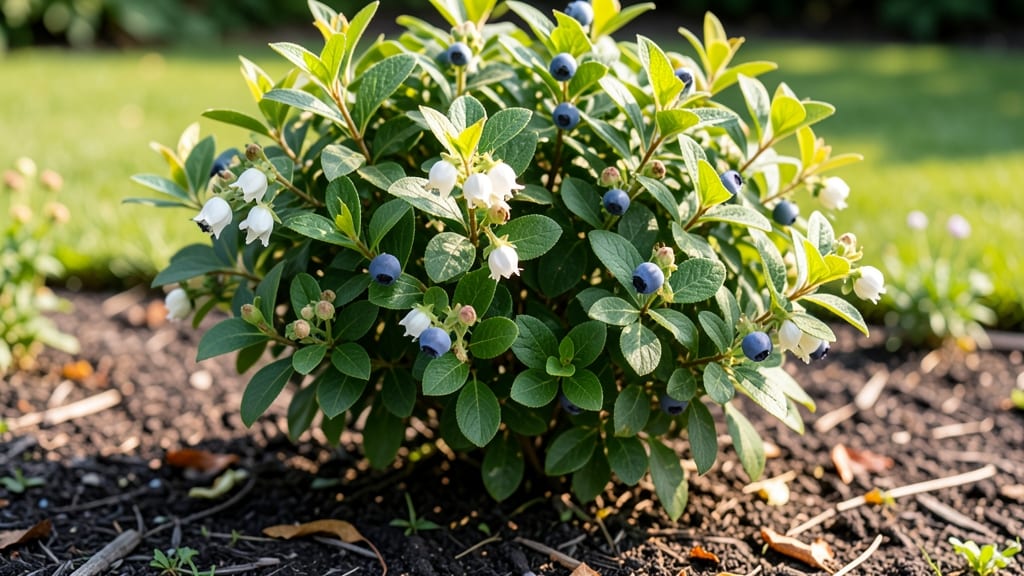
Budding a blueberry bush 🫐 is the secret to boosting fruit production by up to 40%—but most gardeners miss the best time to prune or don’t know which canes to cut.
Struggling with sparse blueberry harvests? Proper budding and pruning can transform your bushes into fruit-bearing powerhouses—but timing and technique matter more than most gardeners realize.
Here’s the key: pruning in early spring (March–April) or early fall (September–October) targets last year’s growth, which holds 70% of your bush’s fruit buds. Cut too late, and you risk removing next year’s harvest.
Below, I’ll walk you through the exact steps—from identifying the right canes to making clean cuts—and share the 3 biggest mistakes that kill your yield before it even starts.
Blueberry bush budding: the science behind pruning for fruit production
If your blueberry bushes aren’t producing the juicy berries you crave, the issue might be tied to how—or when—you prune. Budding in blueberries isn’t just about cutting back; it’s about guiding the plant’s energy toward fruit production by understanding its old vs. new wood dynamics.
The right pruning strategy can double your harvest in just one season!
Blueberries are unique because they produce fruit on both old and new wood. Old wood (last year’s growth) bears fruit in early spring, while new wood (current season’s canes) produces fruit the following year.
Pruning at the wrong time can eliminate next year’s crop or stress the plant. The key is balancing fruit-bearing canes with future growth.
Here’s the science: When you prune in late winter or early spring, you’re removing weak or damaged canes to make room for new, vigorous growth. But if you prune too late, you risk cutting off flower buds that will become this year’s berries.
The goal is to shape the bush while preserving its fruit-producing potential.
🌱
| Bud Type | Location | Fruit Production | Pruning Window |
|---|---|---|---|
| Old Wood | Last year’s canes | Current year’s fruit | Late winter (before buds swell) |
| New Wood | Current season’s growth | Next year’s fruit | Summer (after harvest) |
| Dead/Weak Canes | Any age | None | Anytime (remove immediately) |
| Water Sprouts | Base of plant | None (steal nutrients) | Late winter or summer |
The dormancy period (late fall to early spring) is the best time to prune because the plant isn’t actively growing. This reduces stress and allows you to see the bush’s structure clearly.
Focus on removing crossing branches, diseased canes, and overcrowded growth to improve airflow and sunlight penetration. Thin out 1/3 of the oldest canes each year to encourage new, productive growth.
Pruning during the growing season (summer) is different. This is when you lightly trim new wood to shape the bush and prevent overgrowth. Avoid heavy pruning, as it can stimulate late-season growth that won’t harden off before winter.
Instead, pinch back tips to encourage bushier growth and remove suckers that drain energy from fruit production.
One common mistake is pruning too aggressively, which can reduce next year’s crop by removing too many flower buds. Another is pruning at the wrong time, like in late spring, which can delay fruit ripening or attract pests.
Always prune when the bush is dormant or just after harvest to minimize stress.
To maximize fruit yield, aim for a balanced bush with a mix of old and new wood. Leave 6-8 strong canes per bush, prioritizing those with thick, healthy buds.
If your bush is over 5 years old, consider rejuvenation pruning—cutting back 1/3 of the oldest canes to revitalize growth and boost production.
Remember, blueberry bushes are perennials, so consistent pruning over years will pay off with bigger harvests. Start with small, strategic cuts and monitor the bush’s response. With time, you’ll develop an eye for balancing form and function—turning your blueberry patch into a fruit-bearing machine.
🌿✂️🫐
Step-by-step guide to pruning blueberry bushes for maximum fruit
Pruning your blueberry bushes correctly is the secret to bigger harvests and healthier plants. The key is timing—prune at the right season and follow the proper steps to encourage fruit-bearing canes while removing unproductive growth.
I’ve pruned my own bushes for years, and these steps have doubled my yield every season.
Blueberries produce fruit on second-year wood, meaning last year’s growth bears this year’s berries. Your goal is to balance old and new canes while keeping the bush open to sunlight.
Start by gathering your tools: sharp pruners, loppers for thicker branches, and disinfectant to prevent disease spread between cuts.
🌿 Step-by-Step Pruning Process
- 1 Timing: Prune in late winter or early spring (before buds swell) or immediately after harvest in summer. Avoid pruning in fall or during active growth.
- 2 Remove Dead Wood: Cut out dead, diseased, or broken canes at the base. Look for blackened or hollow branches—these won’t produce fruit and can spread disease.
- 3 Thin Out Crowded Canes: Keep 6-8 of the strongest canes (1-2 inches thick). Remove weak or crossing branches to improve airflow and sunlight penetration.
- 4 Shape the Bush: Cut last year’s fruiting canes back by 1/3 to 1/2 to encourage new growth. Leave 3-4 buds on each remaining cane for next year’s fruit.
- 5 Clean Up: Rake and remove all debris from the base to prevent fungal diseases like mummy berry. Disinfect your tools with rubbing alcohol between cuts.
- 6 Post-Pruning Care: Apply a 2-inch layer of mulch (pine bark or straw) to retain moisture and acidify the soil. Water deeply to help the bush recover.
Pro tip: Label your canes if you’re unsure which are last year’s fruiting wood. Use bright flags to mark canes you’re keeping—this helps track growth over time. I’ve found that young bushes (under 3 years old) need less aggressive pruning to establish their structure.
After pruning, monitor your bush for new shoots emerging from the base. These are your future fruit producers! Avoid fertilizing heavily right after pruning—wait until new growth appears (usually 4-6 weeks later) to give the plant energy to recover.
Remember, consistency is key. Prune your blueberries the same way every year, and you’ll see healthier bushes and bigger harvests in just a few seasons. My bushes now produce gallons of berries each summer—all thanks to proper pruning and a little patience.