
Pruning
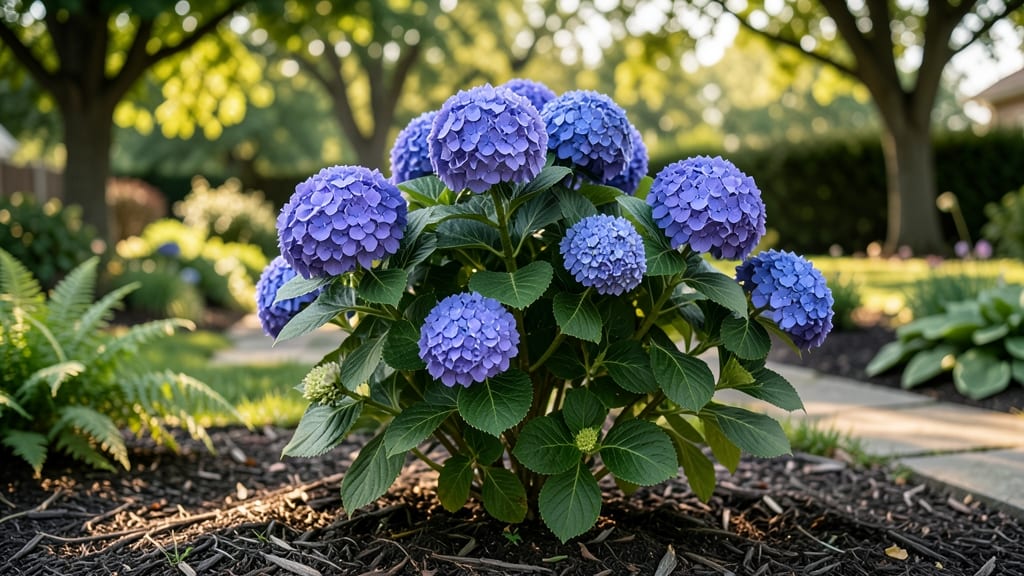
The Bobo hydrangea bush blooms like crazy when you prune it right in late winter. ✂️ I used to trim mine in spring—until I realized I was cutting off next year’s flowers.
The secret is a sharp pair of shears and a little patience, and you’ll end up with football-sized blooms that last all summer.
This compact hydrangea thrives in partial shade and well-draining soil, but the real magic happens in February. That’s when you shape the bush while it’s still dormant, removing dead stems and thinning crowded branches.
It’s easier than you think—no fancy techniques, just clean cuts and a clear vision for how you want it to look.
By late spring, you’ll see fresh green growth where you made your cuts, and by summer, those stems will be heavy with blooms. The flowers start as tiny buds and grow into 3- to 4-inch clusters that turn from green to pink to deep purple as the season progresses.
It’s like watching a slow-motion showstopper unfold.
Works for containers or garden beds, and it’s tough enough to handle zone 4 winters. The key is timing—don’t prune too early, and don’t wait until the leaves appear. Late winter is your sweet spot for maximum impact with minimal effort.
📚 In This Guide
- What you need
- Instructions
- Tips and common mistakes
- Wrapping up and next steps
What you need
- ● Pruning shears: Sharp, bypass-style shears (for clean cuts) or anvil-style for thicker stems (3–4mm blade thickness). Pro tip: Disinfect blades with rubbing alcohol before and after use! 💡
- ● Loppers: 1 pair (8–10" handle length) for stems thicker than ½ inch.
- ● Gloves: Heavy-duty, garden-grade gloves (cut-resistant for safety).
- ○ Pruning saw: Optional but handy for thick, woody stems (8–10" curved blade).
- ● Rake or broom: For clearing debris post-prune.
- ● Watering can or hose: With a gentle spray nozzle (for post-pruning hydration).
- ○ Pruning sealant: (Optional but recommended for cuts > ½ inch—e.g., Tanglefoot Pruning Seal).
- ● Weather: Choose a dry, mild day (40–60°F) to avoid stressing the plant.
- ● Timing: Prune late winter (just before new growth starts, typically February–March in most climates).
- ● Safety gear: Safety glasses (if dealing with thorny stems or heavy branches).
- ● Clean workspace: Lay down a tarp or old sheet to collect clippings.
- ● Handheld magnifying glass (to spot hidden buds on older wood).
- ● Pruning paint (for sealing larger cuts—matches the plant’s natural color!).
- ● Disposable pruning bags (to haul away clippings easily).
- ● Notebook & pen (to sketch your pruning plan before diving in!).
Step-by-step guide to pruning your Bobo hydrangea for maximum blooms
Here’s how I transform my Bobo hydrangeas into bushy, flower-packed powerhouses every year—no guesswork involved.
✂️ Step 1: Time Your Pruning Precisely
Prune your Bobo hydrangea in late winter, just before new growth begins but after the worst cold snaps. I aim for mid-February to early March in my zone 6 climate—this gives buds time to form before summer heat arrives. Never prune in fall or early winter, as you’ll cut off next year’s flower buds before they set.
Look for swollen buds along the stems—these are your signal to hold off. If you see even a hint of green growth, wait another week. Cold damage can mimic dormancy, so avoid pruning after hard freezes until you’re sure the plant has survived.
✂️ Step 2: Identify Last Year’s Blooms and Dead Wood
Bobo hydrangeas bloom on old wood, meaning flowers form on stems that grew last season. Scan your bush and mark any brown, crispy stems—these are dead and can be removed completely. Use sharp pruning shears to cut just above a leaf node or outward-facing bud, angling the cut slightly downward to prevent water pooling.
For stems with last year’s spent flower clusters, cut them back to the first set of healthy buds below the bloom. These buds will grow into new stems that produce this year’s flowers. I like to step back every few cuts to visualize the plant’s shape—this prevents over-pruning and maintains a full, rounded form.
✂️ Step 3: Thin Out Crowded Stems for Better Airflow
Remove 1-3 of the oldest, thickest stems at ground level to encourage younger, more vigorous growth. Bobo hydrangeas naturally produce multiple stems, and thinning prevents disease by improving airflow. Aim to leave 5-7 of the healthiest, most upright stems—these will carry the most blooms.
Cut stems at a 45-degree angle about ¼ inch above a bud that faces outward. This encourages growth in the direction you want. Avoid leaving stubs or tearing the bark—rough cuts invite pests and disease. If a stem is too thick for your shears, use a pruning saw instead.
☀️ Step 4: Shape for Sunlight and Structure
Step back and assess your bush’s shape in relation to sunlight. Bobo hydrangeas need full sun to partial shade (at least 4-6 hours of direct sun daily). Trim any stems growing inward or crossing others to prevent rubbing, which damages bark and weakens the plant.
For a naturally full look, focus cuts on the outer third of the plant. This opens up the center for better light penetration and airflow. Avoid cutting more than ⅓ of the plant’s total stems in one season—this stresses the bush and reduces flowering.
💧 Step 5: Clean Up and Fertilize for Spring Growth
After pruning, rake up and dispose of all clippings to prevent disease. I like to sterilize my shears with rubbing alcohol between cuts to avoid spreading pathogens. Once pruning is done, apply a balanced, slow-release fertilizer (10-10-10 ratio) around the base of the plant, keeping it 3-4 inches away from the stem to avoid burning roots.
Water deeply after fertilizing to help nutrients absorb. Mulch with 2-3 inches of organic mulch (like shredded bark) to retain moisture and regulate soil temperature. This step sets the stage for explosive growth and bigger, more vibrant blooms come summer.
Tips & tricks for perfect Bobo hydrangea pruning
These simple tricks will help you trim your Bobo hydrangea like a pro—no more guesswork, just stunning blooms.
Timing is Everything: The mid-February to early March window is critical because it aligns with when Bobo hydrangeas naturally begin forming buds. If you prune too early (like in January), you risk cutting off next year's flower buds before they set. I always check for swollen buds—if I see even a hint of green growth, I wait another week. This timing ensures your plant has the best chance to produce abundant blooms for the coming season.
Visual Cues for Pruning: When you're cutting back stems with last year's spent flower clusters, look for the first set of healthy buds below the bloom—this is your target cut point. These buds will grow into new stems that produce this year's flowers. I like to step back every few cuts to visualize the plant's shape; this helps me avoid over-pruning and maintain that full, rounded form that Bobo hydrangeas are known for.
Precision Cutting Technique: Cutting at a 45-degree angle about ¼ inch above an outward-facing bud is a game-changer. This angle prevents water from pooling on the cut, which can lead to rot. Plus, the outward-facing bud encourages growth in the direction you want. For thicker stems, a pruning saw works best—your regular shears might struggle and could tear the bark, inviting pests and disease.
Sunlight Strategy: After pruning, focus cuts on the outer third of the plant to create that naturally full look. This opens up the center for better light penetration and airflow, which is especially important for Bobo hydrangeas that need at least 4-6 hours of direct sun daily. Avoid cutting more than ⅓ of the plant's total stems in one season—this prevents stress and ensures you'll still have plenty of blooms.
Pro Tips for Bobo Hydrangea Bush
- These simple tricks will help you trim your Bobo hydrangea like a pro—no more guesswork, just stunning blooms.
- Timing is Everything: The mid-February to early March window is critical because it aligns with when Bobo hydrangeas naturally begin forming buds.
- Visual Cues for Pruning: When you're cutting back stems with last year's spent flower clusters, look for the first set of healthy buds below the bloom—this is your target cut point.
Frequently asked questions
When is the exact best time to prune my Bobo hydrangea?
The ideal window is late winter (February–March), before new growth starts. This ensures you’re cutting back dormant stems while avoiding accidental pruning of next year’s flower buds. Pro tip: If you miss late winter, wait until early spring—but never prune after June, or you’ll risk losing blooms for the season!
Can I prune my Bobo hydrangea in early spring?
Yes, but with caution! Early spring pruning (April) is better than nothing, but you’ll sacrifice some flower size. If you prune too late (May or June), you’ll likely remove this year’s buds entirely. Stick to late winter for the biggest, healthiest blooms—your future self will thank you!
How much should I cut back my Bobo hydrangea?
For Bobo hydrangeas, aim to reduce each stem by about ⅓ of its height. This encourages bushier growth and more abundant flowers. Avoid over-pruning—never cut more than half the plant, or you’ll stress it. Pro tip: Use clean, sharp shears to make 45-degree cuts just above a leaf node.
What if I prune at the wrong time and my Bobo doesn’t bloom?
Don’t panic! If you pruned too late (after June), your current season’s flowers may not appear, but the plant will still grow. Next year’s blooms should bounce back if you prune correctly in late winter. Fertilize lightly in early spring to help recovery, and keep the soil moist but well-drained.
Are there any alternatives to pruning if my Bobo looks overgrown?
If pruning feels overwhelming, try selective thinning—remove only the oldest, thickest stems (usually the ones in the center) to improve airflow. You can also shape lightly by trimming just the tips of overlong branches. Deadheading spent blooms in fall can also encourage new growth—but never prune in fall!
Why are my Bobo hydrangea leaves turning yellow or brown after pruning?
Yellowing leaves often signal over-pruning or stress. If the discoloration is localized (near cuts), it’s likely just healing. For widespread yellowing, check for underwatering, nutrient deficiencies (like iron), or pests. Fix it: Water deeply, apply a balanced fertilizer, and inspect for aphids or spider mites.
Wrapping up and next steps
Ready to transform your Bobo Hydrangea bush into a lush, blooming beauty? Late-winter pruning is your secret weapon—just follow the right techniques to encourage bigger, healthier blooms this season. 🌸 With the right tools, timing, and a little patience, you’ll enjoy a stunning display that’s the envy of the neighborhood.
Now’s the perfect time to roll up your sleeves! Grab your pruners, review those key steps, and give your hydrangea the care it deserves. Happy pruning—and happy gardening! 🌿