
Pruning
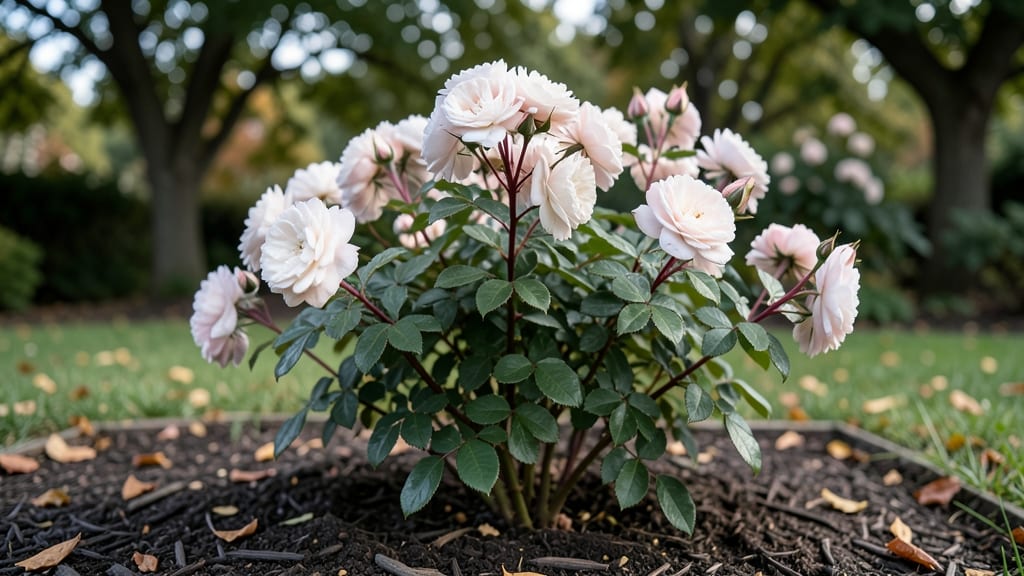
That Burgundy Ice rose bush could be your garden's star performer this spring—if you prune it right in late winter. 🌸 I've watched this deep-pink beauty transform from a tangled mess into a showstopper with just a few strategic cuts, and the secret lies in timing, technique, and a little patience.
The magic happens when you prune after the last frost but before new growth appears. This variety blooms on new wood, so aggressive pruning isn't just safe—it's essential for those bold, repeat blooms you're dreaming of.
Start by removing any dead, diseased, or crossing branches first, then shape the bush by cutting back last year's growth by one-third to one-half.
What you'll end up with is a bush that looks like it was professionally landscaped, with strong, upward-facing canes that produce clusters of those stunning burgundy-pink blooms. The flowers arrive earlier than many roses, and with proper care, they'll keep coming all season long.
Works for both new plantings and established bushes—just adjust the pruning intensity based on how vigorous your plant is. Here's how to do it without turning your rose into a sad, over-pruned stump.
📚 In This Guide
- What you need
- Instructions
- Tips and common mistakes
- Wrapping up and next steps
What you need
- ○ Pruning shears: Bypass pruners (sharp, clean, and disinfected with rubbing alcohol). Optional: Loppers for thicker stems (if your bush is mature).
- ● Gloves: Heavy-duty, cut-resistant gloves to protect hands from thorns.
- ● Disposable pruning bags: 1–2 heavy-duty bags (10–20 gallon size) for collecting debris.
- ● Rake or broom: A stiff-bristled tool to clear fallen leaves/debris from the base.
- ○ Hose or watering can: For post-pruning hydration (optional but highly recommended!).
- ○ Pruning sealant (optional): Wound dressing (like Tanglefoot Pruning Seal) for large cuts—only if your bush is prone to disease.
- ● Timing: Prune on a dry, frost-free day after the last hard freeze (typically late February–early March, depending on your zone).
- ● Weather: Choose a day with temperatures above 40°F (4°C) and no rain in the forecast.
- ● Tools check: Sharpen blades and oil hinges on shears before you start.
- ● Safety first: Wear closed-toe shoes and avoid pruning near power lines!
Instructions: late-winter pruning for bold, repeat blooms
Here's how I transform my Burgundy Ice roses from winter's dormancy into a showstopper for spring.
🌿 Step 1: Time Your Prune for Perfect Growth
Wait until late winter when your region's last frost date is 6-8 weeks away. I check my local frost calendar and mark the date—pruning too early risks cold damage, while waiting too long delays spring blooms. For most climates, this falls between mid-February and early March. Look for swollen buds on stems as your signal that growth is about to begin.
Morning is the best time to prune. The plant's moisture content is highest after a night's rest, and you'll avoid the midday heat that can stress freshly cut stems. Grab your tools and work when the temperature is above 40°F—any colder and the plant's sap slows down, making cuts heal poorly.
✂️ Step 2: Remove Dead and Weak Growth First
Start by cutting out any dead, diseased, or crossing branches. These are easy to spot—they're brown, brittle, or growing inward where they'll choke healthy stems. Use clean, sharp pruners to make cuts at a 45-degree angle, about ¼ inch above a outward-facing bud. This angle helps rainwater run off instead of pooling on the cut.
I always prune from the bottom up, working my way to the top of the bush. This lets me see the plant's natural shape emerge as I go. Remove any branches that are thinner than a pencil—these won't contribute much to the plant's vigor and just take energy from stronger growth.
🌱 Step 3: Shape for Airflow and Structure
Now focus on shaping the bush for maximum airflow and bloom display. Burgundy Ice roses bloom on new wood, so you can be aggressive with your cuts—up to ⅓ of the plant's total volume. Make cuts just above a bud that faces outward, which encourages growth that fills the center rather than sprawling outward.
Step back frequently and visualize the plant's shape. Aim for an open center that lets light and air penetrate to the middle. This prevents fungal diseases and ensures even blooming throughout the bush. For a 4-foot-tall Burgundy Ice, I typically end up with 6-8 main stems that will support the next season's flowers.
☀️ Step 4: Fertilize and Hydrate After Pruning
Apply a balanced, slow-release fertilizer (10-10-10 ratio) right after pruning to give the plant a nutrient boost as it prepares for new growth. I sprinkle it evenly around the base, then water deeply to activate it. This timing gives roots time to recover from pruning stress before they need to support new shoots.
Water thoroughly until moisture reaches 12 inches deep—you'll know it's enough when water begins to pool on the surface. Mulch with 2-3 inches of organic mulch to retain moisture and protect roots from temperature swings. Avoid overwatering now; the goal is to encourage root growth, not flush out nutrients.
⏰ Step 5: Monitor and Prepare for Spring Growth
Watch for new growth within 2-3 weeks—you'll see bright green buds along the stems as your reward for timing it right. If growth stalls, check for signs of stress like yellowing leaves or wilting. This could mean your cuts were too severe or the weather turned unexpectedly cold.
As shoots emerge, thin them if needed to maintain your desired shape. I usually let the strongest 3-4 shoots per stem continue growing, removing weaker ones at the base. This ensures the plant puts its energy into developing strong blooms rather than supporting excess foliage. By late spring, you'll have a bush covered in those signature semi-double burgundy blooms.
Tips & tricks for perfect late-winter rose pruning
These game-changing insights will help you transform your Burgundy Ice roses into a lush, blooming masterpiece every spring.
Timing is Everything: The 6-8 week window before your last frost date is crucial—this gives your plant enough time to recover before spring's warmth arrives. I check my local frost calendar and mark the date in red on my gardening planner. If you live in a warmer climate where winter is mild, look for those swollen buds as your green light to prune. Real talk: I've learned the hard way that pruning too early can shock the plant when cold snaps still happen.
Pruning Technique Matters: When making those 45-degree cuts in Step 2, visualize the water running off the cut like a roof. This simple angle prevents water from pooling and causing rot. I also recommend sterilizing your pruners between cuts with rubbing alcohol—this prevents spreading disease from any infected branches. For the pencil-thin branches mentioned, I use small hand pruners rather than my larger lopping shears to avoid damaging the remaining stem tissue.
Shape with Purpose: The open center you create in Step 3 isn't just about looks—it's about airflow. I imagine the bush as a dome where air can circulate freely to the center. This prevents fungal issues like black spot that can ruin your blooms. Pro tip: Step back every 5-6 cuts and squint at your bush—you should see light penetrating to the middle. If you're struggling to visualize, take a photo of a well-shaped rose bush online for reference.
Post-Pruning Care: The 12-inch deep watering in Step 4 is non-negotiable—this ensures moisture reaches the root zone where new growth will begin. I use a soil probe to check moisture levels if I'm unsure. For the mulch layer, I prefer shredded hardwood bark because it breaks down slowly and improves soil structure over time. And remember: that balanced fertilizer isn't just for show—it replenishes nutrients lost during pruning and prepares the plant for its growth spurt.
Pro Tips for Burgundy Ice Rose Bush
- These game-changing insights will help you transform your Burgundy Ice roses into a lush, blooming masterpiece every spring.
- Timing is Everything: The 6-8 week window before your last frost date is crucial—this gives your plant enough time to recover before spring's warmth arrives.
- Pruning Technique Matters: When making those 45-degree cuts in Step 2, visualize the water running off the cut like a roof.
Frequently asked questions
Got questions about your Burgundy Ice Rose Bush? You’re not alone! Here are answers to the most common concerns—from pruning tips to troubleshooting—so you can keep your shrub thriving and blooming beautifully.
When is the best time to prune my Burgundy Ice Rose?
The ideal time is late winter (just before new growth starts) or early spring. This aligns with its dormant season and encourages bold, repeat blooms by removing dead wood and shaping the bush. Avoid pruning in fall—it can stimulate tender growth that won’t survive winter.
How much should I trim back my Burgundy Ice Rose?
Cut back one-third to one-half of the previous year’s growth, focusing on:
- Dead or crossing branches (to improve airflow)
- Overly long stems (to maintain a compact shape)
- Weak, leggy growth (for denser foliage)
What if my Burgundy Ice Rose isn’t blooming after pruning?
Check these common culprits:
- Pruned too late: Late-spring pruning can delay blooms. Stick to late winter/early spring.
- Over-fertilized: Too much nitrogen = lush leaves, few flowers. Use a balanced rose fertilizer (10-10-10) instead.
- Poor sunlight: Burgundy Ice Roses need 6+ hours of sun daily. Move it if shaded by trees or structures.
Can I prune my Burgundy Ice Rose in summer?
Yes, but lightly! Summer pruning is best for:
- Removing spent blooms (deadheading) to encourage more flowers.
- Shaping after major blooms (e.g., June/July) to maintain form.
What’s a good alternative if I don’t want to prune much?
If pruning feels overwhelming, try these low-maintenance swaps:
- ‘Iceberg’ Rose: Thrives with minimal pruning and offers continuous blooms.
- Knock Out® Roses: Disease-resistant and self-cleaning (no deadheading needed!).
- Dwarf Shrub Roses (e.g., ‘The Fairy’): Compact and low-fuss for small gardens.
Wrapping up and next steps
Your burgundy ice rose bush is ready to shine—with the right late-winter pruning, you’ve set the stage for stunning, repeat blooms all season long! 🌸 Remember, timing, sharp tools, and a little patience are your best friends.
Now that you’re armed with knowledge, grab those shears and give your plant the TLC it deserves.
Ready to transform your garden? Start by inspecting your bush this spring—look for new growth and dead branches, then repeat the process with confidence. Happy pruning!