
Pruning
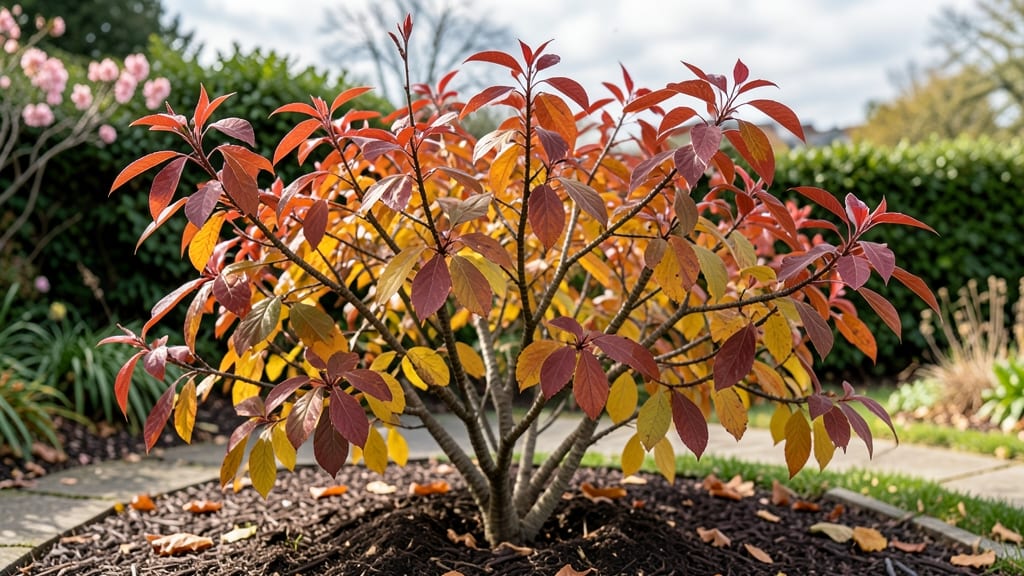
Understanding the mature burning bush height and spread is the first step to turning this fiery shrub into your garden’s star 🌿.
Picture this: a 12-foot-tall wall of red in fall, casting dramatic shadows across your patio—or a compact 3-foot accent plant that fits neatly between stepping stones. The difference? Variety choice and spacing. Without the right plan, your burning bush could either dominate your yard or disappear into the background.
Below, I break down the exact height and spread ranges for popular cultivars like 'Compactus' and 'Rudolph,' plus how to use those numbers to design hedges, borders, or focal points that wow year-round. Pruning tips included!
Ready to stop guessing and start designing with confidence? Let’s dive into the growth charts and placement secrets that make burning bush landscaping foolproof.

Burning bush height and spread: mature size by popular varieties
The burning bush (Euonymus alatus) is a versatile shrub that offers stunning fall foliage and year-round interest. However, its height and spread vary dramatically by variety, making it crucial to select the right cultivar for your landscape design.
Some varieties grow as compact as 3 feet, while others reach towering 15 feet—each with unique growth habits that impact pruning needs and spacing requirements.
When planning your garden layout, consider both mature height and spread to avoid overcrowding. For example, a 'Wichita' burning bush can spread 12 feet wide, while the 'Compactus' stays neatly contained at just 4 feet.
Understanding these differences helps you create privacy screens, foundation plantings, or accent shrubs that fit perfectly in your space.
Sun exposure also plays a key role in growth habits. Most burning bushes thrive in full sun to partial shade, but varieties like 'Albomarginatus' may grow slightly slower in low-light conditions.
Below, I’ve compiled a growth chart for popular cultivars to help you visualize their mature sizes and plan accordingly.
| Variety | Mature Height | Mature Spread | Growth Rate | Growth Habit | Best For |
|---|---|---|---|---|---|
| 'Compactus' | 3–5 ft | 4–6 ft | 12–18 in/year | Upright, compact | Small gardens, containers |
| 'Rudolph' | 5–8 ft | 6–8 ft | 18–24 in/year | Upright, slightly spreading | Hedges, medium borders |
| 'Wichita' | 8–12 ft | 8–12 ft | 24 in/year | Spreading, multi-stemmed | Privacy screens, large borders |
| 'Albomarginatus' | 6–10 ft | 6–10 ft | 18–24 in/year | Upright, variegated | Accent plants, focal points |
| 'Emerald Gaiety' | 4–6 ft | 5–7 ft | 12–18 in/year | Compact, multi-stemmed | Foundation plantings, containers |
The 'Compactus' variety is ideal for small gardens or containers, reaching only 3–5 feet tall and 4–6 feet wide. Its slow growth rate of 12–18 inches per year makes it perfect for low-maintenance landscapes.
If you’re planning a privacy hedge, the 'Wichita' variety is a powerhouse, growing 8–12 feet tall and wide at a rapid 24 inches per year. For a striking accent plant, the 'Albomarginatus' offers variegated foliage with a 6–10 foot mature size.
When selecting a burning bush, consider its growth habit. Upright varieties like 'Rudolph' are great for vertical interest, while spreading types like 'Wichita' excel as windbreaks or foundation plantings.
Always account for 3–5 feet of extra space beyond the listed spread to allow for natural growth and airflow, which reduces disease risk.
Sunlight also influences growth. Burning bushes in full sun tend to grow faster and bushier, while those in partial shade may develop longer, legg
How to control burning bush spread for tight spaces
The burning bush (Euonymus alatus) can quickly outgrow small spaces if left unchecked. For tight landscapes, seasonal pruning and structural shaping are essential to maintain its vibrant foliage while controlling its height and spread.
Start by understanding your specific variety's growth habits—some like 'Compactus' stay under 5 feet tall, while others like 'Rudolph' can reach 12 feet if unpruned.
Late winter or early spring is the best time to prune for tight spaces. This timing aligns with the plant's dormant period, reducing stress and promoting healthier regrowth. Always use sharp, clean pruning shears to avoid damaging branches, which can invite disease.
For invasive varieties, consider root pruning to limit underground spread, though this requires careful execution.
⚠️ Critical Mistake Alert: Over-Pruning
Cutting back more than 1/3 of the plant's height in a single season can stunt growth or kill branches. Burning bushes are resilient, but aggressive pruning removes next year's foliage. Instead, aim for gradual reductions—no more than 20% of the plant's volume annually.
Tool Tip: Use bypass pruners for clean cuts and loppers for thicker branches. Never use hedge trimmers for structural pruning—they create uneven cuts that weaken the plant.
To shape your burning bush, start by removing dead or crossing branches first. Next, thin out the interior to improve airflow, which reduces disease risk. For a formal hedge, use a hand saw to create clean, horizontal cuts along a guide wire.
For a natural look, step back and prune to maintain a balanced silhouette, focusing on the outer branches to encourage bushier growth.
Root pruning is a last-resort technique for invasive varieties. Dig a trench 12–18 inches deep around the plant's perimeter, cutting roots with a sharp spade. This method slows spread but should only be done in early spring before new growth begins.
Pair it with mulching to protect roots and reduce stress. Avoid root pruning in drought conditions—the plant needs moisture to recover.
Monitor your burning bush throughout the growing season. If you notice suckers (new shoots) at the base, remove them immediately to prevent overcrowding. For height control, prune the topmost branches to encourage lateral growth.
Always sterilize your tools between cuts to prevent the spread of fire blight, a common bacterial disease in burning bushes.
With consistent pruning, your burning bush will stay manageable and healthy while adding seasonal color to tight spaces. Start small, observe how the plant responds, and adjust your approach each year. A well-pruned burning bush can thrive for decades with minimal maintenance—making it a low-effort, high-impact choice for small gardens.