
Shrubs
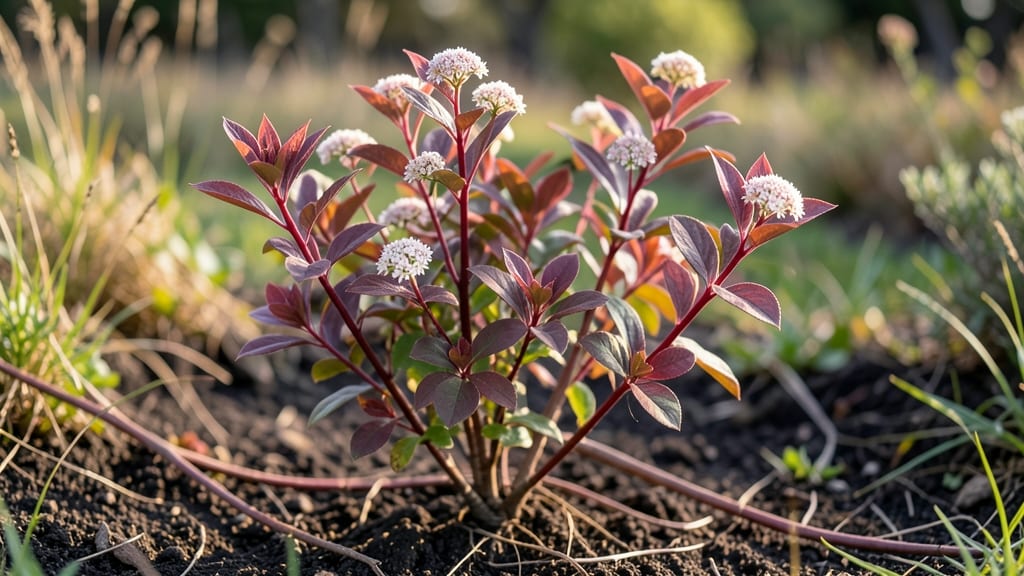
That bush with red leaves in spring transforms your garden into a living painting. 🌸 I planted a Japanese maple last year, and its fiery new leaves instantly became the focal point of my shady corner—bright enough to compete with summer blooms.
The secret? Pairing it with silver foliage (like lamb’s ear) makes the red pop even more. Plant it where you’ll see it daily—near patios or entryways—so you get that instant wow factor every morning. Just avoid full sun, which can scorch those delicate leaves.
Once established, these bushes need minimal fuss: water when soil dries, mulch to protect roots, and prune only to shape. The real magic is watching how they evolve—spring’s bold red fades to softer greens by summer, then turns golden amber in fall.
That’s four seasons of drama from one plant.
📚 In This Guide
- What you need
- Instructions
- Tips and common mistakes
- Wrapping up and next steps
What you need
- ● Red-leaved shrub: Choose from varieties like Cotoneaster franchetii, Euonymus alatus 'Compactus', or Cornus sericea 'Flaviramea'. Buy 1-3 mature plants (3-5 ft tall) or 5-10 young nursery plants (1-2 ft tall) for fuller coverage.
- ● Well-draining potting mix: 5-10 gallons (depending on pot size) of a blend like 60% peat moss, 30% perlite, and 10% compost for containers, or amend garden soil with 2-3 inches of compost for in-ground planting.
- ● Organic mulch: 2-3 inches of pine bark, shredded leaves, or straw to retain moisture and suppress weeds.
- ● Garden trowel or shovel (for digging holes or transplanting).
- ● Pruning shears (sharp, bypass-style for clean cuts).
- ● Gloves (heavy-duty for protection while handling soil/roots).
- ● Watering can or hose with a gentle spray nozzle (for even moisture distribution).
- ● Measuring tape or ruler (to ensure proper spacing—3-6 ft apart for mature shrubs).
- ○ Optional: Soil pH test kit (to check acidity; ideal range: 5.5-7.0 for most red-leaved shrubs).
- ● Slow-release fertilizer (e.g., 10-10-10 or 5-10-5, 1-2 lbs per plant).
- ● Plant stakes or cages (for support if needed, especially for taller varieties).
- ● Sunlight: Full sun to partial shade (6+ hours of sunlight daily for vibrant foliage).
- ● Hardiness zone: Check your zone (most red-leaved shrubs thrive in Zones 4-9).
- ● Water access: A nearby water source for consistent moisture (especially in the first 2-3 weeks after planting).
- ● Knowledge of pruning: Familiarize yourself with basic pruning techniques to shape the bush and encourage dense growth.
How to select and plant a striking spring red-leaved bush
Here’s how to choose and establish a bold, seasonal focal point that transforms your garden’s spring palette.
🌿 Step 1: Choose the Right Red-Leaved Shrub for Your Climate
Not all red-leaved bushes thrive year-round. For spring color, Cornus sericea (red-twig dogwood) or Viburnum bodnantense (Winter Wonder) deliver vibrant foliage and berries. Check your hardiness zone—most need zones 5-8. I always verify sunlight needs: full sun to partial shade for deep reds, while shade-tolerant varieties like Ilex crenata ‘Soft Touch’ (holly) hold color longer.
Look for nursery stock with emerging red leaves—this ensures true color performance. Avoid leggy plants; they’ve likely been overcrowded. A 3-gallon container size balances cost and establishment speed. Dig test holes to confirm drainage—no soggy roots means no washed-out color.
☀️ Step 2: Prepare the Planting Site for Optimal Color
Red foliage intensifies in well-draining, slightly acidic soil (pH 5.5-6.5). Amend heavy clay with 2 inches of compost and 1 inch of sand—this prevents nutrient runoff that dulls red hues. I always test soil moisture: damp but not wet at planting. For containers, use premium potting mix with 20% perlite to mimic loose, airy soil.
Space plants 6-8 feet apart for airflow and sunlight penetration. Mulch with 2 inches of shredded bark to retain moisture and suppress weeds—never mulch directly against stems. This keeps roots cool in summer, preserving that spring-fresh crimson longer.
🪴 Step 3: Plant and Water for Immediate Vibrancy
Dig a hole twice as wide as the root ball but no deeper. Loosen roots if circling—gentle pruning encourages outward growth. Place the plant so the top of the root ball sits 1 inch below soil level. Backfill with native soil mixed with 1 cup of bone meal (for phosphorus, which boosts red pigments). Water deeply until soil settles.
Water every 2-3 days for the first 2 weeks, keeping soil evenly moist but not soggy. You’ll see new leaves emerge within 10 days—if they’re pale, add a balanced 10-10-10 fertilizer at half-strength. Avoid overhead watering after planting; drip irrigation prevents fungal spots that dull foliage.
✂️ Step 4: Prune and Maintain for Year-Round Impact
Prune late winter (just before buds swell) to remove dead or crossing branches. Cut just above a outward-facing bud at a 45-degree angle—this ensures clean wounds and encourages bushier growth. For Cornus sericea, prune 1/3 of oldest stems annually to stimulate new red-twig growth.
Fertilize twice a year: early spring with 10-10-10 and mid-summer with 5-10-10 (low nitrogen prevents leafy overgrowth). Watch for aphids on new leaves—spray with neem oil if you see sticky residue. A light layer of mulch each fall keeps roots insulated, so color stays vivid through early winter.
🌱 Step 5: Extend the Season with Companion Plantings
Pair red-leaved bushes with silver foliage (like Artemisia ‘Powis Castle’) to make colors pop. For spring-to-fall interest, plant blue flowers (e.g., Salvia ‘May Night’) nearby—the contrast sharpens the red. In containers, combine red-leaved Heuchera with white variegated Plectranthus for a high-impact mini-garden.
Rotate plants quarter-turn weekly if in containers to prevent leaning. In ground beds, stake tall varieties (like Viburnum plicatum) early to avoid wind damage. The key to long-lasting red? Consistent moisture and pruning discipline—skip either, and you’ll lose that showstopping spring glow by summer.
Tips & tricks for showstopping red-leaved spring bushes
Between us, these small adjustments can mean the difference between a decent seasonal plant and one that steals the show every spring.
Nursery Stock Selection: When inspecting nursery plants, look beyond just the red leaves—check the stems. Healthy red-twig dogwood should have bright red stems all the way down, not just at the tips. I've learned this the hard way after planting bushes that only showed color on new growth. Also, avoid plants with more than 20% bare stems, as these won't recover well.
Soil Preparation Secret: The pH 5.5-6.5 range isn't just a number—it's where anthocyanins (the pigments that create red color) thrive. If your soil tests higher, mix in 1 pound of sulfur per 100 square feet 2-3 months before planting. For containers, use a mix of premium potting soil and orchid bark (50/50 ratio) to maintain that slightly acidic environment. This makes all the difference for maintaining vibrant color throughout the season.
Watering Wisdom: That "evenly moist but not soggy" advice in Step 3 is critical, especially in the first 10 days when roots establish. I use a simple test: stick your finger 2 inches into the soil—if it feels like a damp sponge, you're good. If it's bone dry, water immediately. Overwatering causes root rot, which dulls foliage color faster than anything else. For containers, check moisture daily during hot weather.
Pruning Precision: When pruning Cornus sericea in late winter, focus on removing stems that are thicker than a pencil—these are the oldest and won't produce vibrant new growth. The 1/3 annual pruning rule works best when you remove the thinnest stems first, which encourages thicker, more colorful growth. Always use clean, sharp pruners to prevent disease transmission through open wounds.
Pro Tips for Bush With Red Leaves In Spring
- Between us, these small adjustments can mean the difference between a decent seasonal plant and one that steals the show every spring.
- Nursery Stock Selection: When inspecting nursery plants, look beyond just the red leaves—check the stems.
- Soil Preparation Secret: The pH 5.5-6.5 range isn't just a number—it's where anthocyanins (the pigments that create red color) thrive.
Frequently asked questions
Got questions about growing or caring for a stunning bush with red leaves in spring? You’re not alone! Here are some of the most common queries—and expert answers—to help you nail that vibrant foliage every season.
When do red-leaved bushes typically bloom or turn color in spring?
Most red-leaved shrubs like Cotoneaster, Barberry, or Japanese Maple (dwarf varieties) start showing their fiery hues in late winter to early spring, often as new growth emerges. Some, like Cornus sericea (Red Osier Dogwood), may hold their red stems year-round but intensify in spring sunlight. Pro tip: Prune in late winter to encourage fresh, bright foliage!
How long does it take for a red-leaved bush to mature and show its best colors?
Patience is key! Most shrubs take 2–5 years to reach full color potential, depending on the species. For example:
- Cotoneaster: 3–4 years
- Barberry: 2–3 years
- Japanese Maple (dwarf): 3–5 years
Faster results? Choose container-grown plants—they’re already established and may show color sooner.
Why are my red leaves turning green or dull in spring?
Dull or green-tinged leaves often mean too much shade, overwatering, or poor soil nutrition. Try these fixes:
- Move to sunnier spot (6+ hours of light for most red-leaved shrubs).
- Drainage check: Ensure pots or soil aren’t soggy.
- Fertilize with acid-loving plant food (like for azaleas) in early spring.
If the issue persists, your shrub might need a rejuvenation prune to stimulate new growth.
What are some low-maintenance alternatives to high-fuss red-leaved bushes?
If you want bold red foliage without the upkeep, try these resilient picks:
- Heuchera (Coral Bells): Perennial, drought-tolerant, and thrives in shade.
- Physocarpus opulifolius ‘Little Devil’: Hardy, deer-resistant, and stays red all season.
- Ilex verticillata ‘Red Sprite’ (Winterberry): Compact, berries add winter interest.
Bonus: These plants often need less pruning and handle neglect better than fussy varieties.
Can I prune a red-leaved bush in spring, or should I wait?
Timing matters! For most shrubs:
- Late winter/early spring (before buds swell): Best for Cotoneaster or Barberry.
- Avoid pruning in fall: New growth may not harden off before winter.
- Pro tip: Shape lightly in spring, but never cut into old wood—it won’t regrow!
For Japanese Maple, prune after spring flush to avoid sap loss.
Wrapping up and next steps
Transforming your garden with a bush with red leaves in spring isn’t just about aesthetics—it’s about creating a vibrant, low-maintenance space that thrives year-round. Whether you choose Cotoneaster, Barberry, or Japanese Maple, these shrubs bring bold color, texture, and even seasonal interest to your outdoor oasis. 🌸
Ready to take the next step? Start by selecting the perfect variety for your climate and soil, then grab your gloves and get planting! Your garden will thank you with stunning foliage that turns heads—and maybe even inspires your neighbors to follow suit.