
Shrubs
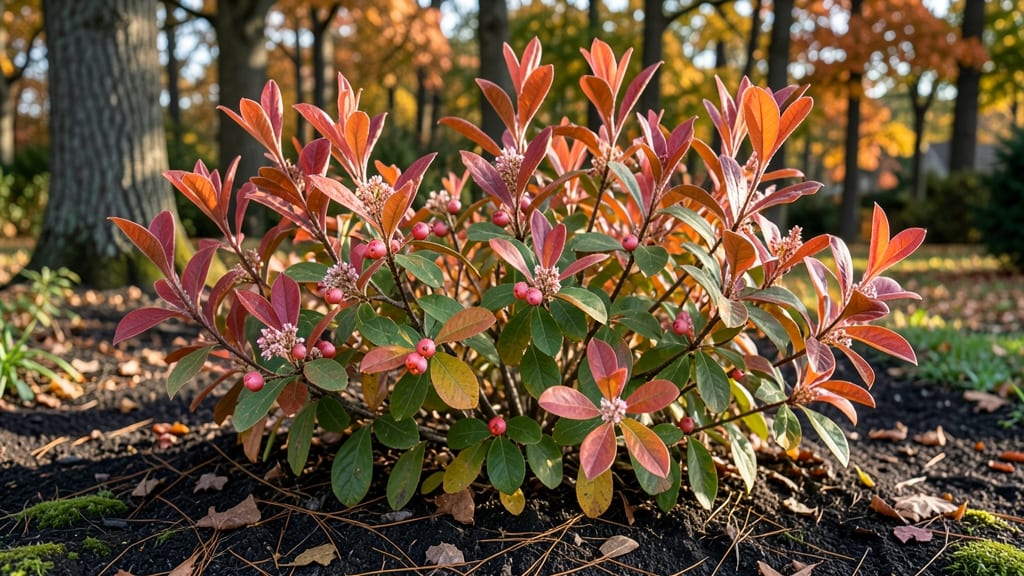
The burning bush thrives in sun or shade, but getting the balance right is the secret to its stunning fall colors 🌿.
Picture this: a vibrant red burning bush that fades to dull green because it’s either baking in too much sun or struggling in deep shade. The good news? This shrub is forgiving—it just needs the right conditions to shine.
Whether you’re working with a bright, sunny yard or a dappled shade spot, I’ll show you how to keep your burning bush happy and thriving year after year.
Most gardeners assume burning bush needs full sun, but the truth is, it’s surprisingly adaptable. In fact, too much direct afternoon sun can scorch its leaves, while too little light dulls its signature foliage.
The trick lies in understanding how much sun or shade your specific variety prefers and how to adjust care accordingly.
In this guide, you’ll discover the ideal light conditions for your burning bush, how to spot signs of light stress, and practical tips to maximize its growth—whether you’re planting in USDA Zone 6a or beyond. Let’s get your shrub looking its best!
 Best Window Placement
Burning bush sun requirements: how much light for optimal growth?
The burning bush (Euonymus alatus) thrives in full sun to partial shade, but getting the balance right unlocks its signature vibrant red foliage. This adaptable shrub handles 4-6 hours of direct sunlight daily in most climates, but its tolerance varies by season and location.
Understanding its light needs helps prevent leaf scorch or pale, weak growth—both signs of improper lighting.
In full sun (6+ hours/day), burning bush grows faster and develops brighter fall colors, but afternoon shade prevents heat stress in hot climates. Conversely, partial shade (3-4 hours/day) suits northern climates or urban areas with intense afternoon sun.
The key is observing how your plant responds to its environment—more on that later!
Photosynthesis efficiency in Euonymus alatus peaks with moderate light exposure. Too little light reduces chlorophyll production, while excessive sun can overheat leaves and increase water loss. Seasonal adjustments—like pruning for airflow in summer—help maintain balance. Let’s break down the ideal conditions in detail.
For optimal burning bush growth, aim for morning sun and afternoon shade in hot zones. This mimics natural light patterns and reduces leaf burn. In cooler climates (USDA Zones 4-6), full sun works well, but mulching helps retain moisture.
Always monitor your plant’s foliage color—healthy leaves stay deep green in summer and crimson in fall.
Seasonal light adjustments are critical. In summer, burning bush benefits from dappled shade (e.g., under tall trees) to avoid heat stress. In winter, when days shorten, ensure it gets at least 4 hours of sunlight to maintain vigor.
If your shrub is newly planted, protect it from intense afternoon sun for the first 6-8 weeks.
Watch for leaf scorch (brown edges) or yellowing leaves, both signs of light stress. Scorch indicates too much sun, while yellowing suggests insufficient light. Adjust placement gradually—move plants slowly to avoid shock.
For example, if your burning bush is in deep shade, relocate it inch by inch over weeks to partial shade.
Soil quality also affects light tolerance. Well-draining, slightly acidic soil (pH 6.0-7.0) helps burning bush handle full sun conditions. Amend heavy clay with compost or sand to improve drainage.
In shady spots, add organic matter to boost nutrient uptake. Regular pruning in late winter improves airflow and light penetration to inner branches.
Pro tip: Use a light meter (or smartphone app) to measure sunlight in your garden. Aim for 10,000-20,000 lux for partial shade and 30,000+ lux for full sun. If your burning bush is in a
Shade-tolerant burning bush care: can it survive low-light spots?
Many gardeners assume burning bush (Euonymus alatus) needs full sun to thrive—but this hardy shrub actually handles partial shade surprisingly well. While it prefers 4-6 hours of sunlight daily, it can adapt to low-light spots with the right care.
The key lies in understanding how shade affects its foliage color intensity and growth rate.
In deep shade (less than 3 hours of sun), your burning bush may grow slower and produce duller fall colors. However, with proper soil prep and pruning, you can still achieve a vibrant, healthy shrub even in challenging light conditions.
Let’s explore how to maximize its potential in shadier areas.
⚠️ callout warning ⚠️
While burning bush tolerates partial shade, deep, dense shade (like under tall trees) will stunt growth and fade foliage colors. If your spot gets less than 3 hours of filtered light, consider relocating or supplementing with artificial grow lights during winter months.
To help your burning bush thrive in partial shade, start with well-draining, slightly acidic soil (pH 6.0-7.0). Amend heavy clay soil with compost or peat moss to improve aeration.
Since shade reduces photosynthesis, your shrub will need more organic matter to fuel growth—think leaf mold or aged manure mixed into the top 12 inches of soil.
Pruning plays a crucial role in shade-grown burning bushes. Lightly prune in late winter to remove dead or crossing branches, but avoid heavy cuts that can stress the plant.
In shaded areas, focus on opening the canopy to allow more light penetration to inner branches. This encourages even foliage development and prevents leggy growth.
Pair your burning bush with companion plants that tolerate similar shade conditions. Try inkberry holly or dwarf fothergilla for a layered, low-maintenance border. These plants won’t compete for light while adding texture and seasonal interest.
Mulch with wood chips or pine straw to retain moisture and regulate soil temperature—critical in shadier, often cooler microclimates.
Monitor your burning bush’s response to shade by checking for new growth patterns and leaf color each season. If leaves appear lighter green or growth slows significantly, consider gradually increasing light exposure over 2-3 years.
With patience and these adjustments, your shade-loving burning bush can still deliver stunning fall color and year-round structure.