
Plants
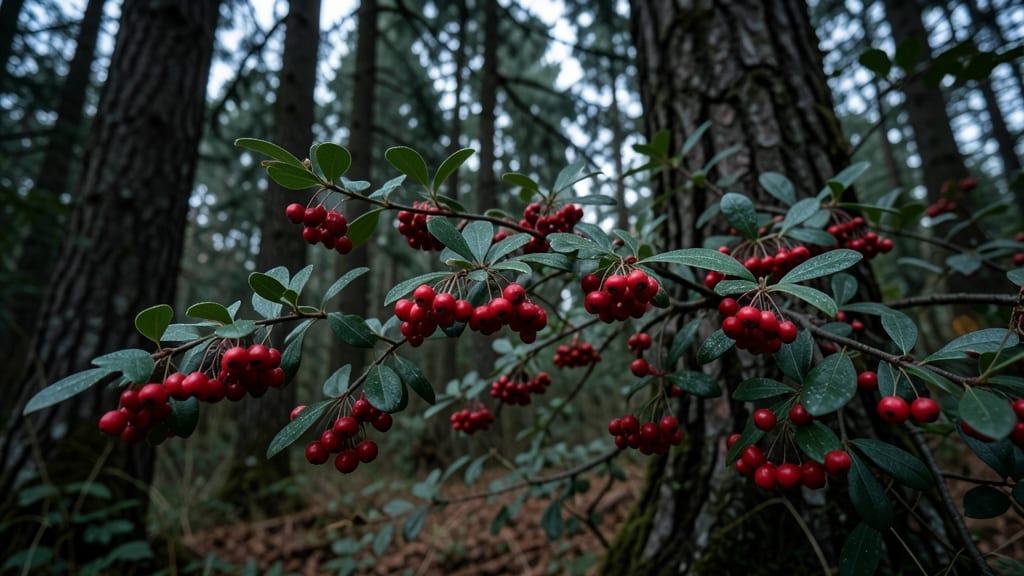
Struggling to find bushes that thrive in shady spots? These 10 shade-tolerant bushes bring color, texture, and life to your garden’s darkest corners—without requiring direct sunlight.
Dwarf Fothergilla for Fragrant Spring Blooms
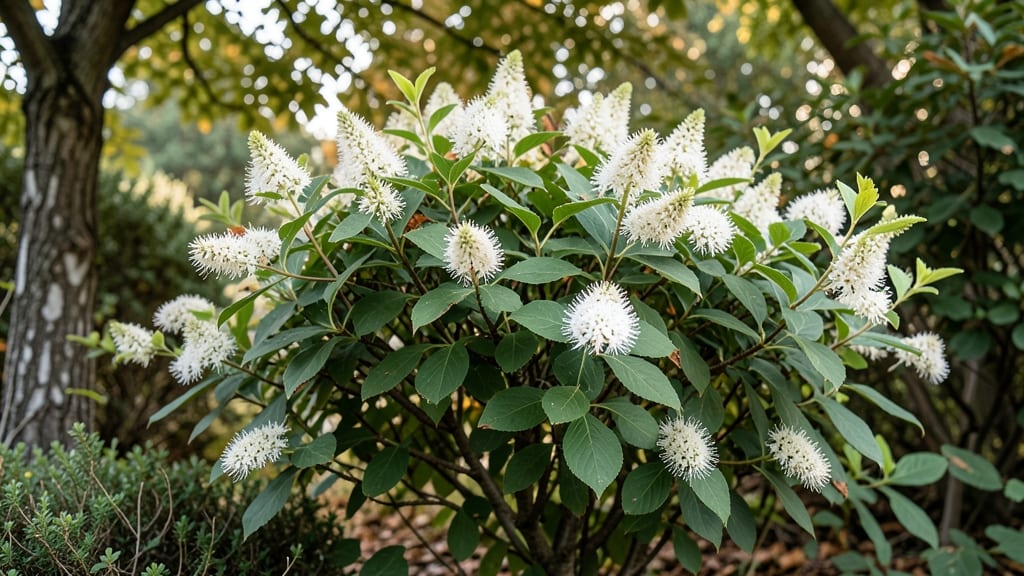
Looking for a fragrant yet compact shrub that brings life to your shady garden without overwhelming it? Dwarf fothergilla (Fothergilla gardenii) delivers stunning white bottlebrush flowers in spring and fiery fall foliage—all while staying under 3 feet tall.
This deciduous shrub thrives in partial shade (3–6 hours of sun) and tolerates a range of soil types, making it perfect for small spaces, woodland gardens, or even containers. The highly fragrant blooms attract pollinators, while its golden-orange fall leaves add seasonal drama. Prune lightly after flowering to maintain shape and encourage fuller growth.
Urban gardeners and beginners will love its low-maintenance nature—just keep the soil moist during its first year. A true multi-season star, it’s the ideal focal point for shady corners. 🌻
Japanese Maple Bush for Ornamental Foliage
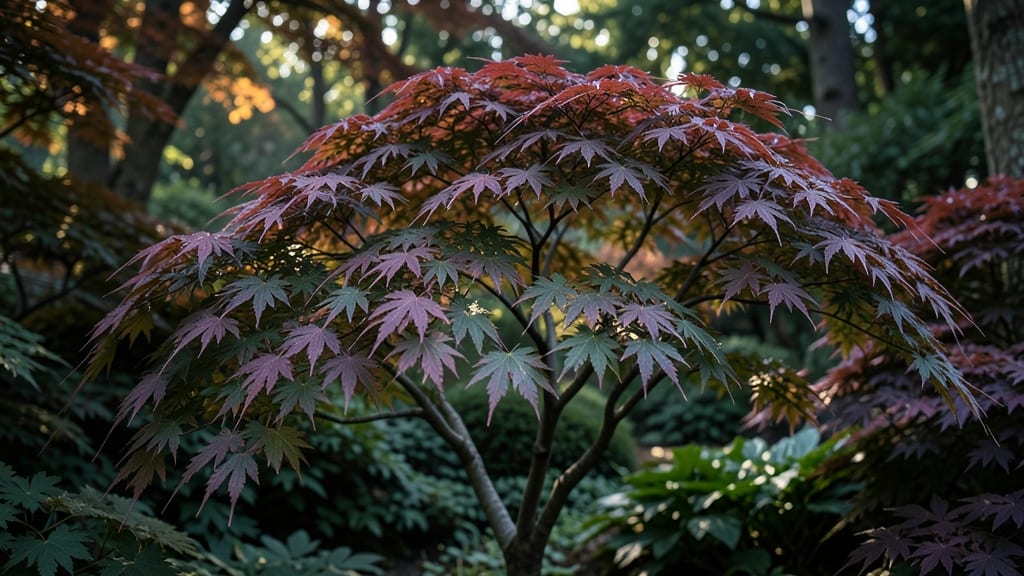
Transform your shady garden corner into a living art gallery with a Japanese maple bush, nature's masterpiece for year-round visual drama. Unlike many shade plants that fade in winter, these bushes deliver intricate, lobed leaves in vibrant red, purple, or green—even when other plants sleep through the cold months.
Thriving in deep shade where most bushes struggle, Japanese maple bushes like Acer palmatum varieties grow 6-10 feet tall with a graceful, rounded form. Their foliage transforms through seasons—bright new growth in spring, deep colors in summer, and fiery hues in fall. For best results, plant in moist, well-draining soil and protect young plants from harsh winds that can damage delicate branches.
This bush is ideal for gardeners who want low-maintenance elegance without sacrificing color. Place it as a focal point under trees or along shady pathways where its textured leaves will cast beautiful shadows. Perfect for both woodland gardens and urban courtyards! 🌷
Inkberry Holly for Evergreen Privacy
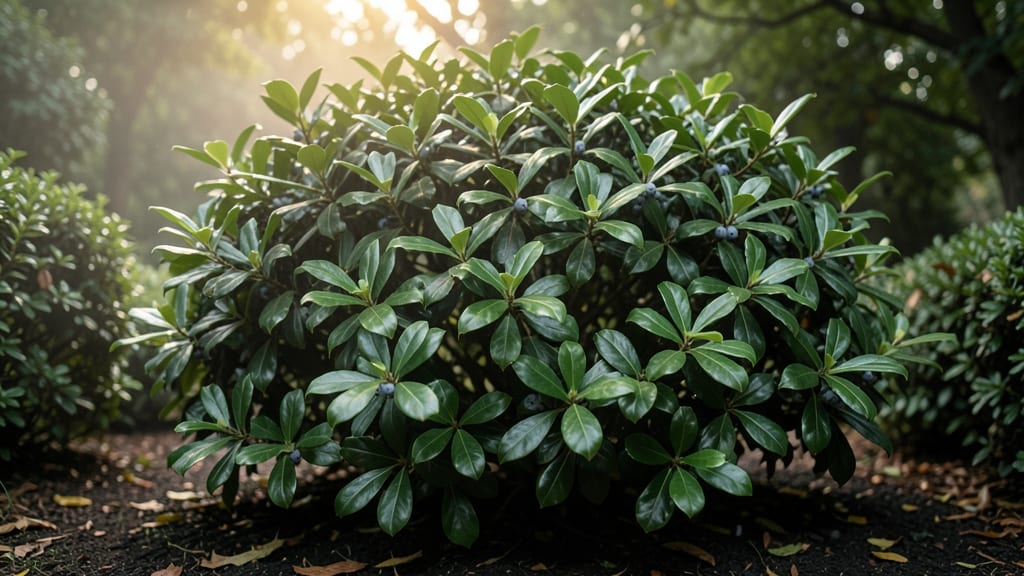
Tired of struggling with finicky shrubs that wilt in shady spots? Inkberry holly (Ilex glabra) is your go-to solution—it thrives in full to partial shade while delivering year-round structure and privacy. Unlike many evergreens, it’s disease-resistant, meaning fewer pesticides and more time enjoying your garden instead of fighting pests.
This native North American shrub grows 6–12 feet tall with a rounded habit, making it perfect for hedges, foundation plantings, or erosion control along slopes. Its leathery, glossy dark green leaves stay vibrant even in low-light conditions, while subtle blue-black berries (female plants only) add winter interest for birds. Prune lightly in late winter to maintain shape—no heavy-handed trimming required.
Urban gardeners and busy homeowners will love its low-maintenance nature, while wildlife enthusiasts appreciate its role in supporting local birds. Plant it in moist, well-drained soil and watch it create a lush, evergreen backdrop with minimal effort. 🌿
Hydrangea Macrophylla for Bold Summer Flowers
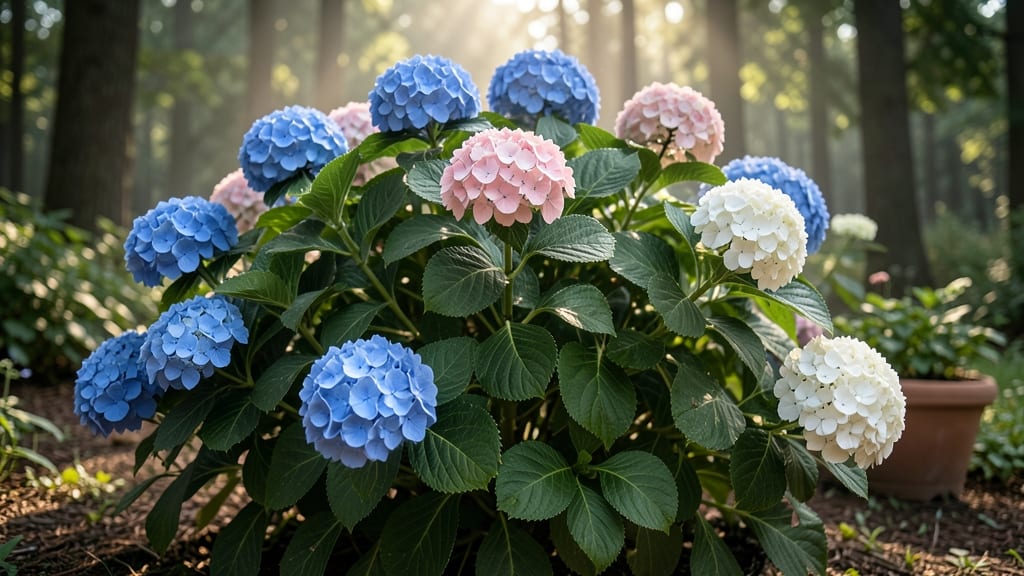
Looking for a shade-tolerant bush that delivers dramatic summer color without fuss? Hydrangea macrophylla is your answer—this versatile shrub thrives in partial shade while producing football-sized blooms in blue, pink, or white, depending on soil pH.
Perfect for containers or garden borders, this hydrangea handles morning sun and afternoon shade beautifully, with minimal pruning needed. To adjust bloom color, amend soil with lime for blue or sulfur for pink—a fun experiment for any gardener! Water consistently to keep blooms lush, and watch them change hues as the season progresses.
Urban gardeners and small-space enthusiasts will love this low-maintenance star—it’s the showstopper for shady patios, entryways, or woodland garden edges. 🌻
Boxwood Green Velvet for Structured Privacy
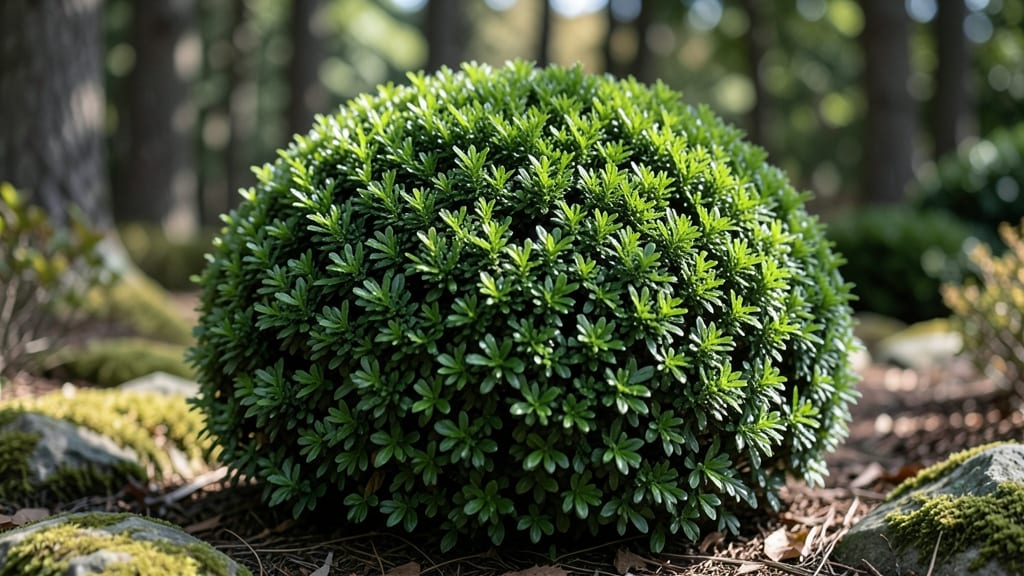
Looking for a low-maintenance evergreen that delivers year-round structure without demanding full sun? Boxwood Green Velvet is the answer—its dense, velvety foliage thrives in partial to full shade, making it perfect for hedges, topiary, or formal garden designs.
This compact cultivar grows just 2–3 feet tall and wide, ideal for small spaces or tight borders. Its glossy, dark green leaves stay vibrant even in low-light conditions, and it handles pruning beautifully for clean, geometric shapes. Unlike fussy shrubs, Green Velvet boxwood tolerates urban pollution and requires minimal water once established.
Perfect for gardeners who love classic elegance with minimal fuss, this boxwood brings timeless appeal to shady corners while requiring less attention than many flowering shrubs. 🌿
Pieris Japonica for Early Spring Color
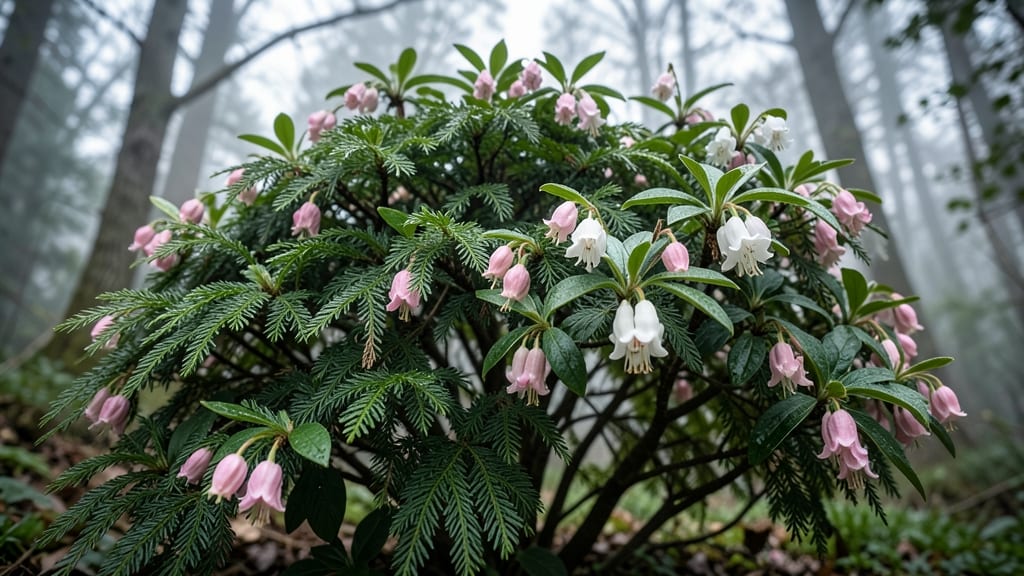
When your garden needs a burst of color before summer even arrives, Pieris Japonica delivers with its early spring blooms and bold foliage. This evergreen shrub is a woodland garden favorite, producing clusters of pink or white bell-shaped flowers that appear before many other spring bloomers, often as early as late winter or early spring.
What makes Pieris Japonica truly special is its two-season show: after flowering, the new leaves emerge in a striking red hue before maturing to deep green. It thrives in partial to full shade, making it perfect for understory planting or shaded borders. For best results, plant in well-draining, acidic soil and water consistently during the first year to establish strong roots.
This shrub is ideal for gardeners seeking low-maintenance beauty with year-round interest—its glossy foliage provides evergreen structure even when not in bloom. Perfect for woodland gardens, foundation plantings, or as a focal point in shady areas. 🌷
Azalea for Season-Long Blooms
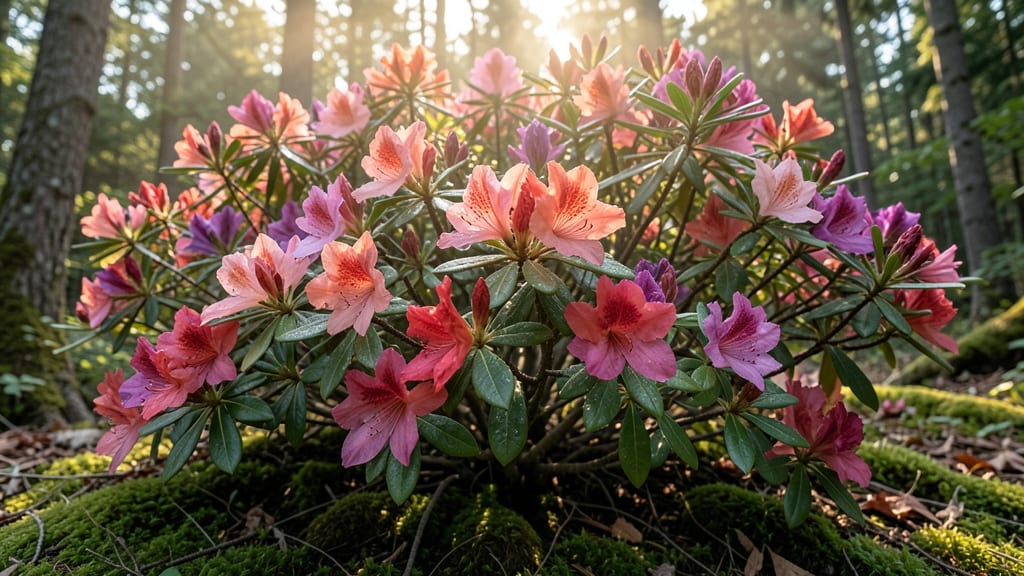
Want to transform your shady garden corner into a vibrant spring spectacle without harsh sunlight? Azaleas are the answer—these flowering shrubs burst into clusters of pink, red, or purple blooms that last for weeks, even in partial shade.
Native to acidic woodlands, azaleas thrive in partial shade (3-6 hours of sunlight) and well-draining, acidic soil (pH 4.5-6.0). Choose from evergreen varieties for year-round foliage or deciduous types for seasonal color changes. Their compact growth (3-6 feet tall) makes them perfect for borders, mass plantings, or container gardens.
Gardeners with acidic soil or woodland gardens will love azaleas—they’re low-maintenance once established and attract pollinators. For maximum blooms, prune after flowering and mulch to retain moisture. 💚
Dwarf Ninebark for Textured Foliage
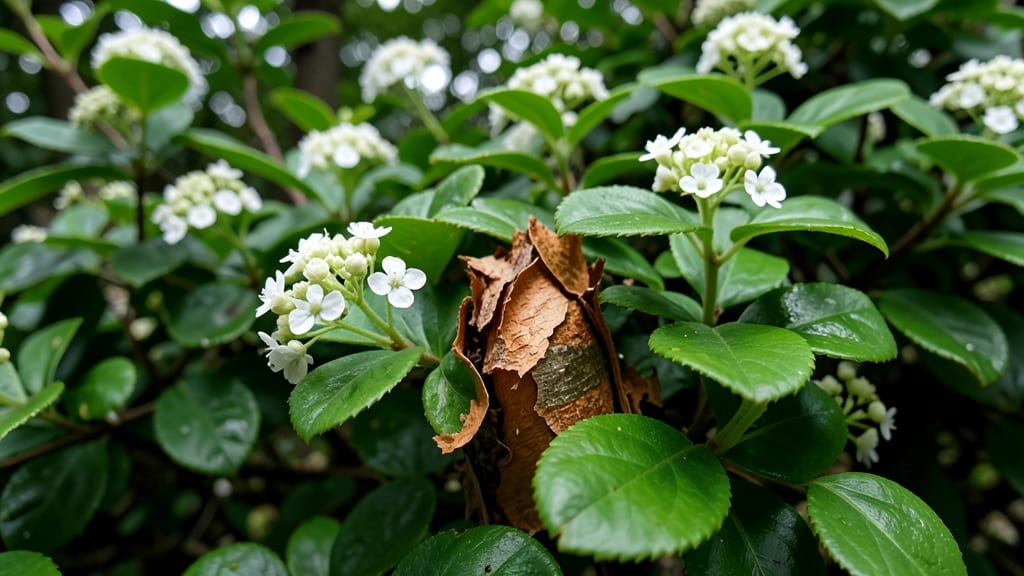
Tired of shade gardens that feel dull and one-dimensional? Dwarf ninebark (Physocarpus opulifolius 'Little Devil') transforms shady corners with its exfoliating cinnamon bark, rounded green leaves, and delicate white summer flowers—all while staying compact enough for small spaces.
This versatile shrub thrives in partial shade (3–6 hours of sunlight) and tolerates a wide range of soil types, making it low-maintenance for busy gardeners. Prune lightly after flowering to maintain its rounded shape, and watch as its textured foliage adds depth to borders or ground covers. Deer and rabbit-resistant, it’s a hardy choice for urban gardens or woodland edges.
Perfect for beginners or those with limited space, dwarf ninebark offers year-round interest—from spring blooms to winter bark—without the fuss of high-maintenance plants. 🌿
Oakleaf Hydrangea for Seasonal Interest
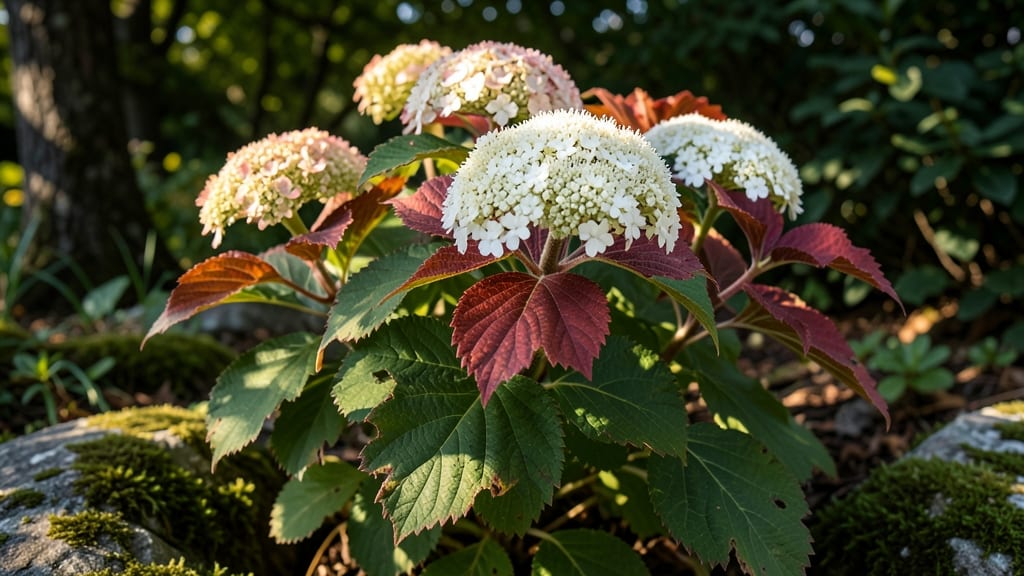
Tired of shade bushes that offer just one season of interest? The oakleaf hydrangea (Hydrangea quercifolia) delivers a three-season show—from its oak-shaped leaves in spring to white lacecap blooms in summer and fiery red foliage in fall—all while thriving in partial to full shade. This native beauty grows 6-8 feet tall, making it perfect for woodland gardens, foundation plantings, or as a striking focal point.
Unlike other hydrangeas, oakleaf varieties tolerate moist, well-drained soil and even brief periods of drought once established. Prune lightly in late winter to remove dead wood and shape the plant, but avoid heavy pruning—this shrub rewards patience with bold seasonal transformations. Its fragrant flowers add a bonus sensory experience, attracting pollinators while keeping your garden lively.
This is the ideal choice for gardeners who want low-maintenance charm without sacrificing drama. Urban gardeners with small spaces can opt for dwarf varieties, while larger landscapes benefit from its natural, cottage-garden aesthetic. 🌻
Coralberry for Wildlife-Friendly Berries

If you're looking to turn your shady garden corner into a bird magnet, coralberry (Symphoricarpos orbiculatus) is your secret weapon. This underrated native shrub thrives in deep shade while producing clusters of bright red berries that persist through winter, offering food for birds when other plants have long since faded.
Coralberry grows 3-5 feet tall with an airy, rounded shape that fits naturally into woodland gardens or naturalized areas. It handles poor, rocky soil and requires minimal pruning—just remove dead stems in early spring. The berries are edible (though bland for humans), making this a true wildlife-friendly choice that supports local ecosystems.
Perfect for gardeners who want low-maintenance beauty without sacrificing ecological benefits, coralberry is especially ideal for those with wooded properties or urban gardens with limited sun. 🌟